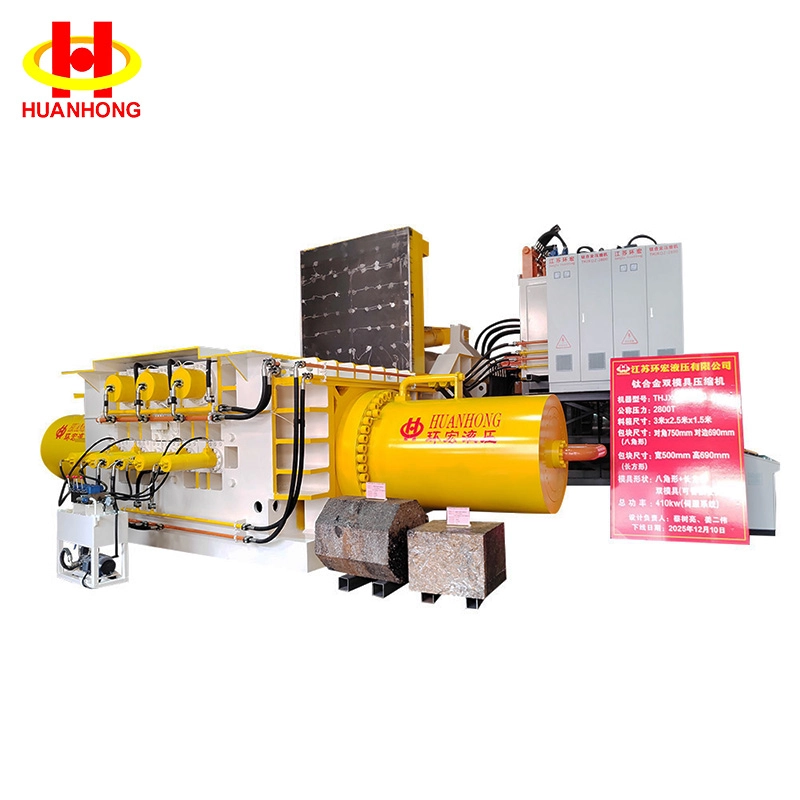
Choosing the right scrap metal baler from so many options can feel overwhelming. A bad choice leads to costly problems. How can you be sure you pick the best machine for your specific work? This guide gives you a clear step-by-step plan covering what you need, the types of machines, and how to check their quality. By the end, you will have a simple checklist to help you buy a metal baler that fits your budget, space, and goals. Think about the money side: loose material takes 10 truckloads per 100 tons, but baled material only takes 3 truckloads per 100 tons. That shows big savings on transport. Many facilities find these savings alone cover the machine's cost within 18 to 24 months. One mid-size recycling plant spent $80,000 on a horizontal unit and got its full money back in two years. This solution changes how your operation works.
Key Takeaways
Pick a baler that fits how much scrap you handle each day and what kind of material it is.
Before you buy, check how much space you have, what power is available, and what size bales you need.
Automatic balers are good for places that handle a lot of material; vertical balers work well for smaller businesses.
Check the frame, hydraulics, and noise levels to see how well the machine is built.
Think about the full price, the warranty, and the help you get, so you get good value over time.
How to Match a Scrap Metal Baler to Your Needs
Identifying Your Scrap Material and Daily Volume
Start by listing the metals you handle. Steel, aluminum, and copper act differently under pressure. Steel is hard to squeeze. Aluminum compresses easily but bounces back. Copper needs high force to make tight bales. What you crush decides which machine works best.
Next, measure your daily output. Count how many tons of scrap you process each day. This number tells you how much automation you need. The table below shows how volume guides your choice:
Daily Waste Volume | Typical Site | Recommended Type | Why |
Low | Retail store, small warehouse | Vertical hydraulic baler | Lower cost, small space, easy to use |
Medium | Packaging plant, recycling station | Semi-automatic horizontal baler | Better speed while keeping costs low |
High | Recycling center, large distribution center | Automatic baler machine | Less manual work, faster output, feeds itself |
A low-volume site can use a vertical metal baler. You load it by hand. You unload it by hand. Each cycle takes 60 to 90 seconds. That speed works for a small shop.
A high-volume yard needs something different. You want a horizontal baler with automatic feeding. Cycle times drop to 30 to 60 seconds. Your workers can do other jobs. This setup cuts labor costs and boosts output.
Huanhong Hydraulic makes machines for all volume levels. Their Y81CT-160 model fits small operations. Their Y81T-250 model has a conveyor and robotic arm for full automation. You match the machine to your daily tonnage.
Defining Your Space, Power, and Bale Size Requirements
Your workshop layout decides which baler fits. Measure your floor space before you buy. A horizontal baler needs at least 50 square meters. That space lets people move around safely. You also need ceiling height. Plan for at least 3 meters. Machines that make 800 kg bales need 3.2 meters of clearance.
Minimum floor space: 50 square meters for a horizontal baler
Ceiling height: at least 3 meters
Height for 800 kg bales: 3.2 meters
Conveyor space: plan separately from the baler footprint
Power supply also matters. Check your available voltage and phase. Large machines draw a lot of current. You may need an electrician to upgrade your service. Add that cost to your budget.
Bale size affects how you ship. Standard bales fit standard truck beds. Custom sizes may lower your shipping costs. Huanhong Hydraulic offers custom bale sizes. You pick the dimensions that work for your shipping.
Your space and power limits narrow the choices. A small workshop cannot hold a huge automatic baler. A small vertical unit might not handle your volume. Balance these factors carefully. The right scrap metal baler fits your building and your electrical system. This machine becomes part of your daily work. A custom scrap metal recycling solution solves your unique problems. You avoid costly changes later. You also prevent downtime from power failures or space shortages. This planning saves money and headache. Your recycling operation runs smoothly when the machine matches your facility.
Comparing Metal Baler Types for Your Operation
Once you know what metal you have and how much you process, you can look at different machine styles. Each type has a different job. Your choice will change the cost, how tight the bales are, and your daily work. Knowing these differences helps you not spend too much or get a machine that is too weak.
Automatic Balers for High-Volume Processing
Automatic balers handle the hardest jobs. These machines run all the time with very little human help. You put scrap on a conveyor, and the machine feeds itself. A robotic arm or an automatic ram pushes the material into the compression chamber. Each cycle takes 30 to 60 seconds. Your workers do other tasks instead of standing by the loading hopper.
The Huanhong Y81T-250 model shows how this works. This 250-ton side-push hydraulic metal baler has a feeding conveyor belt and a robotic arm. You get fully automated work from start to finish. The machine crushes steel, aluminum, and copper into dense, even bales. Bale density reaches levels that fill trucks as much as possible. You ship more metal per load and cut transport costs a lot.
Horizontal balers are the most common in this group. They give the highest output of all types. A horizontal design lets material flow straight through the machine. The ram pushes sideways into a continuous chamber. You can easily process 10 to 30 tons per day. These machines work well for recycling centers and large scrap yards.
Channel balers also fit high-volume work. They use a pre-press chamber that shapes material before final compression. This two-step process makes very dense bales. Channel balers handle mixed scrap well. You can feed them different metals without changing settings. The trade-off is higher cost and more complex upkeep.
For high output, you need automation. Loading by hand slows everything down. An automatic metal baler keeps production steady. You also cut labor costs. One operator can watch over several machines. This efficiency makes the investment worth it for busy facilities.
Hopper and Lid Balers for Versatility and Budget
Smaller operations need a different approach. Hopper and lid balers give you flexibility without the high price. These vertical machines take up less floor space. You load scrap from the top into a hopper or through a lid opening. The ram pushes material downward into a bale. You take the finished bale out from the front or side.
The Huanhong Y81CT-160 model fits this group perfectly. This 160-ton compact baler handles smaller-scale scrap metal processing. You get reliable crushing without needing a big workshop. The machine works well for auto repair shops, small fabrication plants, and community recycling centers. You can process 2 to 5 tons daily with steady results.
Vertical balers cost less to buy. They also need less setup work. You plug them into standard power outlets. No special foundation or conveyor setup is needed. This simplicity lowers your total investment. For many businesses, a vertical unit gives the best return on money.
Versatility matters with these machines. You can bale different materials all day. Process steel scrap in the morning, then switch to aluminum cans. The machine handles both without changes. This flexibility works for operations with mixed input streams. You also get adjustable bale sizes. You can make smaller bales for local transport or bigger ones for long-distance shipping.
Ease of use stands out with hopper and lid balers. Your staff learns the controls quickly. Training takes hours, not days. Safety features protect operators during loading and unloading. These machines also need less upkeep than horizontal units. Fewer moving parts mean fewer breakdowns. Your recycling operation stays productive with very little downtime.
The choice between automatic and manual depends on your goals. High-volume yards need automation. Smaller operations do better with versatile vertical machines. Match the baler type to your actual workload. This decision decides your long-term success. The right equipment pays for itself through efficiency and lower transport costs.
What to Check Before You Buy a Metal Baler
Inspecting Build Quality and Hydraulic Components
The frame of a metal baler handles huge pressure every cycle. Check the welding quality before you decide. Look for AWS or ISO approved welding stations. Ask the maker for random X-ray inspection reports on weld samples. Frame steel should be at least 12mm thick. Bring a caliper to the factory and measure it yourself. Also ask for mill test certificates that match batch codes on the steel. A quality system like ISO 9001:2015 with valid CNAS approval shows the factory follows steady steps.
The hydraulic system is the machine's core. Start with the oil tank. Clean oil looks clear, not milky or dark. Milky oil means water got in. Dark brown or black oil means overheating or old age. Metal bits in the oil show internal wear. These signs point to serious issues.
Check hoses and seals closely. Look for cracks, bulges, or wet spots along the hose, especially near crimps and bends. Run a full cycle and watch for new fluid at connection points. A loose fitting may just need tightening, but if the leak stays, damaged O-rings are likely the cause. Check the cylinder rod seal for oil leaking from the rod end during operation.
Listen to the pump. Too much noise, whining, or grinding sounds show internal wear. Cavitation sounds like rattling or chattering from the pump. If you hear pressure relief valve chatter that was not there before, check it right away. Check fluid level, filter condition, and suction line health. Fluid temperature above 180°F during operation means cooling problems or too much pump wear.
Noise levels also show build quality. A well-made hydraulic baler runs at 60–65 dB during compression, like normal conversation. Idle operation should stay around 45–50 dB. If a machine runs louder than 80 dB, workers will need hearing protection. That adds ongoing costs to your work.
Contamination Indicator | Detection Method |
Particles | Check oil purity level (ISO 4406 18/16/13 or 17/15/12) |
Water content | Look for milky appearance in oil samples |
Overall condition | Track cycle count and performance indicators |
Regular preventive maintenance works like a blood test for your baler. It shows hidden issues before they hurt performance.
Evaluating After-Sales Support and Total Cost of Ownership
The purchase price of a metal baler tells only part of the story. You must figure out the total cost of ownership over the machine's life. This includes maintenance, spare parts, energy use, and downtime.
Ask about the warranty terms. A solid warranty covers major parts like the pump, cylinder, and frame. Find out how long the warranty lasts and what it does not cover. Also ask about spare parts availability. You need to know if parts ship from a local warehouse or from overseas. Long shipping times mean longer downtime when something breaks.
Technical support matters just as much. Will the maker help you fix problems over the phone? Do they offer installation and training services? A quick support team saves you hours of frustration. Huanhong Hydraulic values integrity and service. Their team helps customers from installation through daily operation.
Think about the energy efficiency of the machine. An energy-saving design lowers your monthly power bills. Over several years, these savings add up a lot. This efficiency directly helps cut costs across your work.
Cost Factor | What to Evaluate |
Maintenance | Frequency of filter changes, oil replacement, seal replacement |
Spare parts | Availability, shipping time, unit cost |
Energy use | Power draw per cycle, idle consumption |
Downtime | Expected repair time, technician response time |
A cheaper machine with poor support will cost you more in the long run. Every hour of downtime stops your output. Every repair bill adds to your costs. The right choice balances upfront price with long-term reliability.
Before you buy a metal baler, visit the factory if you can. Watch the machine run. Ask to see the maintenance records of similar units in use. Talk to existing customers about their experience. This research protects your investment.
The best automatic metal baler for your work combines strong build, clean hydraulics, and steady support. An automatic metal baler with these qualities pays for itself through steady performance. Your scrap processing becomes smoother. Your recycling operation runs without constant stops. Choose equipment that will serve you for decades, not just for a season. The right machine becomes a partner in your business growth.
You now have a clear path forward. Assess your scrap types and daily output first. Then match those needs to the right baler type. Finally, inspect build quality and supplier support before you commit.
The right metal baler is more than a purchase. It is an investment in your operation's efficiency and environmental responsibility. Use these criteria as your checklist when you talk with manufacturers. This approach protects your budget and prevents costly mistakes.
Every choice you make affects your long-term costs and productivity. A quality machine reduces waste, lowers transport expenses, and keeps your recycling operation running smoothly. The right solution delivers real returns through boosting efficiency.
Contact Huanhong Hydraulic today for a personalized consultation. Request a quote based on your specific requirements. Your ideal scrap metal baler awaits.
FAQ
How often should I service my metal baler?
Check the hydraulic oil level every week. Swap out filters after every 500 hours of use. Look over hoses and seals once a month for cracks or leaks. Book a full professional check-up every six months. Regular upkeep stops expensive breakdowns and helps your machine last longer.
Can one baler handle different types of scrap metal?
Yes, most balers can crush steel, aluminum, and copper. You might need to change pressure settings for each material. Steel needs more force than aluminum. Copper requires high pressure to make tight bales. Look at your machine's specs to make sure it can handle your mix of metals.
What size baler do I need for my operation?
Figure out how many tons you process each day. Small shops that handle under 5 tons daily do fine with vertical balers. Medium operations processing 5-10 tons should pick semi-automatic horizontal units. Large yards that handle over 10 tons daily should get an automatic metal baler with a conveyor feed.
How much does it cost to run a baler monthly?
Monthly costs cover electricity, hydraulic oil, filters, and routine parts. Energy-saving designs cut power use a lot. Plan to spend about 2-3% of the machine's price each year on maintenance. Remember to count labor savings from automation when you figure out your real return on investment.
Does a baler help with recycling compliance?
Yes, compact bales meet many recycling facility rules. Uniform bale sizes make transport and storage easier. Properly baled scrap gets better prices from mills. Your recycling operation becomes more efficient and profitable with the right equipment.


