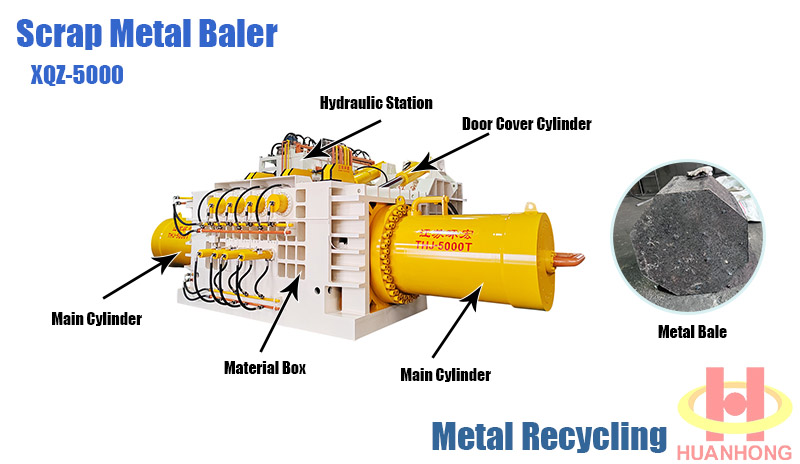
Should you buy new or used scrap metal recycling equipment? This choice makes you compare the first cost with long-term reliability, warranty, technology, and availability. New machines have the newest automation and full support from the maker, but they cost more money. Used machines cost less and arrive faster, but they have risks like hidden wear and little help from the seller. This article compares both choices on cost, reliability, warranty, technology, delivery time, and resale value. You will get a clear way to match your budget, work needs, and growth plans with the right recycling choice. This choice affects how well you work and how much profit you make for years.
Key Takeaways
New equipment costs 30 to 50 percent more at first. It has lower running costs and a complete warranty.
Buying used equipment saves money at first. But it can hide repair costs and come with higher loan interest rates.
New machines last 10 to 15 years and rarely break down. Used machines have unknown life left and hidden wear.
New equipment comes with factory training and easy access to parts. The warranty covers parts for 1 to 3 years.
Used equipment is sold as-is, with little help offered. It is hard to find parts for older models.
New technology increases how much work gets done each hour. Automation and energy savings cut costs for labor and electricity.
Used equipment arrives in days. New equipment takes 4 to 16 weeks to make.
New equipment loses 20 to 30 percent of its value in the first year. After that, its resale value levels off. Used equipment keeps its value better if it is well cared for.
Cost of Scrap Metal Recycling Equipment
Money is the main thing in the new vs. used choice. The price you see today does not tell the whole story. You also need to think about financing terms, running costs, and possible repair bills. These things together decide the real cost of your equipment choice.
Initial Purchase Price and Budget
New equipment requires higher capital outlay
New scrap metal recycling equipment costs more upfront than similar used models. A new baler from HUANHONG, for example, costs more upfront than a used machine with the same capacity. But HUANHONG offers good prices on its new balers, shears, and briquetting machines. This pricing makes new equipment a good choice even for buyers on a tight budget. The higher upfront cost gets you the newest technology, a full warranty, and a machine with no wear.
Used equipment frees up cash for other investments
Used equipment needs less money at the start. That lower price frees up cash for other parts of your business, such as growing your facility, buying a shredding line, or building stock. For startups and small recycling businesses, this lower cost can mean the difference between starting now or waiting another year. The trade-off is that you get a machine with unknown maintenance history and possibly less time left to run. You must weigh that risk against the money you save right away.
Financing and Leasing Options
Better terms for new machinery
Lenders see new equipment as a safer investment. Interest rates for recycling equipment loans usually range from 5 to 24 percent each year. Well-qualified borrowers get rates in the 6 to 12 percent range. SBA equipment loans offer even lower rates, often 6 to 8 percent. Think about a few examples: a vertical baler at $25,000 financed over 36 months at 9 percent, an industrial shredder at $75,000 over 48 months at 8 percent, or a horizontal baler at $150,000 over 60 months at 7.5 percent. These rates show the lower risk that lenders see in new machinery.
Higher interest rates for used equipment
Used equipment loans have higher interest rates. Lenders see used machines as riskier because of unknown wear and shorter remaining life. The cost of shredding, for example, is harder to predict on a used shredder with worn parts. You may pay more in interest on a used machine loan. That higher rate raises your total cost over the whole loan term.
Total Cost of Ownership Over Time
Lower operating costs with new equipment
New equipment has lower running costs from day one. Energy-saving hydraulic systems use less power per ton of scrap processed. Modern automation cuts down on labor needs. Parts are easy to find, and breakdowns stay low during the warranty period. These running cost factors make new equipment more predictable for budgeting over the long term. You can plan expenses with confidence.
Potential hidden repair costs with used equipment
Used equipment has hidden risks. A machine that looks good on the outside may have worn seals, tired pumps, or cracked frames. The cost of a big repair can wipe out the savings you got from the lower purchase price. For example, replacing a hydraulic pump on a used baler may cost thousands of dollars. The downtime also lowers your scrap processing capacity. Always ask for maintenance records and an independent inspection before buying used equipment. That inspection cost is small compared to the risk of a surprise breakdown.
Reliability in Scrap Metal Processing
Reliability decides if your work runs smooth or gets stopped all the time. New equipment works as expected because you know its full history. Used equipment depends on how the last owner took care of it. This unknown factor affects your running time, repair budget, and ability to meet customer deadlines.
Expected Lifespan and Wear
New machines last 10-15 years with proper care
A good scrap metal baler, when you keep up with regular maintenance, lasts 10 to 15 years or more. That number depends on daily cleaning of debris, checking hydraulic fluid, inspecting wear plates, and yearly professional checks of hydraulics, electrics, and controls. The machine's life relies on these steps, not just how it was built. HUANHONG builds its new balers and shears with strong parts and checks each one carefully before shipping. You start fresh with a machine built to work for over a decade.
The industry measures a baler's life in running hours, not years. A machine that runs one shift ages differently than one that runs many shifts. Track your actual hours to plan maintenance and replacement well.
Used equipment's remaining life varies a lot
Used equipment is a guessing game. A machine that ran one shift daily for five years may have plenty of life left. Another that ran three shifts under heavy loads may be near the end. You cannot know the remaining life without detailed maintenance records and an expert check. The previous owner's care habits directly decide how many useful years remain. Some used machines work well for another decade; others fail within months. This wide range makes it hard to budget for replacement and creates uncertainty in your scrap metal processing plans.
Risk of Breakdowns
New equipment has low failure risk in early years
New machinery has a low risk of breaking down in its first years. Fresh seals, new pumps, and unworn cylinders work as designed. The warranty period usually covers any factory defects that show up early. You can plan your work with confidence, knowing your equipment will run when you need it. This predictability matters when you have contracts to fill and customers waiting for processed material.
Used equipment may have hidden problems
Used equipment hides its problems well. A machine that looks fine on the outside may have worn internal seals, a tired frame, or a hydraulic pump about to fail. These hidden problems show up at the worst time, often during busy production. The resulting downtime stops your whole operation. You lose not only repair costs but also the income from halted processing. An independent inspection before buying helps find some problems, but not all wear shows up during a short check.
Maintenance Costs and Parts Availability
Parts for new equipment are easy to get
New equipment has an active supply chain. Manufacturers stock replacement parts for current models, so you get parts fast when needed. Hydraulic scrap metal shears lower maintenance costs through design advantages. Smooth hydraulic action reduces wear on blades, cylinders, seals, and pumps. Longer times between blade sharpening, fluid changes, and part inspections lower your total cost of ownership. Easy-access parts make servicing simpler and reduce downtime.
Used equipment may need hard-to-find parts
Used equipment often requires hunting for old parts. Manufacturers stop making parts for older models, so you have to search secondary markets or order custom parts. This search extends downtime and raises costs. Think about these maintenance facts for shears:
Replacing a cylinder is a major cost, with extra costs if carrier decontamination is needed.
Cutting blades are expensive items that operators often use past their limit, putting off maintenance until performance drops.
Taking care of blades early—proper fit, edge condition, blade gap adjustment, and correct fastener torque—extends blade life to third and fourth edges.
Good blade care reduces unexpected downtime, limits stress on structural and hydraulic parts, and improves overall shear life.
These factors directly affect your shredding efficiency and overall recycling operations. New equipment removes the parts sourcing headache and keeps your processing line moving.
Warranty and Support for Recycling Equipment
Manufacturer Warranty Coverage
New equipment includes comprehensive 1-3 year warranty
New scrap metal recycling equipment from HUANHONG comes with a full warranty. This warranty usually covers 1 to 3 years. It protects you against factory defects in materials and work. If a hydraulic pump breaks or a control board fails during the warranty period, the maker fixes or replaces the part at no cost. This coverage takes away the money worry of early breakdowns. You can plan your budget without stress about surprise repair bills. The warranty covers the break-in period when small issues often show up as parts settle into their working places.
Used equipment typically sold "as-is" or with limited warranty
Used equipment has a different warranty picture. Most sellers offer used machines "as-is." You accept all current and future problems. Some dealers give a limited 30 to 90-day warranty. This coverage rarely includes big parts like the hydraulic system or the main frame. You pay the full cost of any repair from the moment the machine arrives. This risk makes it vital to check the machine well before buying. Ask for maintenance records from the last owner. Hire an independent inspector to check the machine. Test the equipment under load if you can. The savings from a lower price can vanish quickly with one major repair.
Technical Support and Training
Factory training and ongoing support for new buyers
New equipment buys include training and support from the factory. HUANHONG gives instruction on proper use, routine care, and safety steps for their balers and shears. Your workers learn how to change settings for different materials. They learn how to do daily checks. They learn to spot early signs of wear. This training cuts down mistakes and makes the machine last longer. Ongoing support means you can call the maker with questions about settings, fixing problems, or ordering parts. You get answers from people who designed and built the machine.
Reliance on third-party services for used equipment
Used equipment makes you depend on outside technicians for support and repairs. These technicians may not know that specific machine model. They work with general knowledge, not factory know-how. Finding a good technician can take days or weeks. This is especially true for older or rare models. The cost of outside service varies a lot. You have no promise of quality. The lack of direct factory support adds uncertainty to your recycling work. It makes downtime longer when problems happen.
Parts Supply Chain
Newer models have strong manufacturer support
Makers keep replacement parts in stock for current models. You can order a hydraulic seal kit, a new control board, or a shear blade. You get it within days. This fast parts access keeps your shredding and processing lines running. HUANHONG keeps a parts inventory for all current model balers, shears, and briquetting machines. This means you can get the parts you need quickly. The strong supply chain cuts down downtime. It helps you keep production schedules.
Older models may face supply constraints
Older models bring a different problem. Makers stop making parts for machines no longer in production. You may need to search second-hand markets. You may need to order custom-made parts. You may need to buy used parts from other scrapped machines. This search makes downtime longer. It raises costs. Finding a hydraulic cylinder for a 15-year-old shear may take weeks of hunting. The delay stops your whole operation. The trouble of finding parts is a hidden cost of choosing used equipment that many buyers miss.
A simple rule: if you cannot find a replacement part within one week, your machine is too old for reliable service. Plan your equipment purchase with this timeline in mind.
Technology and Efficiency in Scrap Metal Recycling
Modern technology changes how you process scrap metal. New equipment uses automation, sensors, and energy-saving designs. These features boost your output per hour. They lower your operating costs. They make your workplace safer. Used equipment may lack these advances. But a well-maintained older machine can still be productive for basic tasks.
Advanced Features in Huanhong Hydraulic's New Balers
PLC automation and remote monitoring for higher throughput
HUANHONG's new balers include PLC controls that automate the entire baling cycle. You set the parameters for bale size and density. The machine runs the cycle without constant operator input. This automation reduces cycle time. It lets you process more tons per shift. Remote monitoring gives you real-time data on machine performance. You see hydraulic pressure, oil temperature, and cycle counts on a screen. This data helps you plan maintenance and avoid unplanned downtime. The system alerts you when a part needs attention. You keep your production line running at peak efficiency.
Energy-efficient hydraulic systems reduce operating costs
Energy-efficient hydraulic systems in HUANHONG's new balers cut your electricity bills. These systems use variable-speed pumps that match power to the load. They do not run at full power when the machine idles. An energy-efficient hydraulic gantry shear reduces energy costs by 10% to 20%. In one case study, a large-scale metal recycling facility reported annual electricity savings of $100,000 due to the shear's energy-efficient design. That money goes back into your business. You can use it for other investments or to improve your bottom line. The environmental benefit of lower energy use also supports your sustainability goals.
Scrap Metal Shredding Technology in New Equipment
Faster cycle times and precision cutting
New scrap metal shredding technology delivers faster cycle times and precision cutting. The machines use advanced hydraulic systems that apply force exactly where needed. A gantry shear cuts through steel beams, pipes, and car bodies in seconds. The blades stay sharp longer with proper maintenance. The precision cutting reduces the need for secondary processing. You get clean, uniform pieces ready for the next stage of recycling. This speed and accuracy improve your overall throughput. New scrap metal shredding equipment gives you a clear edge over older models.
Reduced labor and improved safety
New shredding equipment reduces the labor you need per ton of scrap processed. Automation handles feeding, cutting, and sorting. Your operators supervise the process rather than performing manual tasks. This shift lowers labor costs. It also improves safety. Operators stay away from moving blades and heavy metal pieces. Emergency stops and protective guards add another layer of protection. The combination of reduced labor and improved safety makes new scrap metal shredding equipment a smart investment for your recycling operations.
Productivity Gains from Modern Technology
New equipment boosts output per hour
New technology directly increases your output per hour. PLC automation, energy-efficient hydraulics, and precision shredding work together. You process more tons of scrap in less time. You meet customer deadlines more easily. You can take on more contracts. The productivity gains from new equipment often justify the higher upfront cost within a few years. Your recycling operations run smoother and more profitably.
Used equipment may lag in speed and consistency
Used equipment may not match the speed and consistency of new machines. Older hydraulic systems waste energy and take longer to complete each cycle. The control systems lack automation features. You depend more on operator skill than on machine capability. The output per hour is lower. The material quality may vary from batch to batch. A well-maintained used machine can still serve you well for certain tasks. But it will not deliver the same productivity gains as a new model. You must consider this gap when comparing options. Modern scrap metal shredding and baling technology gives you a clear advantage. The initial investment pays back through lower energy costs, higher output, and improved safety. Used equipment offers a lower entry price but may not deliver the same long-term value.
Recycling Equipment Availability and Lead Time
Time is just as important as money when picking new or used equipment. A machine that shows up next week lets you start earning right away. One that takes months to build delays your whole operation. Knowing delivery times helps you plan your scrap processing capacity and avoid costly gaps in production.
Used Equipment Is Available Right Away
Can be bought and delivered within days
Used equipment gets you working the fastest. You find a machine, agree on a price, set up transport, and it arrives at your site within days. Many dealers keep used balers and shears in stock, ready to ship right away. This speed works well for urgent situations where you cannot afford downtime. If your current machine breaks down and you have contracts to fill, a used replacement keeps your recycling operation running without stopping.
Manufacturer's official response regarding delivery time:
"Generally, it will take 15-30 days after receiving your advance payment. The specific delivery time depends on the items and the quantity of your order. Sometimes we have some in stock."
This response applies to new orders, but used equipment moves even faster. When a dealer has a machine on hand, you can finish the purchase and set up delivery within a week. The speed advantage of used equipment cannot be overstated for time-sensitive situations.
Best for urgent replacement or capacity growth
You face two situations where used equipment makes sense. First, a sudden breakdown stops your shredding line. You need a replacement now, not in three months. Second, you win a new contract that needs more capacity than your current machines provide. Used equipment fills that gap quickly. You start processing extra scrap volume while you wait for a new machine to arrive. This strategy keeps your revenue flowing and your customers happy.
Custom Orders for New Equipment
Lead times of 4-16 weeks for manufacturing
New equipment needs manufacturing time. You cannot pull a custom-built baler off a shelf. The factory must make parts, put the machine together, test it, and get it ready for shipping. This process takes time, and the exact length depends on the machine's complexity and the factory's current workload.
Baler Type | Lead Time Range |
Standard Off-the-Shelf | 4 to 8 weeks |
Custom Engineered | 12 to 24+ weeks |
Standard models with common specs move faster through production. Custom-engineered machines with unique needs take longer. You must factor this lead time into your business planning. If you need a machine by a specific date, order well in advance.
Customization options (e.g., conveyor length, bale size)
New equipment lets you shape the machine to your exact needs. You can choose conveyor length, bale size, cycle speed, and automation level. This customization makes sure the machine fits your facility layout and processing needs perfectly. Consider these common options:
Scalability: equipment built for operations of all sizes.
Integration with existing recycling lines: retrofitting and smooth alignment.
Custom control systems for flexible operation.
Modular equipment for flexible installation and system expansion.
These options let you build a machine that works with your current setup rather than forcing your operation to adapt to a generic design.
Market Conditions and Inventory
High demand for new equipment can extend wait times
Market conditions affect delivery schedules. When the recycling industry booms, factories get more orders than they can fill quickly. High demand extends lead times beyond the standard range. You might wait longer than the quoted 4 to 8 weeks for a standard baler during peak seasons. Plan your equipment purchases with this variability in mind. Order early when you expect growth, rather than waiting until you need the machine right away.
Used equipment inventory changes with market cycles
Used equipment availability follows market cycles. When scrap prices rise, more businesses upgrade their machinery, flooding the market with used models. When prices fall, fewer upgrades happen, and used inventory shrinks. You cannot predict exactly what will be available when you start shopping. This uncertainty makes used equipment a less reliable option for planned expansions. You might find exactly what you need, or you might search for months without success. New equipment, despite longer lead times, offers certainty in both specs and delivery schedule.
Resale Value and Future Upgrades
The equipment you buy today affects your money years later. Depreciation, upgrade options, and trade-in deals all change the long-term value of your purchase. Knowing these factors helps you pick equipment that works well beyond its first years.
Depreciation and Resale Value
New equipment loses 50% of value in year one, then levels off
New recycling equipment drops in value quickly once you start using it. Under the RISE Act, qualified new scrap metal recycling equipment gets a faster depreciation break of 50 percent of the equipment cost in year one. This applies to machines with a useful life of at least five years, put into service after August 31, 2008, and used only for recycling work.
The RISE Act, as introduced, gives a 50 percent first-year depreciation break to buyers of new recycling equipment installed after December 31, 2006. This confirms the steep first-year drop for qualifying scrap metal recycling machinery.
This big early loss means you should plan to keep new equipment for several years. The value steadies after that first year. A well-cared-for baler or shear keeps steady value through years five to ten. You earn back your money through steady work, not by selling quickly.
Used equipment keeps value better if cared for
Used equipment works differently. A machine bought at a lower price has already passed its biggest value drop. If you take care of it, its resale value stays near what you paid. This steadiness helps operators who may sell within a few years. Your care records matter most. Written proof of service, regular upkeep, and clean use all support a better resale price. Buyers pay more for machines with clear service logs.
Upgrade Options for New Equipment
Modular builds allow future upgrades (e.g., control systems)
New balers from makers like HUANHONG use modular builds. You can add features as your business grows. You can upgrade control systems, add automation, or connect new monitoring tools without replacing the whole machine. Think about these upgrade choices:
Mobile upgrade: An add-on that lets you move the baler to new spots, fitting changing yard layouts and work flows.
Digital platform compatibility: Adds remote monitoring, diagnostics, and predictive upkeep as a software upgrade to improve oversight.
These upgrades stretch the useful life of your equipment. You keep up with new technology without paying for a full replacement. Your shredding work gets more efficient as you add features over time.
Used equipment may be past its upgrade point
Used equipment often sits at the end of its upgrade path. Makers design older models without the ports needed for modern controls or remote monitoring. You cannot add features the original design never planned for. This limit means you accept the machine's current ability for its remaining life. Your shredding output stays fixed at the original spec. When your needs grow, you face a full replacement, not a simple upgrade.
Trade-In Deals
Makers offer trade-in programs for new buys
Buying new equipment opens trade-in options. Makers take your old machine as part payment toward a new baler or shear. This deal lowers your upfront cost. It also makes getting rid of old equipment easy. You skip the hassle of finding a private buyer or paying for removal. Trade-in values change based on condition, age, and model. A well-kept machine earns more credit toward your new buy.
Trade-ins for used equipment are less common
Used equipment dealers rarely offer trade-in deals. You usually sell your old machine yourself or take a low offer from a dealer who plans to resell it. This takes time and effort. You must list it, show it, and bargain with buyers. The final price often falls below what a maker would credit on a new buy. This downside adds to the long-term cost of picking used equipment.
Your choice between new and used scrap metal recycling equipment comes down to your specific situation. New machines deliver reliability, warranty protection, and modern scrap metal shredding technology. Used equipment offers lower upfront costs and immediate availability but carries hidden risks.
Build a decision matrix. Weigh initial cost, expected ROI, downtime tolerance, and financing access. Consider your growth plans and risk appetite. If you choose used equipment, inspect it thoroughly. Request maintenance records. Look for certified pre-owned options from reputable dealers.
For new scrap metal shredding and processing machinery, visit Huanhong Hydraulic. Their balers and shears bring advanced automation and energy efficiency to your recycling operations. Consult industry peers about their experiences. Your operating cost considerations and environmental goals matter. Make the choice that positions your scrap metal processing for long-term success.
FAQ
How much more does new equipment cost than used?
New equipment usually costs more than similar used models. That higher upfront price gets you the latest technology, a full warranty, and a machine that has never been used before.
What is the biggest risk of buying used equipment?
The biggest risk is hidden wear that leads to surprise breakdowns. A worn hydraulic pump or cracked frame can cost thousands to fix. The downtime also halts your shredding work and delays customer orders.
Does new equipment come with a warranty?
Yes, new equipment from HUANHONG includes a full 1 to 3 year warranty. This coverage protects you against factory defects in materials and workmanship. You avoid unexpected repair costs during the break-in period.
What technology improvements come with new balers and shears?
New machines feature PLC automation, remote monitoring, and energy-efficient hydraulics. These features increase your scrap metal shredding output each hour. They also cut labor costs and boost safety for your workers.
How quickly can I get used equipment delivered?
Used equipment can arrive within days after you buy it. Many dealers keep machines in stock and ready to ship. This speed helps you replace a broken shredder or add capacity fast to meet urgent contracts.
Does new equipment hold its resale value better?
New equipment drops 50 percent of its value in the first year. Used equipment, already past that steep drop, holds value better if you keep it in good shape. Save service records to support a higher resale price.
Can I trade in my old machine for a new one?
Yes, manufacturers offer trade-in programs when you buy new equipment. They accept your old machine as part payment. This lowers your upfront cost and removes the hassle of selling the used machine yourself.
What should I check before buying used equipment?
Ask for complete maintenance records from the previous owner. Hire an independent inspector to check the machine under load. Test the hydraulic system, frame, and cutting parts. This inspection cost is small compared to a surprise breakdown.


