The global market for scrap metal recycling equipment is expected to grow by 6.50% each year from 2023 to 2030, but 40% of buyers say they picked the wrong equipment the first time. Buyers need to know the dangers: wrong voltage or fake certifications can leave a $500,000 machine sitting unused. For global business buyers, this process needs a clear plan for buying scrap metal equipment. This checklist helps you with timing, rules, machine details, and checking suppliers. Use real examples from makers like Huanhong Hydraulic. By the end, you will have a step-by-step method to review any price quote, bargain well, and get equipment that pays back within 18 months. This guide helps buyers stay involved and choose the right machine for scrap recycling.
Key Takeaways
To see how long it takes for your equipment to pay for itself, divide the total cost by the yearly money you save on labor.
Always check ISO 9001 and CE certificates in the official EU NANDO database to avoid scams.
Choose the right machine for your scrap material: shears for large pieces, balers for loose metal, and shredders for mixed waste.
Before you buy, check the supplier's factory, how long spare parts take to arrive, and their service agreements. This helps make sure you get support for a long time.
Global Market Trends in Recycling
Demand Drivers and Growth Projections
The scrap metal recycling equipment market is growing at 6.50% each year from 2023 to 2030. This growth means more buyers are competing, which pushes equipment prices up. You need to know what causes this demand before you spend your money.
Demand Driver | Key Statistic |
Steel manufacturing | Uses over 60% of all machinery |
Automotive & construction sectors | Growing more than 7% each year |
Electronics & aerospace recycling | Growing because of special sorting needs |
Rules from governments also shape this market. The EU Green Deal wants to cut industrial emissions by 55% by 2030, so European plants must upgrade their machines. In 2023, Europe recycled over 120 million tons of scrap metal. Big companies are spending too. EMR Group put £150 million into AI sorting technology, and Aurubis AG spent €300 million to grow its recycling plant in Hamburg. These moves show how new rules turn directly into equipment purchases.
Asia-Pacific leads the world market with a 39.0% revenue share in 2024. China is the top country in this region because its factories and building projects create huge amounts of scrap. India is growing fast as its industry expands. The U.S. market differs by region, with the Southwest expected to grow 6.6% each year through 2035.
Cost Analysis and ROI Timelines
Big equipment orders usually cost between $50,000 and $500,000 per shipment. You need a clear way to figure out when your investment pays off. The labor savings method works well for scrap metal recycling equipment.
First, find out how much you save on labor each year. Compare how many workers you need without automation versus with it. Then divide the total equipment cost by that yearly saving. For example, if automation removes two workers who each earn $40,000 a year, you save $80,000 yearly. A $400,000 machine pays back in five years.
You can add throughput savings for a fuller picture. Figure out the value of extra processing capacity each year and add it to your labor savings. This combined number gives you a realistic payback time. For business buyers, this market overview helps you see if current prices match your financial goals. Remember that scrap metal prices change, so use conservative metal price estimates in your math. This growing sector means the right equipment will gain value as new markets keep expanding. Your buying plan should cover both current needs and future growth, so your investment supports long-term sustainability goals.
Certification and Compliance Essentials
Buyers must check certificates carefully. Global buyers of scrap metal recycling equipment often require ISO 9001 or CE certification before placing orders. You must verify these certifications are real. Fake certificates from overseas suppliers pose a serious risk. Many buyers trust certificates without checking. Smart buyers always verify the source.
ISO 9001 and CE Marking Requirements
CE marking and ISO 9001 certification serve different purposes for scrap metal recycling equipment:
ISO 9001 adds a different layer. It confirms that the manufacturer operates a quality management system covering production and service. For a shredder supplier, that means documentation, traceability, and process control. It is not a performance rating. A CE declaration is a legal statement. It says the machine meets certain safety rules. It does not say the machine is the right one for your line.
When you check a CE certificate, use a systematic approach. The table below shows what to verify and what to watch for:
Verification Step (Authentic CE) | Fraud Warning Signs |
Check the notified body's qualification in the EU's official NANDO database | Certificates issued by unauthorized organizations not listed in NANDO |
Confirm the certificate includes: notified body name + EU authorization number, manufacturer name, model, EU directives, harmonized standards list, issue date, and signatory info | A 'CE Documentation Review' document presented as a certificate; missing mandatory elements |
Require full technical documentation (drawings, risk analysis, test reports, compliance statements, user manuals) | Notified body issuing certificates for products outside its authorized scope |
Expect a realistic timeline and mandatory prototype testing for high-risk machines | '3-day fast certification', 'no prototype testing needed', 'pre-certification certificate', or 'full-package bypass' offers |
These certification requirements protect your business from liability. The buyer should request a video demonstration before purchase. Always ask for certification before you pay. This certification gives you confidence in the supplier. Every buyer should request these documents.
Cross-Border Import Regulations
Importing scrap metal recycling equipment across borders involves multiple compliance steps. You must clear customs, meet safety standards, and follow environmental rules. The process differs for new versus used machines. Each buyer has different power requirements for their facility.
For new equipment, you need proper documentation. This includes the CE declaration, ISO 9001 certificate, and a bill of lading. Some countries require safety inspections equivalent to OSHA standards.
Used equipment faces stricter rules. Many countries restrict used machinery imports to prevent dumping of outdated technology. You may need to prove the equipment has a remaining useful life of at least five years. Environmental compliance is also stricter for used equipment. Buyers of used equipment face extra rules.
Customs brokers can help you navigate these rules. They know the specific documentation each country requires. The buyer must verify the certificate is valid.
Sustainability regulations are tightening globally. The EU Green Deal and similar policies in other regions push for higher recycling standards. The global market for recycling equipment continues to grow.
By following these certification and compliance steps, you protect your investment. You also ensure smooth delivery and operation of your scrap metal procurement equipment. Verification of certificates saves you money. The procurement process requires careful planning.
Selecting Scrap Metal Recycling Equipment
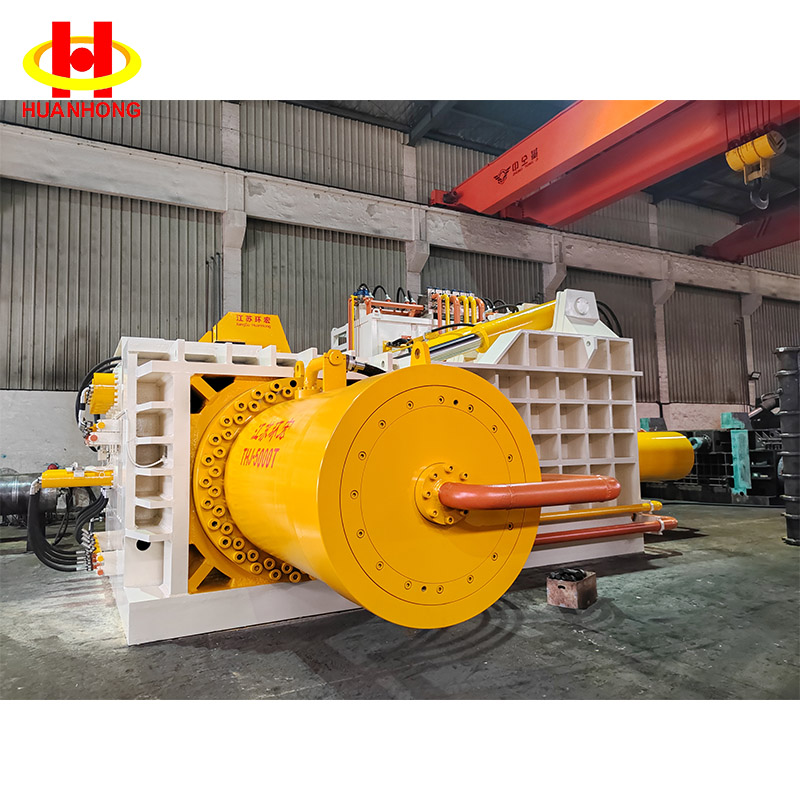
Jiangsu Huanhong Hydraulic makes scrap metal shears that show what buyers should look for. Their cutting force ranges from 100 to 2000 tons, and they offer three setups: gantry shears, alligator shears, and container shears. Each type fits different jobs, so you must pick the machine that matches your scrap material.
Shears, Balers, and Shredders Compared
You have three main equipment choices when planning your scrap metal buying strategy. Each machine does a different job in the recycling process.
Equipment Type | Primary Function | Suitable Scrap Types | Output |
Scrap Shear | Cut large pieces into smaller sizes | Car shells, I-beams, steel pipes, long bars | Cut pieces with reduced length |
Scrap Baler | Compress loose metal into dense bales | Aluminum, sheet metal offcuts, cans | Compact bales |
Shredder | Granulate material into small fragments | Mixed consumer and industrial waste | Granulated particles |
Shears handle the hardest cutting tasks. A gantry shear processes large or long scrap metal like scrap billets and big pipes using crane or conveyor feed. A container shear handles scattered small-to-medium scrap such as aluminum alloy doors and auto parts with PLC automatic operation. A crocodile shear deals with on-site emergency or small-batch waste like short steel bars and waste guardrails.
Balers shrink volume by up to four times. This reduction boosts truck load density from 25 percent to full capacity, saving 20 to 30 percent on transport costs. Balers also raise furnace throughput by up to 15 percent.
Shredders serve a different role. They break material into small pieces for later separation steps. Eddy current separators often follow shredders to pull out non-ferrous metals like aluminum, copper, and brass from mixed waste streams.
Power, Capacity, and Automation Specs
You must compare technical details carefully before buying. The right specs decide whether your equipment gives you the output you need.
Cutting force is the first spec to check. Gantry shears produce cutting forces from 2,500 kN up to 20,000 kN. Alligator shears range from 100 to 600 tons, about 980 to 5,880 kN. Huanhong Hydraulic's models span 100 to 630 tons, covering both light and heavy uses.
Motor power directly affects processing capacity. For shredders, a single-shaft hydraulic unit handling 5 to 20 tons daily needs 55 to 110 kW. A double-shaft shredder processing 20 to 80 tons daily needs 110 to 250 kW across two motors. Large hammer mills with pre-shredders handling over 300 tons daily demand 500 to 3,000 kW.
Throughput rates vary by machine type. Horizontal balers achieve 2 to 8 tons per hour with continuous feed. Vertical balers manage 0.5 to 2 tons per hour with batch loading. High-capacity models like the AMB-SC Series reach 15.6 tons per hour for ferrous materials and 7.8 tons per hour for aluminum.
Automation level separates modern equipment from older models. PLC-based control systems from Siemens and Schneider offer better durability and global parts availability than unbranded options. Huanhong Hydraulic integrates PLC control systems with energy-saving features, cutting operational costs while keeping steady output.
Blade length and charging box size also matter. Longer blades process wider material in one stroke. Charging box lengths range from 6 to 8 meters, with adjustable width and height to fit your scrap sizes. Feeding methods include chain conveyor or hydraulic cylinder pusher, depending on throughput needs.
Cooling systems deserve attention too. Forced-air cooling works for standard uses, while industrial water-cooling suits high-power models to keep hydraulic fluid at the right temperature.
These technical specs directly affect your return on investment. Buyers who match equipment specs to their actual scrap volume avoid overspending on extra capacity. Buyers who under-spec face bottlenecks that slow their whole operation. The scrap metal recycling equipment market rewards careful spec analysis.
Your buying process should include a video demonstration of the equipment running with your specific material type before committing. This check confirms the technical specs match real-world performance.
Supplier Verification for Equipment Quality
When checking scrap metal dealers, you should look closely at their machines, buildings, and trucks. Note how old they are, how well they were kept up, and how much longer they can work. You must check your equipment supplier just as carefully. A shiny brochure does not show you what the factory is really like. Before you spend money, you need to confirm the maker can actually do the job.
Auditing Manufacturing Capabilities
Start by looking at what the supplier owns. Jiangsu Huanhong Hydraulic started in 2012 and owns its land and workshop. Owning the facility shows they build things themselves. A company with its own plant can control quality better. A trading company that hires others to build cannot promise steady quality.
Ask for a virtual tour of the factory during your check. Look at the assembly floor, welding areas, and testing spots. Make sure they have the machines needed to build your equipment. Find out if they make key parts themselves or buy them from others. Making parts in-house means better quality control and quicker fixes.
Look over the supplier's certificates with care. The table below shows which ISO standards matter for a production plant:
ISO Standard | Why It Matters for a Factory |
ISO 9001:2015 | Keeps material intake, sorting, and processing steady so buyers get consistent quality. This applies directly to equipment manufacturing control. |
ISO 14001:2015 | Controls emissions, chemical spills, and dust. This helps manage the environmental impact of shredding and processing work. |
ISO 45001:2018 | Handles physical dangers from shredders, balers, cranes, and cutting tools. This keeps workers safe in a manufacturing plant. |
ISO 50001:2018 | Cuts energy use across shredding lines, baling equipment, and building systems. This saves money and supports sustainability. |
ISO 37001:2016 | Manages honesty risks in sourcing, government dealings, and third-party relationships. This ensures ethical trading in scrap buying. |
These certificates support your supply chain sustainability goals. A supplier with ISO 14001 handles environmental impact the right way. A supplier with ISO 37001 follows honest business practices. Both matter for your long-term reputation.
Spare Parts and After-Sales Support
Your buyer verification checklist must include after-sales support. Equipment breaks down. You need a supplier who responds fast. Ask about spare parts lead times. Critical parts should arrive within 2 to 4 weeks. Longer delays mean more downtime and lost money.
Remote diagnostics save you cash. A supplier who can check your line while it runs spots issues before they become failures. This preventive maintenance approach cuts unexpected stoppages by about 30 percent. Field service teams with strong combined experience handle complex repairs on site. Some suppliers even fix other makers' equipment, which shows their technical skill.
Review the service level agreement carefully. A strong SLA includes a response time of two hours or less for critical faults. A resolution guarantee of 24 hours for 95 percent of cases keeps your operation moving. An uptime commitment of at least 98.5 percent justifies your equipment investment. Extended warranties reduce lifetime repair costs by 18 to 22 percent, turning unpredictable expenses into budgeted ones.
Contact Huanhong Hydraulic directly at +86-13771610978 for support details. Their team answers questions about spare parts availability and service response times. A supplier who shares this information openly shows confidence in their after-sales network.
Your buyer verification process should treat after-sales support as seriously as the machine itself. The cheapest equipment becomes expensive when production stops. The right supplier keeps your scrap metal recycling equipment running at peak efficiency. This verification step protects your investment and ensures your recycling operation meets its production targets.
Strategic Recommendations for Global Buyers
For Small Scrapyard Operators
If your budget stays under $100,000, portable alligator shears from Huanhong Hydraulic are your best choice. These machines let you move around your yard as needed. That matters when you process scrap in different spots.
Your scrap metal pricing plan should include equipment costs. Big purchases need several years to pay off. Testing your investment with different price scenarios helps you see what risk you can handle. You avoid buying too much capacity when prices are high.
Leasing is another option. About 30% of buyers lease instead of buying. Standard lease terms run from 3 to 84 months. At the end, you can trade in the machine for a newer one. About 70-80% of lease customers choose to upgrade. This option keeps your cash available. Leasing lets you try the equipment before you fully commit. Smart buyers check the seller carefully.
Your scrap metal buying plan should put reliability ahead of price. The cheapest machine often costs more when it breaks down. Ask the seller about spare parts and service.
For Industrial Scale Processors
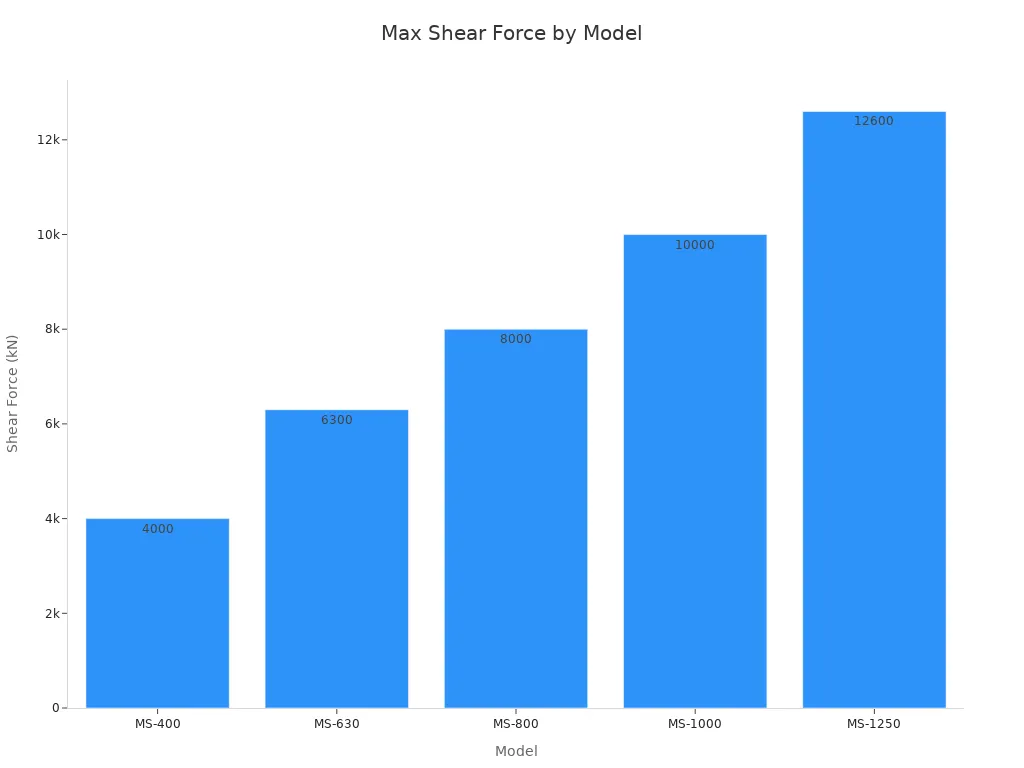
When your budget goes over $500,000, heavy-duty gantry shears in the 400 to 630 ton range give you the output you need for heavy scrap metal. The MS-400 model delivers 4,000 kN of shear force with 56.47 kW of power. The MS-630 model reaches 6,300 kN of shear force with 135 kW of power. These specs support nonstop processing. The frame uses high-strength steel. Blades use high-strength alloy steel. This build cuts downtime and extends machine life. A careful buyer checks the specs before buying.
Hook-up with your current conveyor systems allows 24/7 operation. Fully automatic models run around the clock through PLC control. You can link the shear with a hydraulic feeder and pusher. Upstream machines like grapple loaders and downstream magnetic separators connect to the same control system. Remote IoT diagnostics track production data and blade wear. Auto-cycle cutting programs let you process without hands-on work.
Advanced processing technology lowers operating costs and boosts recycling rates. This output improves profits in the recycling market. Quality control helps you meet stricter buyer specs. B2b buyers often require these features when sourcing machines.
Always ask for a video demo of the machine running with your specific material type before you commit. Every buyer should take this step. A smart buyer asks for proof of certifications. This check confirms the specs match real-world performance. Your buying process should include this step for every machine you consider.
You now have a complete procurement framework. Market analysis, certification verification, equipment selection, supplier audit, and strategic alignment form a cycle you repeat with every purchase. Treat each buying decision as a learning opportunity.
The cheapest upfront price often becomes the most expensive long-term cost. The 6.50% market growth signals rising demand. Your equipment will appreciate in value if you choose wisely. Buyers who invest in quality gain a competitive edge.
Environmental regulations tighten globally. Equipment with higher energy efficiency, like Huanhong's hydraulic systems, retains resale value better and faces fewer compliance hurdles. This verification process protects your investment.
Download a free procurement checklist template or contact Huanhong Hydraulic at andy@js-hhh.com for a free consultation on equipment sizing and configuration. Your next purchase deserves this careful approach.
FAQ
Why is certification important for your equipment purchase?
Certification proves your recycling equipment meets safety and quality rules. You need ISO 9001 or CE certification. This certification protects your money. Without it, you could face fines.
How do you verify a supplier's certification?
Check the certificate against the official EU NANDO database. Make sure the certification has the notified body number. A valid certification also lists the model and standards. This step stops fraud.
How does market growth affect your buying decision?
The market grows 6.50% each year, which raises competition. This growth pushes prices higher. You must plan for this in your budget. Knowing about growth helps you time your purchase. This growth also means better resale value.
What compliance issues do you face when importing?
You must follow rules for customs and safety. Following environmental regulations is a must. New environmental laws affect your import process. Check your machine meets local standards.
What scrap metal can a shear process?
A shear processes scrap metal, scrap steel, scrap iron, and car shells. The scrap metal must fit the blade size. Your scrap volume growth affects your shear choice. Pick a shear based on your scrap volume.


