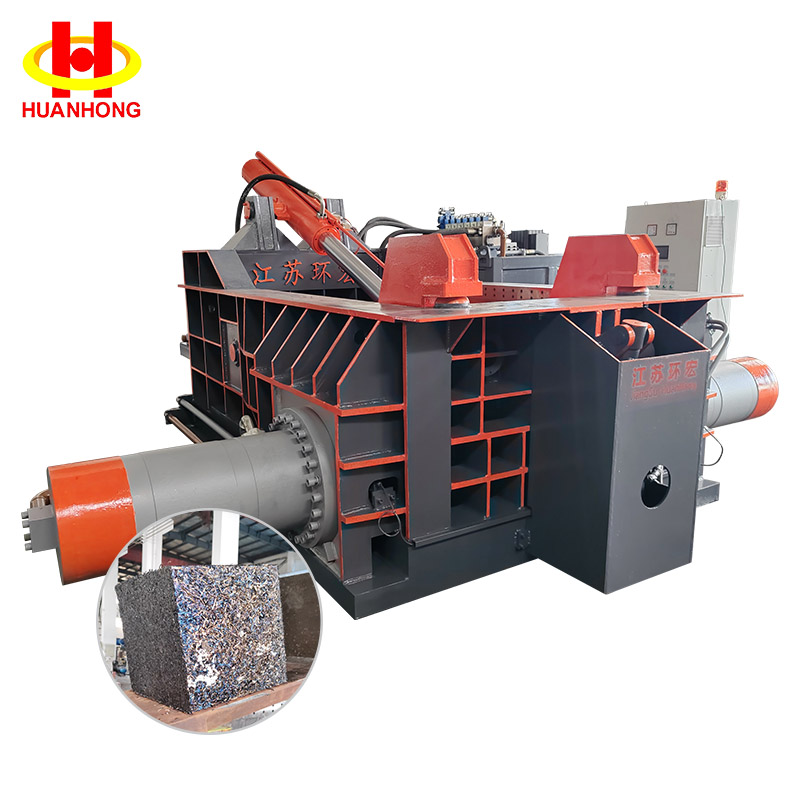
Selecting the right baler means knowing your recycling goals. You need to match your goals with your facility’s needs. Think about what materials you recycle. Also, look at how much you recycle each day. Decide how you want to make recycling better. The industrial baler buying guide from Huanhong Hydraulic can help you. It shows you how to pick the right baler type. You may need closed-door balers or other industrial balers. If you want a baler for your facility, experts can help you choose. Getting help makes your recycling more efficient. Trust Huanhong Hydraulic to help you find the best baler for your operation.
Key Takeaways
Find out what materials you recycle and how much you have. This helps you pick a baler that fits your needs.
Think about how you collect and move materials. A good system saves time and money.
Check how much space and power you have before buying a baler. Make sure the machine will fit and work in your facility.
Choose between new or used balers based on your money and goals. New balers have better features and come with warranties.
Talk to experts like Huanhong Hydraulic for special advice. Their help can guide you to the best baler for your facility.
Assessing Facility Needs for a Baler
Material Types and Volume
First, you need to figure out what materials your facility handles. Many recycling centers deal with lots of different materials. These can be:
Corrugated cardboard (OCC)
Office paper and mixed paper
Plastic film, like shrink wrap and stretch wrap
Rigid plastics, such as HDPE and PET containers
Aluminum cans
Plastic bottles
Carpet
Polyurethane foam
Textiles and fabric scrap
Each material needs special ways to be packed and moved. You should keep track of how much of each material you get every day and week. This helps you pick a baler with the right size and power. If your facility has a lot of metal, paper, or plastics, you might need horizontal balers that can handle more. Smaller places with less material can use vertical balers. Knowing what you recycle and how much helps you choose a baler that fits your goals and makes waste management easier.
Workflow and Collection
Good recycling depends on having a smooth system. You should look at how your team gathers and moves recyclables in your building. The best ways to do this are:
Proper equipment: Use balers and compactors to handle waste and cut down on pickups.
Employee training: Teach workers what can be recycled to stop mistakes.
Container placement: Put recycling bins where people throw away waste.
Effective sorting methods: Sort well to catch all recyclables and save money.
Think about how recyclables get from bins to the baler. Some places feed materials by hand, while others use machines like conveyors or forklifts. The right system saves work and helps the baler do more. Huanhong Hydraulic can look at your workflow and give advice that fits your recycling needs.
Space and Power Considerations
Space and power are important when picking a baler. You need to measure how much room you have for the machine and for using it. Vertical balers usually take up about 1 to 2 square meters, plus extra space for loading and taking out bales. These smaller machines are good for places with not much room. Horizontal balers need more space but can handle bigger jobs.
You also need to check how tall your ceiling is, especially if you want to use hoppers or conveyors. Make sure your building’s power matches what the baler needs. Vertical balers often use common industrial power like 220V, 380V, or 440V. Smaller balers might use single-phase power, but bigger horizontal balers need three-phase power to work well. Always check the power needs before you buy a baler.
Plan for a place to store finished bales. Put the baler close to where recyclables are made to make things faster. Think about space for moving parts and for fixing the machine. Huanhong Hydraulic can help you look at your space and power needs. Their experts can suggest the best baler and setup for your facility.
Tip: Planning your facility well saves time and money. It also makes your recycling safer and more efficient.
Comparing Baler Types from Huanhong Hydraulic
Vertical vs. Horizontal Balers
Picking the right baler is important for your facility. Vertical balers are good for small spaces. They handle less waste. Horizontal balers are better for big places. They work well with lots of recycling. Here is a table that shows the main differences:
Factor | Vertical Baler | Horizontal Baler |
Space | Needs little room; fits in small areas | Needs lots of space and room for conveyors |
Volume | Handles small to medium waste (2–8 tons/day) | Handles lots of waste (up to 80 tons/day) |
Labour | Needs 2–3 people; tying takes 3–5 minutes | Needs one person; auto-tie takes 18–35 seconds |
Throughput | Makes 1–5 bales each day | Makes many bales nonstop; open-end models keep going |
Cost | Costs less at first but more for labor later | Costs more at first but saves on labor and energy |
Vertical balers are best for places with little space. They work well in stores, offices, and small warehouses. They handle cardboard, paper, and light plastics. These balers make clean bales. You can earn money from recycling rebates. They cost less to run and need less fixing.
Horizontal balers are good for big recycling centers. They can process up to 25 tons each hour. They make bales that weigh up to 2,000 pounds. Automatic horizontal balers cut labor by 90%. They also lower bale-tying injuries by 92%. You get more bales faster. These balers are great for places that recycle all the time.
Tip: If your facility recycles a lot or needs to be fast, horizontal balers are the best choice.
Specialized Balers and Automation
Huanhong Hydraulic has many balers for special recycling jobs. You can pick vertical, horizontal, metal briquetting. Each baler is made for certain materials and uses. Here is a table with some special baler models:
Baler Model | Description |
Automatic Hydraulic Heavy Scrap Aluminum Shavings Baling Press | 250-ton metal baler for loose scrap metals. Makes regular blocks. |
Fully Automatic Aluminum Scrap Hydraulic Metal Recycling Baler | 250-ton side-push baler with conveyor belt and robotic arm. Makes a full production line. |
Hydraulic Titanium Alloy Scrap Metal Baling Pressing Baler | 2800-ton baler for titanium alloy waste. |
Small Fully Automatic Hydraulic Metal Baler | 160-ton baler that helps recycle metal and saves energy. |
Metal Briquetting Machines | Packs aluminum, copper, steel, and iron chips into tight blocks. |
Automation makes balers work better and safer. You can feed materials faster by 200%. Jams go down by 92%. Cycle times are about 7 seconds. One person can run the whole system. Automation means less manual work and fewer injuries. Safety features like stop buttons and locked doors keep workers safe. Neat stacks of bales make the area safer and easier to walk in.
Note: Automated balers help you save time, spend less on labor, and make your workplace safer.
Safety and Maintenance
Safety matters most when picking balers. Huanhong Hydraulic balers have features to stop accidents:
Emergency stop buttons stop the machine right away.
Hydraulic systems keep pressure safe and avoid overloads.
Guards and locks keep people away from moving parts.
Sensors find jams or high pressure and shut down the machine.
Quieter machines make the workplace safer and less noisy.
Safety Feature | Description |
Emergency Stop Buttons | Lets you stop the machine fast if there is trouble |
Safety Guards | Barriers keep you from touching moving parts |
Automatic Cutting Sensors | Finds things in the way and stops cutting |
Baled scrap metal is safer to store. It keeps sharp edges inside and stacks easily. This makes the workplace safer and follows rules better.
Taking care of Huanhong Hydraulic balers is easy. Check them every week. Clean moving parts. Look for leaks. Test safety features. Get a pro to check the baler every six months. This keeps your baler working well and safely.
Tip: Keeping up with maintenance helps your baler last longer and work better.
New vs. Used Baler Options
Pros and Cons of New Balers
Getting a new baler has many good points. New balers use the newest technology and automation. This helps your team work faster and saves time. You spend less money on moving and getting rid of waste. New balers help the environment by lowering carbon emissions. They also keep more waste out of landfills.
You get a warranty and support if something goes wrong. Huanhong Hydraulic gives a one-year warranty for horizontal hydraulic scrap metal balers, vertical waste balers, and heavy-duty performance scrap metal balers.
Product Type | Warranty Duration |
Horizontal Hydraulic Scrap Metal Baler | 1 Year |
Vertical Waste Baler | 1 Year |
Heavy-Duty Performance Scrap Metal Baler | 1 Year |
New balers need less fixing and work well every day. Most new balers last between 15 and 20 years or even longer.
Tip: Buying a new baler helps your facility feel safe and keeps it working for a long time.
Evaluating Used Balers
If you want a used baler, check a few things first. Look at how much waste your facility makes. Make sure the baler fits the size and type of materials you recycle. Check your space to pick vertical or horizontal balers. Think about automation if you want to work faster and use less labor.
See if the baler is easy to fix. Find out how much replacement parts cost. Safety features are important to keep workers safe. Used balers do not last as long and may break more often. Older balers need more care and fixing. They can cost more to run because they are not as efficient.
Note: Always check maintenance records and safety features before you buy a used baler.
Total Cost of Ownership
Think about the total cost for both new and used balers. New balers have better technology, work well, and come with warranties. This lowers risks and fixing costs. New balers cost from $10,000 to over $100,000, depending on what you need. Used balers cost less at first, from $3,000 to $60,000, but may need more repairs.
You pay for workers, energy, wire, and fixing the baler. Big balers used eight hours a day can make electric bills over $20,000 each year. Baling ferrous scrap costs $10 to $20 per ton. Yearly maintenance costs can be $1,000 to $5,000. Older balers need more repairs and new parts.
Choosing new or used balers depends on your needs, money, and goals. New balers are reliable and efficient. Used balers cost less but may need more fixing.
Tip: Add up all costs, including running and fixing, before you decide.
Making the Right Baler Choice
Key Decision Factors
There are a few important things to think about when picking a baler for your recycling center. The right choice helps your team work better and stay safe. Use this table to help you decide:
Decision Factor | Description |
Material Type | Pick what materials you recycle. This changes the size and power of your baler. |
Volume of Material Generated | Count how much material you have. This helps you choose the right size and how much automation you need. |
Material Collection Method | Check how you gather and bring materials to the baler. This affects what equipment you need. |
Electrical Power Requirements | Look at your power supply. Some balers use single-phase, others use three-phase power. |
Auto-tie balers are best if you recycle a lot. They save time and cut down on hard work. Make sure your baler matches your recycling goals and what you do each day.
Expert Consultation with Huanhong Hydraulic
You do not have to pick a baler by yourself. Huanhong Hydraulic has experts who can help you choose the best baler for your needs. Their team knows that every recycling center is different. They give advice for all kinds of places, from small rooms to big factories. The Y82 Series can handle cardboard, plastic, textiles, and light metals. You can also ask for special models if you need them. Huanhong Hydraulic will help you with service and technical support, so your baler keeps working well.
Tip: Getting help from experts can save you money and make sure your baler fits your work.
Planning for Growth
Your recycling center might get bigger in the future. Think about what you will need later when you pick a baler. Choose machines that you can add to or change as you grow. Many new balers, like auto-tie balers, let you add upgrades and new parts. Look for smart features that help you watch how your baler works and plan repairs. You can also start recycling new materials or open more locations. Auto-tie balers can handle more work as your business grows, so they are a good choice for the future.
You should pick a baler that fits your facility’s needs. First, look at what materials you recycle and how much you have. Next, check out different baler types and decide if you want new or used. It helps to talk to experts for advice. You can ask Huanhong Hydraulic for help that fits your needs. The right baler makes your work faster and helps the planet. It also stops common mistakes. Look at these long-term benefits:
Benefit | Impact |
Cost Savings | Lower operational costs, possible revenue |
Environmental Impact | Protects future generations |
Compliance | Meets health and safety regulations |
FAQ
What materials can you process with a Huanhong baler?
You can press metal scraps, paper, textiles, and plastics. Huanhong balers work with many recyclable materials. You can pick a model that fits your business.
Are Huanhong balers customizable for your facility?
You can choose vertical, horizontal, or special balers. Huanhong lets you change the size, automation, and material type. You get a baler that fits how your team works.
How much maintenance do Huanhong balers require?
Check moving parts every week. Clean the machine and look for leaks. Huanhong balers last a long time. You will not spend much time fixing them.
Can you automate your recycling process with Huanhong balers?
You can add things like conveyor belts and robotic arms. Automation helps feed materials and tie bales faster. This makes your work easier and saves labor.
What support does Huanhong Hydraulic provide after purchase?
You get technical help and a one-year warranty. Huanhong experts help set up, train, and fix problems. Your baler will keep working well.


