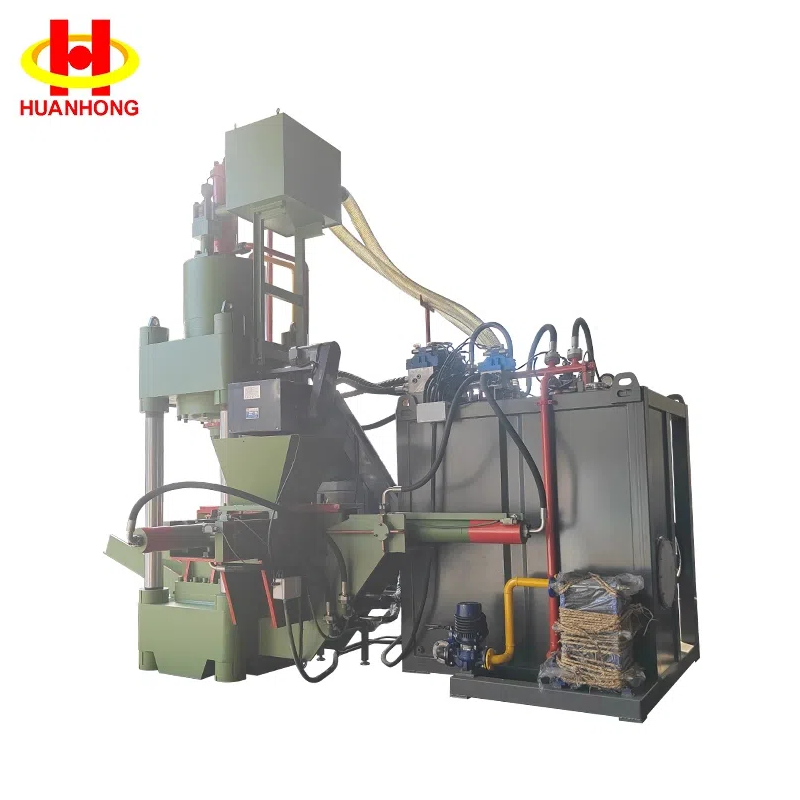
A scrap metal briquetter delivers its best performance only when operated correctly and maintained regularly. At Jiangsu Huanhong Hydraulic Co., Ltd., we understand the importance of reliable equipment for scrap metal processing. This guide provides plant operators, maintenance teams, and reliability engineers with practical steps to optimize throughput, extend the life of key components, and ensure safe operation of your scrap metal briquetter. Following these best practices helps reduce production bottlenecks, improve safety, and maximize the return on your equipment investment.
Key Takeaways
These core takeaways preview critical guidance for operating your vertical metal briquetting machine, helping plant operators, maintenance technicians and reliability‑engineers get quick value before diving into the full guide.
Correct daily startup inspections, operator PPE compliance and pre‑production test briquette calibration lay the foundation for safe, consistent scrap‑metal briquetting performance.
Tailoring pressure, dwell‑time and feeding patterns to different metal feedstock directly improves briquette density, product quality and overall machine throughput.
A structured weekly‑monthly‑annual preventive‑maintenance routine targeting hydraulic systems, sealing parts, mould alignment and electrical components cuts unplanned downtime and extends equipment service life.
Early diagnosis of typical faults including crumbling briquettes, hydraulic pressure loss and feed hopper bridging avoids costly production bottlenecks and component damage.
Auxiliary upgrades such as automated feeding systems, filtration modules and IoT remote‑monitoring can further boost productivity, support predictive maintenance and lift return‑on‑equipment investment.
Getting Started: Safe Daily Startup Checklist
Pre-start Inspections: Hydraulic Levels, Safety Interlocks, Feed Hopper Clean-out
Before turning on your scrap metal briquetter, perform thorough pre-start checks. Confirm that hydraulic oil levels are within the recommended range and that safety interlocks are fully operational. Inspect the feed hopper to remove any leftover metal debris or dust, which could jam the ram or affect briquette density. Additionally, check hydraulic hoses and fittings for visible wear or leaks. Performing these checks daily prevents unexpected downtime and maintains consistent briquette quality.
Operator PPE and Emergency Stop Procedures
Safety begins with the operator. Ensure all personnel are equipped with appropriate personal protective equipment (PPE) including gloves, safety goggles, hearing protection, and steel-toed boots. Familiarize your team with emergency stop procedures and locations of all safety switches. Conduct a quick drill periodically so operators can respond quickly to malfunctions, preventing accidents and reducing the risk of equipment damage.
First-run Calibration and Test Briquettes
After inspections, perform a first-run calibration to ensure your scrap metal briquetter is operating at optimal settings. Produce a few test briquettes to verify pressure, dwell time, and density. Evaluate the briquettes visually and by weight. Adjust settings as needed for different materials, ensuring uniformity and reducing waste. This step is particularly important when changing feedstock types, as metals like aluminum and copper behave differently than steel during compression.
Operating Tips to Improve Briquette Quality & Throughput
Optimal Feed Patterns and Avoiding Air Pockets in Hopper
The feed pattern directly impacts briquette density and machine performance. Avoid overfilling or feeding unevenly, which creates air pockets that reduce compressive strength. For large operations, consider implementing a mechanical feeder or vibrating hopper to maintain consistent material flow. Regular cleaning of the hopper and feeder ensures no residual material interferes with new batches.
Adjusting Pressure & Dwell Time for Different Metals
Different metals require tailored pressure and dwell time settings. Steel scrap typically needs higher pressure and longer dwell time compared to aluminum or softer metals. Monitor initial runs closely and document optimal settings for each material type. Consistently applying the correct pressure prevents low-density briquettes and reduces wear on machine components.
Monitoring Cycle Time and Production Logging
Maintaining a production log is essential for operational efficiency. Track cycle times, total briquettes produced, and energy consumption. Over time, this data helps identify trends and potential inefficiencies. For instance, a sudden increase in cycle time may indicate hydraulic wear, feed inconsistencies, or mold misalignment, allowing preventive action before major downtime occurs.
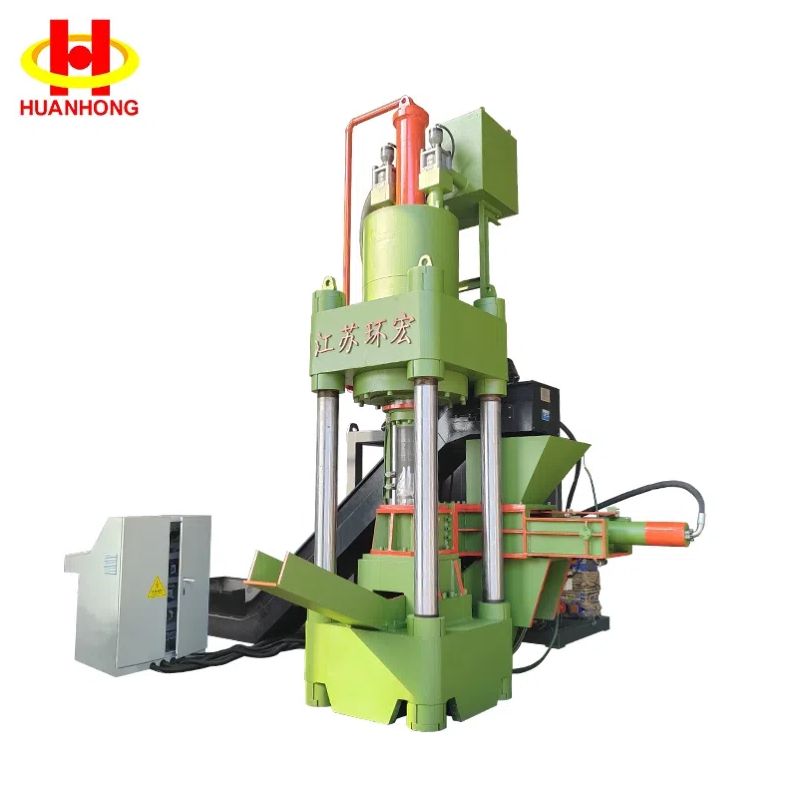
Preventive Maintenance Schedule (Weekly / Monthly / Annual)
Hydraulic Oil / Filter Change Intervals and Contamination Checks
Hydraulic oil and filters are vital to smooth operation. Weekly oil level checks and periodic changes prevent contamination from particles or moisture. Contaminated oil can accelerate wear on seals and valves, compromising the entire system. Implement an oil sampling program and replace filters according to manufacturer recommendations to maintain system integrity.
Wear Parts Inspection: Ram Seals, Die Surfaces, Mold Alignment
Inspect wear-prone components such as ram seals, die surfaces, and mold alignment weekly. Misaligned molds can create uneven pressure, resulting in poorly formed briquettes. Replace worn seals promptly to prevent leaks, which could cause hydraulic failure. Document inspections and replacements to track component longevity and plan maintenance schedules effectively.
Lubrication Points, Bearings, and Electrical Checks
Lubricate all moving parts according to the maintenance schedule. Bearings and pivot points require special attention to prevent friction-related damage. Electrical systems, including sensors and control panels, should be inspected for loose connections or signs of wear. Keeping electrical systems in good condition ensures accurate monitoring and safer operations.
Troubleshooting Common Issues
Briquettes Crumbling or Low Density — Root Causes & Fixes
Low-density or crumbly briquettes may result from inadequate pressure, inconsistent feed, or air pockets in the hopper. Ensure that feed materials are properly sorted, avoiding overly wet or greasy scrap. Adjust dwell time and pressure for the specific metal being processed. Regular calibration and trial runs help maintain consistent briquette quality.
Hydraulic Pressure Loss or Leaks — Quick Diagnostics
Pressure loss or hydraulic leaks can compromise production. Check hoses, valves, and fittings regularly, and tighten or replace components as needed. Leaks often start small but can escalate quickly, leading to longer downtime if ignored. Maintaining hydraulic integrity ensures stable machine operation and consistent briquette density.
Feed Jams and Bridging — Mechanical and Process Remedies
Feed jams typically occur when the hopper is overloaded or material flow is uneven. Use proper feed patterns and avoid introducing oversized pieces that can bridge. Installing flow aids, such as vibration plates or augers, can significantly reduce bridging. Regular operator training on loading procedures also improves efficiency and prevents jams.
Upgrades & Accessories That Boost Productivity
Coolant Recovery Modules & Filtration Add-ons
For heavy‑duty hydraulic recycling equipment manufactured by Jiangsu Huanhong Hydraulic Co., Ltd., adding coolant recovery and filtration modules delivers tangible improvements to operational efficiency while significantly reducing environmental impact. Founded in 2012 and located in Yunting Industrial Park, Jiangyin City, Huanhong Hydraulic supplies a full portfolio of hydraulic equipment including metal balers, gantry shears, alligator shears, container shears, waste paper balers and metal briquetting machines, widely deployed across scrap‑steel processing, end‑of‑vehicle dismantling, renewable‑resource recovery and circular‑economy industries. Facing complex market headwinds such as shrinking domestic demand and fluctuating steel prices, Huanhong keeps optimizing equipment value‑added features to help end‑users mitigate operational risks and secure stable performance output, with nearly 500 balers and 300 gantry shears delivered to customers in recent years.
By keeping hydraulic and cooling systems consistently clean in harsh scrap‑processing working conditions, these practical upgrades effectively block fine metal debris and contaminants, prevent premature component wear, extend service life of core hydraulic parts and lower long‑term maintenance costs for recycling operators. They also contribute to a safer working environment by minimizing fluid spills and cross‑contamination on site. With coolant recycled and reused within closed‑loop circuits, end‑users cut fresh coolant consumption, reduce waste‑fluid disposal workload and meet higher environmental compliance requirements — a perfect match for the circular‑economy scenarios where Huanhong’s equipment is heavily applied.
Conclusion
Tracking key performance indicators such as uptime percentage, briquettes per hour, and energy per ton provides measurable insights into operational efficiency. A detailed handover checklist and concise maintenance log for new operators ensures consistent performance across shifts. Jiangsu Huanhong Hydraulic Co., Ltd.combines robust scrap metal briquetters with practical maintenance guidance, helping clients achieve maximum uptime and optimal production. For expert advice, equipment specifications, or support, contact us today.


