Introduction
How are large metal pieces cut for recycling? Scrap metal shears make the process efficient and quick. These powerful tools are crucial in scrap yards and recycling operations.
In this article, we will explain what scrap metal shears are, how they work, and their benefits. You will also discover how advanced technology from companies like Huanhong enhances shear performance.
What is a Scrap Metal Shear?
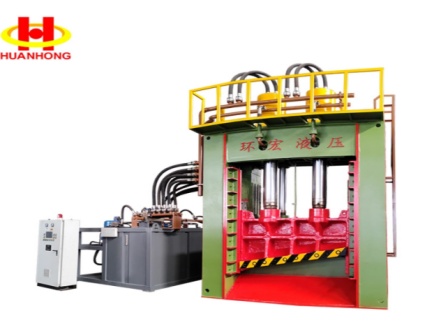
A scrap metal shear is a robust cutting machine used to reduce the size of scrap metal, making it easier to transport and recycle. These machines are commonly used in recycling plants and scrap yards to process large quantities of scrap metal, transforming them into smaller, uniform pieces. The shearing action is powered by hydraulic or mechanical systems, allowing these machines to cut through thick and tough materials with ease.
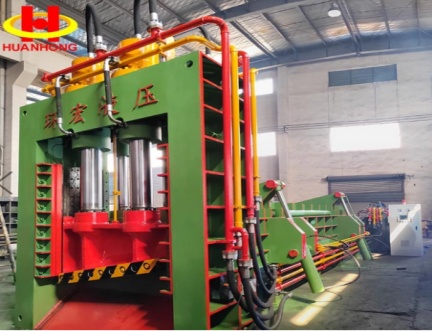
The key components of a scrap metal shear include a powerful hydraulic system, cutting blades, and a robust frame designed to handle high forces. These shears are typically designed to cut materials like steel, aluminum, copper, and other metals, making them versatile tools for metal recycling.
How Scrap Metal Shears Work
Scrap metal shears operate by applying hydraulic or mechanical force to metal scrap through a cutting blade. In hydraulic scrap shears, hydraulic fluid is pressurized to generate the cutting force needed to slice through the metal. The force is applied to a cutting blade that moves down to shear the material, similar to a giant pair of scissors. The size and strength of the shear depend on the material being processed, with larger models capable of cutting through tougher metals like steel.
In advanced models, scrap metal shears are equipped with automated controls that ensure consistent pressure and precise cuts. Some machines even include automated feeding systems, allowing for continuous operation without requiring manual intervention.
Types of Scrap Metal Shears
There are several types of scrap metal shears, each designed for specific applications and materials. The most common types include:
● Hydraulic Scrap Shears: Powered by hydraulic systems, these shears can generate a large amount of force, making them suitable for cutting heavy-duty scrap metal. These machines are widely used in industrial facilities due to their power and efficiency.
● Vertical and Horizontal Shears: Vertical shears are often used in larger operations where cutting precision is important. Horizontal shears are typically more compact and are used for smaller recycling tasks, making them versatile for a variety of operations.
● Mobile Shears: Mounted on trucks or vehicles, these shears can be moved directly to the site of the scrap metal, reducing the need for transportation and offering flexibility in scrap processing.
Type of Shear | Application | Advantages |
Hydraulic Scrap Shears | Cutting heavy-duty scrap metal | High force, ideal for tough metals like steel and aluminum |
Vertical Shears | Large-scale operations, cutting thicker materials | Precision cuts, suitable for large scrap metal pieces |
Horizontal Shears | Compact operations, used for smaller scrap materials | Space-efficient, easy to operate in small spaces |
Mobile Shears | Used in mobile recycling units and scrap yards | Portability, flexible for on-site cutting |
How Do Scrap Metal Shears Improve Efficiency in Recycling?
Speed and Throughput
One of the main advantages of using scrap metal shears is their ability to increase the speed and throughput of recycling operations. These machines can handle large volumes of material in a relatively short amount of time, drastically reducing the time needed to process metal. Hydraulic scrap shears, for example, can handle up to 50 tons per hour, depending on the material and shear size. This increased speed boosts operational efficiency, enabling facilities to process more scrap metal without needing additional labor or machinery.
Additionally, modern scrap metal shears often feature automated systems that help reduce human error, ensuring that the machine operates at its optimal performance levels throughout the entire process.
Waste Reduction
Scrap metal shears help reduce material wastage during the cutting process. With clean, precise cuts, the amount of metal lost during shearing is minimized, allowing for a higher yield of usable material. This is particularly important in metal recycling, where maximizing the amount of recoverable metal is essential for profitability and sustainability. With machines designed to handle large volumes, the waste reduction capabilities ensure that each piece of scrap is processed efficiently.
Space Optimization and Reduced Transport Costs
By cutting scrap metal into smaller, uniform pieces, scrap metal shears help optimize storage space. Large, uncut metal pieces take up considerable space in recycling facilities, creating bottlenecks and inefficient operations. When the metal is cut into smaller, more compact pieces, it becomes easier to store and manage. Additionally, smaller pieces are easier and more economical to transport. The reduced size allows for better packing in trucks or containers, ultimately lowering transport costs and increasing the facility’s overall efficiency.
Efficiency Factor | Benefit | Example |
Speed and Throughput | Faster processing, reducing metal handling time | Hydraulic shears processing up to 50 tons per hour |
Waste Reduction | Minimized material loss during cutting | Clean cuts reduce wastage of valuable metal |
Space Optimization | Smaller, uniform metal pieces are easier to store | Reduces storage space by 30% for compacted scrap |
Key Benefits of Using Scrap Metal Shears
Increased Productivity
Scrap metal shears can drastically improve productivity in recycling operations. With the automation of the cutting process, these machines reduce the need for manual labor and speed up metal processing. The reduction in time spent cutting and handling materials allows recycling centers to process more scrap metal, increasing throughput and operational efficiency. This increase in productivity directly contributes to the profitability of recycling facilities.
Moreover, advanced scrap shears, such as those equipped with automated feeding and cutting systems, ensure consistent performance and reduce downtime, making them essential for high-volume operations.
Improved Safety
Safety is a major concern in scrap metal recycling, as the cutting process involves handling heavy, sharp materials. Modern scrap metal shears are designed with numerous safety features to minimize risk. These features include emergency stops, protective guards, and secure clamping systems to prevent accidents during operation. By reducing the amount of manual handling and minimizing the exposure to sharp metal edges, scrap shears help maintain a safer working environment.
Additionally, some scrap shear machines come with automated control systems that can detect and address issues in real-time, ensuring that the machine operates smoothly without putting workers at risk.
Enhanced Material Density
Another benefit of using scrap metal shears is their ability to enhance the density of the processed scrap. The shearing action compresses the material, reducing its volume while increasing its density. This is particularly important in large-scale recycling operations, where increased material density makes it more economical to transport and process metal. By reducing the overall volume of scrap metal, these machines help make recycling operations more cost-effective, providing a significant return on investment.
Scrap Metal Shear Machine Variants
Alligator Shears
Alligator shears are a type of mobile shear commonly used for cutting smaller metal scrap pieces, such as rods, bars, and small pipes. They are particularly useful for scrap yards and smaller recycling operations where space is limited, and flexibility is key.
Guillotine Shears
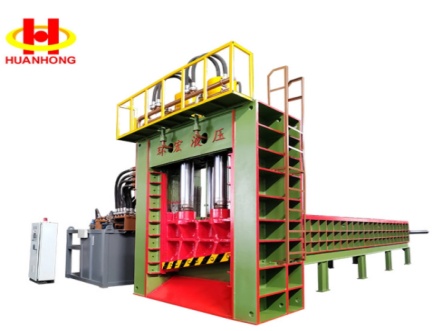
Guillotine shears use a vertical, straight blade to cut metal scrap. These shears are perfect for cutting thicker materials like metal sheets and plates. They are commonly used in large-scale recycling operations and are favored for their precision and clean cuts. Guillotine shears can handle heavy-duty materials and are an essential tool for metal fabrication and recycling facilities.
Integration with Other Recycling Systems
Conveyor Systems
When integrated with conveyor systems, scrap metal shears can streamline the metal processing workflow. Conveyors automatically feed scrap metal into the shear, eliminating the need for manual material handling and improving the overall speed of the operation. This integration enhances efficiency, reduces labor costs, and ensures that material flows smoothly from one processing stage to the next.
Shear-Baler Combinations
Shear-baler systems combine the functions of cutting and compacting scrap metal into uniform bales. This integrated system allows for more efficient processing, as it cuts the metal into smaller pieces and then compresses them into dense, uniform bales. This is especially useful for large recycling operations where both cutting and baling are necessary.
Maintenance and Operational Considerations
Routine Maintenance
Routine maintenance is essential to keep scrap metal shears running efficiently. Regular inspections of the hydraulic systems, cutting blades, and other components ensure that the machine performs at its best. Well-maintained scrap shears can last for many years, delivering reliable performance and reducing the likelihood of costly breakdowns. Preventative maintenance practices, such as cleaning filters, checking fluid levels, and replacing worn-out parts, help avoid downtime and extend the machine’s lifespan.
Performance Optimization
To get the most out of a scrap metal shear, operators should optimize its settings based on the material being processed. Different metals require different cutting forces, so adjusting the shear’s pressure, speed, and blade settings can improve cutting efficiency and prolong the machine's life. Training operators to adjust these settings for different scrap materials ensures the shear performs optimally at all times.
Maintenance Task | Frequency | Purpose |
Check Hydraulic Fluid Levels | Weekly | Ensures optimal hydraulic pressure and cutting power |
Inspect Cutting Blades | Monthly | Prevents dulling and damage to the blades, ensuring clean cuts |
Clean Filters and Components | Monthly | Avoids contamination and ensures smooth machine operation |
Conclusion
Scrap metal shears play a crucial role in recycling and metal processing operations. These machines improve productivity, safety, and material density. By cutting scrap metal into smaller pieces, they make it easier to store, transport, and process, increasing efficiency. As technology advances, machines like those from Huanhong continue to evolve, offering greater precision and efficiency in recycling.
Tip: Ensure your scrap shear machine is regularly maintained to maximize its lifespan and maintain optimal performance.
FAQ
Q: What is a scrap metal shear?
A: A scrap metal shear is a machine designed to cut scrap metal into smaller, manageable pieces for recycling and processing.
Q: How do scrap metal shears work?
A: Scrap metal shears use hydraulic or mechanical systems to apply force, cutting through tough metals like steel and aluminum.
Q: What are the benefits of using a scrap metal shear?
A: Scrap metal shears improve productivity, reduce waste, and make it easier to store, transport, and process scrap metal.
Q: How do hydraulic scrap metal shears differ from mechanical ones?
A: Hydraulic scrap metal shears provide more cutting force, making them suitable for heavy-duty metal cutting, while mechanical ones are typically used for lighter tasks.


