Introduction
Ever wondered how scrap metal recycling is revolutionized? Hydraulic Scrap Metal Steel Copper Baling Press Bale plays a pivotal role. These machines compress loose metals into compact bales, enhancing recycling efficiency. In this post, you'll learn about their importance and impact on metal recycling processes.
Understanding Hydraulic Baling Presses
How Hydraulic Baling Presses Work
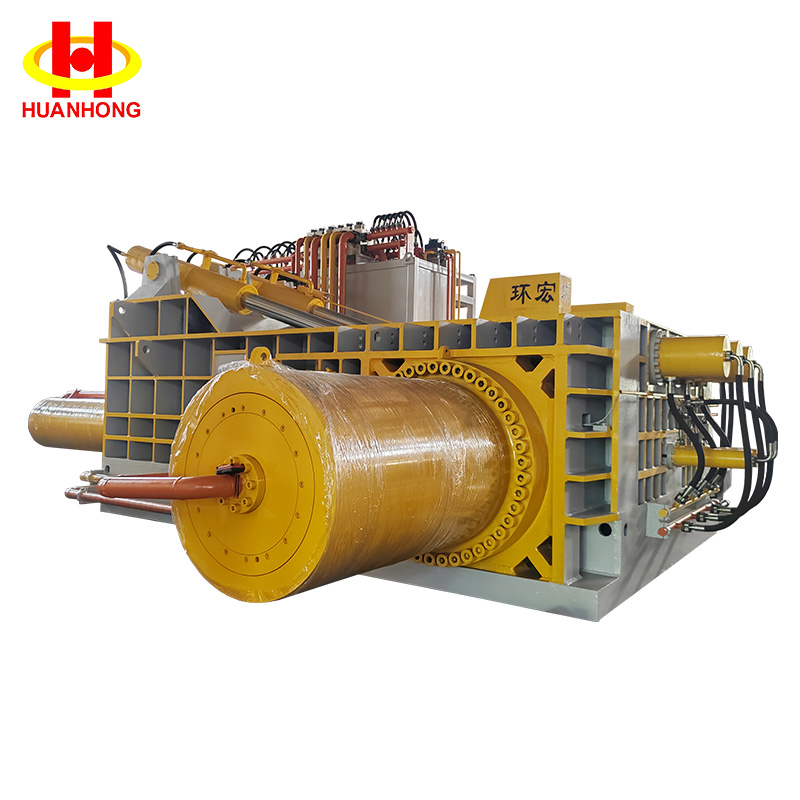
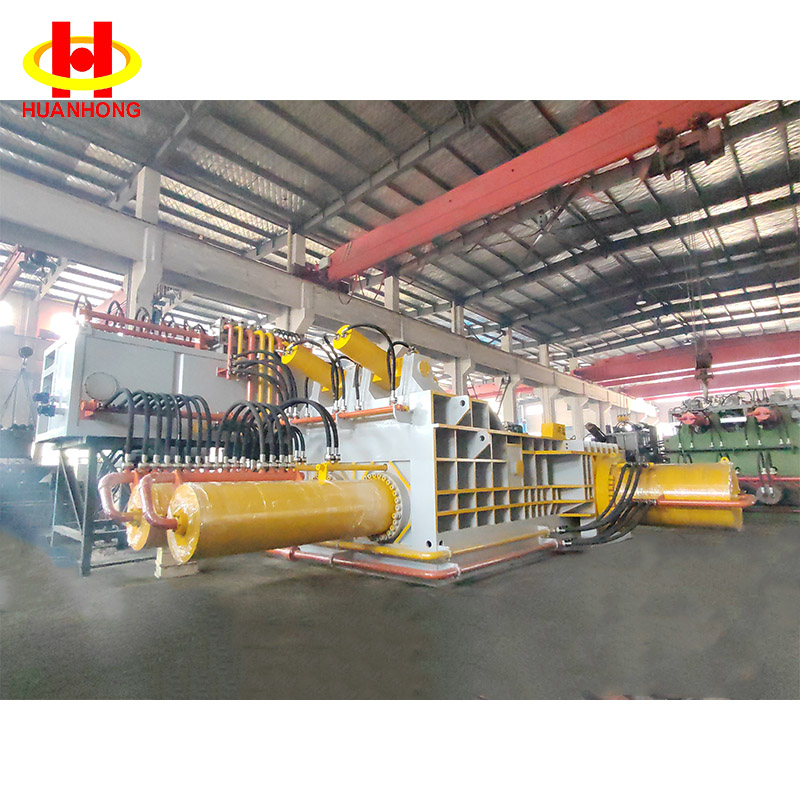
Hydraulic baling presses use powerful hydraulic cylinders to compress loose scrap metal into dense, uniform bales. The process starts when scrap is loaded into the press chamber. Then, a hydraulic ram applies immense pressure, squeezing the metal tightly. This compression reduces volume drastically, making the scrap easier to handle and transport.
The hydraulic system operates through fluid pressure, which moves the ram with controlled force and speed. Operators can adjust the pressure depending on the metal type and desired bale density. After compression, the baler locks the bale in place, often tying it with wire or straps to maintain shape during handling.
This controlled compression prevents damage to valuable metals like copper or aluminum, which can be sensitive to excessive force. The entire cycle—from loading to bale ejection—is often automated in modern presses, increasing efficiency and safety.
Key Components of Hydraulic Baling Presses
Hydraulic Cylinder and Ram: The heart of the baler, it delivers the compression force. Cylinders vary in size and pressure capacity based on machine design.
Press Chamber: The space where scrap is loaded and compressed. Its size determines the maximum bale dimensions.
Control System: Includes valves, sensors, and sometimes PLC (Programmable Logic Controller) for automated operation and pressure regulation.
Tying Mechanism: Secures the bale after compression, using wire, straps, or bands.
Frame and Structural Components: Built from heavy-duty steel to withstand high pressure and repetitive cycles.
Safety Features: Emergency stops, safety gates, and interlocks protect operators during operation.
Some presses include advanced features like adjustable ram speed for delicate materials or multi-chamber designs to increase throughput. Proper maintenance of hydraulic pumps, valves, and seals ensures consistent performance and longevity.
Example Table: Typical Specifications of Hydraulic Baling Presses
| Component | Typical Range |
| Compression Force | 100 to 1200+ tons |
| Bale Size (WxHxD) | 30x30x60 cm to 100x100x200 cm |
| Cycle Time | 30 seconds to 2 minutes |
| Pressure Control | Manual or automated via PLC |
| Power Source | Electric motor driving hydraulic pump |
Hydraulic baling presses adapt well across various metals—steel, copper, aluminum—by adjusting pressure and cycle settings. This versatility makes them essential in metal recycling operations.
Benefits of Using Hydraulic Baling Presses
Volume Reduction and Space Efficiency
Hydraulic baling presses drastically reduce scrap metal volume by compressing loose materials into dense bales. This volume reduction can be up to 10 times smaller than the original loose scrap. By compacting scrap steel, copper, and other metals, facilities maximize storage space, allowing more material to be stored in the same area. This is especially valuable in scrapyards or recycling plants where real estate is limited and costly.
Dense bales stack neatly, improving warehouse organization and reducing clutter. This organized storage minimizes workplace hazards caused by scattered scrap pieces and creates a safer environment for workers. Additionally, compact bales prevent scrap from spreading or shifting, which can damage materials or equipment.
Cost Savings in Transportation and Storage
Transportation costs are a significant expense in metal recycling operations. Loose scrap is bulky and inefficient to transport, often filling trucks before reaching their weight limits. Hydraulic baling presses increase load density, enabling trucks to carry more metal by weight within legal limits. This means fewer trips, lower fuel consumption, and reduced overall transportation expenses.
For example, a truckload of baled copper can weigh substantially more than the same volume of loose copper scrap. This efficiency can reduce transportation costs by 20-30%, which adds up to significant savings over time. Moreover, uniform bale sizes facilitate easier loading and unloading, speeding up logistics and reducing labor costs.
Storage costs also decrease because bales take up less space and can be stacked securely. This reduces the need for additional storage facilities or expansions. Facilities can maintain higher inventory levels of recyclable metals, ensuring steady supply for processing or sale without incurring extra storage expenses.
Additional Operational Advantages
Improved Handling: Bales are easier to move using forklifts or cranes, improving operational efficiency.
Material Protection: Compressing scrap reduces exposure to air and moisture, lowering oxidation and preserving metal quality.
Consistent Bale Quality: Uniform bales improve downstream processing, such as melting or smelting, by providing predictable material input.
In summary, hydraulic baling presses deliver essential benefits that enhance space utilization and cut costs across transportation and storage. These advantages make them indispensable tools for efficient and profitable metal recycling.
Tip: Regularly monitor bale density and size to optimize transport loads and storage space, maximizing cost savings and operational efficiency.
Enhancing Recycling Efficiency
Improving Metal Recovery Rates
Hydraulic scrap metal baling presses play a vital role in boosting metal recovery rates. By compressing scrap metals into dense, uniform bales, these machines help reduce contamination and material loss during handling. Loose scrap often mixes with dirt, dust, or other unwanted debris, lowering the quality and value of recovered metals. When baled, metals stay tightly packed, minimizing exposure to contaminants.
Moreover, baling presses enable better control over the compression process. Operators can adjust pressure and cycle speed to suit different metals like steel, copper, or aluminum. This precision helps preserve metal integrity, especially for softer metals like copper that can deform under excessive force. Properly baled scrap melts more efficiently in furnaces, leading to higher metal yield and less waste.
Bales also facilitate improved sorting. Uniform shape and size allow automated sorting systems or manual handlers to separate metal types more effectively. This separation reduces cross-contamination and ensures cleaner metal streams reach smelters or refiners. Clean, sorted scrap commands higher prices and supports sustainable recycling practices.
Facilitating Better Sorting and Material Handling
Baling presses simplify material handling throughout the recycling chain. Once baled, scrap metals become easier to store, transport, and process. Standardized bale sizes enable neat stacking, maximizing storage space and reducing clutter in yards or warehouses. This organized storage lowers workplace hazards caused by scattered scrap pieces.
Handling baled scrap requires less labor and time. Forklifts or cranes can move multiple bales quickly, boosting operational efficiency. Uniform bales also reduce the risk of damage during transport, preventing metal loss or safety incidents.
Sorting benefits from bale uniformity as well. Consistent bale dimensions allow sorting machinery to operate smoothly without jams or errors. Some advanced balers integrate sensors and control systems that help identify and segregate materials during compression. This integration further streamlines sorting and improves material quality.
In addition, baling presses help remove excess moisture and air from scrap, reducing oxidation. This preservation maintains metal quality during storage and transit, enhancing overall recycling efficiency.
Choosing the Right Hydraulic Baling Press
Factors to Consider: Material Type and Volume
Selecting the right hydraulic baling press starts with understanding the type and volume of scrap metal you handle. Different metals require different compression forces and machine settings. For example, steel scrap needs higher pressure to form dense bales, while copper and aluminum require gentler compression to avoid damage. Knowing your material mix helps choose a baler designed for optimal performance.
Volume plays a critical role too. Small-scale recyclers processing a few tons daily need a machine with lower capacity but high efficiency. Large operations handling hundreds of tons require heavy-duty presses with fast cycle times. Matching machine capacity to your throughput prevents bottlenecks and keeps your operation running smoothly.
Assessing Bale Size and Density Requirements
Bale size and density impact storage, transport, and resale value. Compact, dense bales reduce volume, saving space and lowering transportation costs. However, the ideal bale size depends on your handling equipment and customer requirements.
Bale Size: Consider your forklifts, trucks, and warehouse space. Smaller bales fit tight spaces and ease handling, while larger bales maximize volume reduction.
Bale Density: Higher density means less air and moisture, preserving metal quality and increasing weight per bale. Adjust compression pressure to achieve the right density without damaging delicate metals.
Some balers offer adjustable bale dimensions and pressure settings, providing flexibility for different scrap types and market demands. This versatility can boost profits by meeting diverse customer needs.
Additional Considerations
Automation Level: Fully automated presses with PLC controls improve efficiency for large volumes. Semi-automatic or manual machines suit smaller operations.
Durability: Look for robust construction and quality components to withstand heavy use.
Energy Efficiency: Machines consuming less power reduce operational costs.
Safety Features: Emergency stops, interlocks, and safety gates protect workers and ensure compliance.
Maintenance: Easy access to parts and clear maintenance schedules extend machine life.
Safety and Maintenance Considerations
Essential Safety Features of Hydraulic Baling Presses
Hydraulic baling presses must prioritize operator safety due to the high forces involved. Key safety features include:
Emergency Stop Buttons: Easily accessible stops halt machine operation immediately during emergencies.
Safety Gates and Interlocks: These prevent access to the press chamber while the baler is running, protecting workers from injury.
Two-Hand Control Systems: Require operators to use both hands to start the compression cycle, reducing accidental activation.
Pressure Relief Valves: Prevent hydraulic overloads by releasing excess pressure, avoiding equipment damage and hazards.
Warning Lights and Alarms: Alert operators to machine status changes or faults, enabling quick response.
Safety Sensors: Detect obstructions or body parts near moving components to stop operation instantly.
Lockout/Tagout Provisions: Facilitate safe maintenance by ensuring the machine cannot start unexpectedly.
Incorporating these features helps meet workplace safety standards and reduces accident risks. Operators should receive thorough training on safety protocols and machine controls.
Routine Maintenance for Longevity and Performance
Regular maintenance ensures hydraulic baling presses operate efficiently and last longer. Key maintenance tasks include:
Hydraulic Fluid Checks: Monitor fluid levels and quality; replace or top up as needed to maintain system pressure and prevent contamination.
Inspect Seals and Hoses: Look for leaks or wear that could cause hydraulic failures or safety hazards.
Lubricate Moving Parts: Keep joints, bearings, and tie mechanisms well-lubricated to reduce wear and friction.
Check Electrical Components: Test sensors, control panels, and wiring for damage or malfunction.
Clean Press Chamber and Components: Remove scrap debris and dirt that could hinder operation or damage the machine.
Test Safety Devices: Regularly verify emergency stops, interlocks, and alarms function correctly.
Monitor Ram and Cylinder Condition: Inspect for signs of wear or scoring that might affect compression quality.
Schedule Professional Servicing: Engage qualified technicians for periodic in-depth inspections and repairs.
A detailed maintenance log helps track performed tasks and identify recurring issues. Preventive maintenance reduces downtime, repair costs, and safety incidents.
Case Studies and Real-World Applications
Success Stories in Scrap Metal Recycling
Many recycling facilities have transformed operations by integrating hydraulic scrap metal steel copper baling presses. For example, a mid-sized scrapyard in Texas cut transportation costs by 25% after switching from loose scrap shipments to baled copper and steel. The uniform bales allowed fuller truckloads, reducing trips and fuel expenses significantly.
Another success story comes from a European recycling plant specializing in non-ferrous metals. They reported a 15% increase in metal recovery rates after adopting hydraulic balers tailored for copper and aluminum. The presses gently compressed delicate metals without damage, preserving material value and improving resale prices.
In Asia, a large-scale steel recycling center improved workplace safety by using baling presses to compact scrap before handling. The neat, dense bales reduced clutter and minimized sharp edges, lowering injury incidents by 40%. This also sped up loading and unloading times, boosting daily throughput.
These cases show how hydraulic baling presses not only enhance logistics but also improve metal quality, safety, and profitability. Companies that invest in the right balers tailored to their scrap types see measurable benefits across their operations.
Challenges and Solutions in Implementing Baling Presses
Despite clear advantages, implementing hydraulic baling presses comes with challenges. One common issue is selecting a baler that matches the facility’s scrap profile. Using a machine with excessive pressure on soft metals like copper can cause deformation, reducing value. Conversely, underpowered balers fail to compress dense steel scrap effectively, limiting volume reduction.
To solve this, many operators conduct test runs with sample scrap before purchase. Adjusting pressure settings or choosing machines with adjustable ram speeds helps optimize bale density and quality. Custom chamber designs also prevent material loss or contamination during compression.
Another challenge is maintenance. Hydraulic systems require regular attention to avoid leaks or pressure drops. Facilities that establish strict maintenance schedules and train staff on troubleshooting see fewer breakdowns and longer machine lifespans.
Space constraints in existing yards can complicate baler installation. Modular or compact baler designs help fit machines into tight areas without disrupting workflows. Some operations also integrate balers with conveyor systems for automated feeding, improving throughput and reducing manual labor.
Lastly, operator training is crucial. Proper use ensures safety and maximizes machine efficiency. Manufacturers often provide training and after-sales support to ease the transition.
Conclusion
Hydraulic baling presses are crucial for efficient scrap metal recycling, offering significant benefits in volume reduction, cost savings, and material preservation. As the industry evolves, advancements in automation and material handling are expected to enhance recycling processes further. Companies like JSHH provide innovative baling solutions, ensuring optimal performance and safety. Their products, known for unique features and high efficiency, deliver exceptional value, supporting sustainable and profitable recycling operations.
FAQ
Q: Why is a Hydraulic Scrap Metal Steel Copper Baling Press Bale important for recycling?
A: It enhances recycling efficiency by reducing contamination, improving metal recovery rates, and facilitating better sorting and handling.
Q: What are the cost benefits of using a Hydraulic Scrap Metal Steel Copper Baling Press Bale?
A: It reduces transportation and storage costs by increasing load density, minimizing trips, and maximizing space utilization.
Q: How do Hydraulic Scrap Metal Steel Copper Baling Press Bales improve safety?
A: They reduce workplace hazards by compacting scrap into neat bales, minimizing clutter and sharp edges that can cause injuries.


