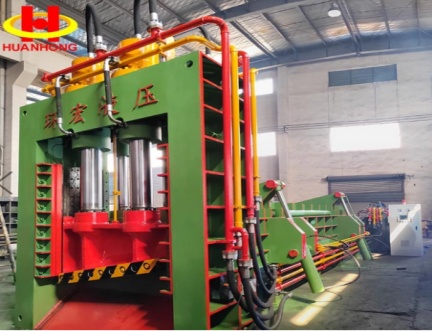
In the metal recycling industry, productivity, cutting power, and operational reliability are far more important than cutting precision. Scrap materials are often irregular, bulky, and extremely tough, including waste steel, scrap iron, pipes, beams, and dismantled metal structures. To process these materials efficiently, heavy-duty equipment is required.
A Scrap Metal Gantry Shear is one of the most widely used machines for this purpose.
Unlike precision plate shears used in fabrication workshops, a scrap metal gantry shear is designed specifically for high-force cutting of waste metal. It plays a crucial role in improving processing speed, reducing handling costs, and enhancing overall recycling efficiency in scrap yards and metal recovery plants.
What Is a Scrap Metal Gantry Shear?
A Scrap Metal Gantry Shear is a heavy-duty hydraulic cutting machine mainly used in metal recycling and scrap processing industries. Its primary function is to shear large and irregular scrap metal into shorter, manageable lengths for transportation, storage, or melting.
Designed for Scrap, Not Precision Products
Scrap metal gantry shears are not intended for high-precision cutting or finished metal products. Instead, they focus on:
Extremely high cutting force
Strong structural rigidity
Continuous operation under heavy loads
These machines are capable of processing materials such as:
Their rugged design makes them ideal for harsh environments where durability and power are essential.
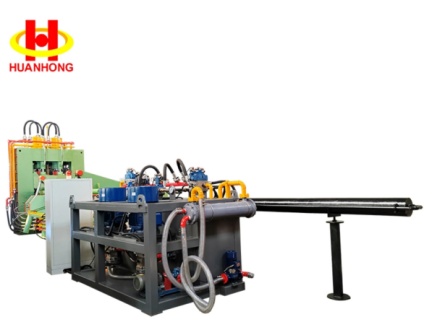
How a Scrap Metal Gantry Shear Operates in Recycling Facilities
Although the structure of a gantry shear appears simple, its working process is highly effective for continuous scrap processing.
Scrap Feeding and Initial Handling
Scrap metal is typically loaded onto the shear’s working bed using cranes or material handlers. Unlike precision cutting machines, strict alignment is not required. This flexibility significantly reduces preparation time and allows operators to handle mixed scrap efficiently.
Gantry Cutting Positioning
After the gantry shear completes a single cutting cycle, the material pushing system automatically advances the scrap along the feeding direction by a preset distance, ensuring the continuous and efficient operation of subsequent cutting processes.This movement enables the cutting head to reach different sections of the scrap pile without repositioning the material repeatedly, improving operational flow within the recycling yard.
Hydraulic Shearing Process
The hydraulic system drives the blade downward with immense force. The blade slices through thick scrap metal, breaking it into shorter lengths. This process prioritizes cutting strength and reliability rather than clean or decorative edges, which is perfectly suited to recycling requirements.
Repetitive Cutting for High Throughput
After completing a cut, the gantry retracts and moves to the next position. This repetitive cycle allows large volumes of scrap to be processed continuously, supporting high-throughput recycling operations.
Why Scrap Metal Gantry Shears Are Essential in Metal Recycling
The value of a scrap metal gantry shear lies not in precision, but in its ability to improve overall recycling efficiency.
Increasing Processing Speed and Capacity
By rapidly cutting oversized scrap into smaller sections, gantry shears significantly increase the amount of material that can be processed each day. This higher throughput helps recycling facilities meet growing demand while maintaining stable operations.
Reducing Manual Labor and Safety Risks
Manual cutting of heavy scrap metal is both labor-intensive and dangerous. Gantry shears reduce the need for direct human involvement in cutting operations, improving workplace safety and lowering labor intensity in scrap yards.
Improving Scrap Handling and Logistics
Smaller, standardized scrap sizes are easier to load, transport, and store. By preparing scrap for downstream processes such as furnace charging or shipment, gantry shears help optimize logistics and reduce transportation costs.
Ensuring Long-Term Reliability in Harsh Environments
Recycling environments expose equipment to dust, impact, and continuous heavy loads. Scrap metal gantry shears are built with durability in mind, offering stable performance and long service life even under demanding conditions.
Common Applications of Scrap Metal Gantry Shears
Because of their strength and adaptability, scrap metal gantry shears are widely used across the recycling industry.
Scrap Yards and Recycling Centers
In scrap yards, gantry shears are used to process mixed metal waste into manageable sizes for resale or further processing.
Steel Mills and Foundries
Steel producers rely on gantry shears to prepare scrap metal before melting, ensuring efficient furnace operation.
Demolition and Industrial Dismantling
During demolition projects, gantry shears are used to cut large steel components and structural waste generated on-site.
End-of-Life Vehicle and Equipment Recycling
Automobile and machinery dismantling facilities use gantry shears to break down frames and heavy metal parts efficiently.
How Scrap Metal Gantry Shears Improve Overall Recycling Efficiency
By combining powerful hydraulic cutting with a simple and robust working principle, scrap metal gantry shears directly contribute to more efficient recycling operations. They reduce handling time, improve equipment utilization, and support continuous processing, all of which are essential for maintaining profitability in large-scale recycling facilities.
Rather than focusing on cutting accuracy, these machines deliver value through strength, stability, and productivity—qualities that align perfectly with the real needs of the metal recycling industry.
Conclusion
A scrap metal gantry shear is not a precision cutting machine, but a core piece of equipment for modern metal recycling. Its ability to handle heavy, irregular scrap materials with high efficiency makes it indispensable in scrap yards, steel mills, and demolition sites.
By improving processing speed, reducing labor risks, and enhancing logistical efficiency, gantry shears help recycling businesses operate more safely and profitably. As the recycling industry continues to expand, scrap metal gantry shears will remain a fundamental solution for efficient waste metal processing.


