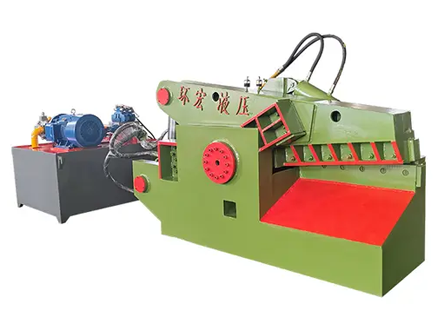
When customers ask us how an Alligator Shear works, they are usually trying to answer a practical production question: Is this the right machine for cutting long, awkward metal stock like rebar and pipe quickly, safely, and consistently? In many workshops, scrapyards, and metal processing lines, the challenge is not only cutting metal—it is cutting it into manageable lengths without wasting time, overcomplicating the workflow, or using equipment that is too expensive or too large for the job. That is exactly why the alligator shear remains such a practical machine.
In scrap metal recycling, one of the most important tasks is not simply collecting metal—it is preparing that metal so it can be handled, sorted, transported, and processed efficiently. Scrap rarely arrives in neat, uniform sizes. It often comes as long bars, pipes, rebar, light structural steel, mixed offcuts, wire bundles, and irregular production leftovers. Before those materials can move smoothly into baling, shredding, smelting, or resale channels, they usually need to be cut down into manageable lengths. That is where the Alligator Shear plays a very practical role.
In scrap processing, efficiency depends on more than hydraulic force alone. A machine may have a strong frame and a powerful cylinder, but if the wrong material goes into the cutting zone, productivity can drop quickly, blade wear can increase, and the operator may face unnecessary interruptions. That is why understanding material suitability is one of the most practical parts of using an Alligator Shear. In everyday yard operations, the real question is not simply whether the machine can cut metal—it is what kind of metal it handles well, what shape it prefers, and what materials should stay out of the cutting area.
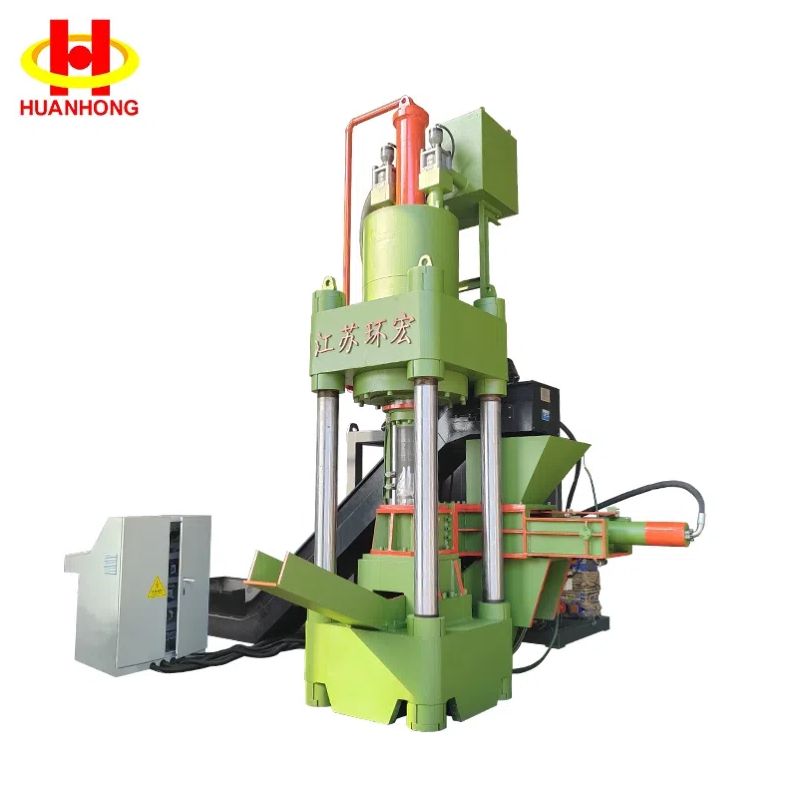
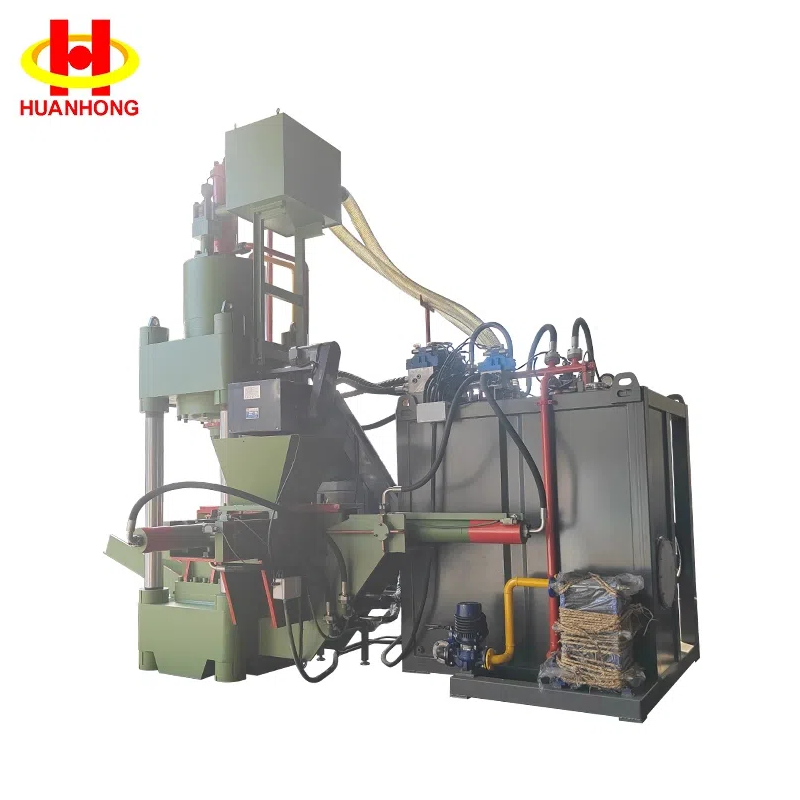
In metalworking and scrap processing, one of the most overlooked cost centers is not always the raw material itself, but the waste generated during production. Machining chips, turnings, borings, grinding sludge, and loose metal offcuts can quickly accumulate across workshops, foundries, and fabrication plants.
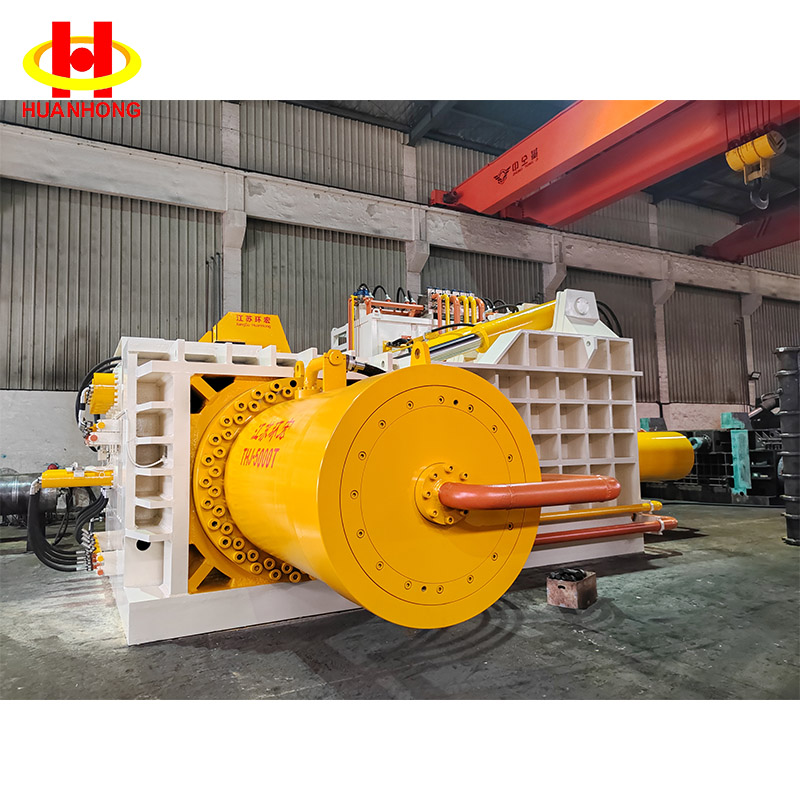
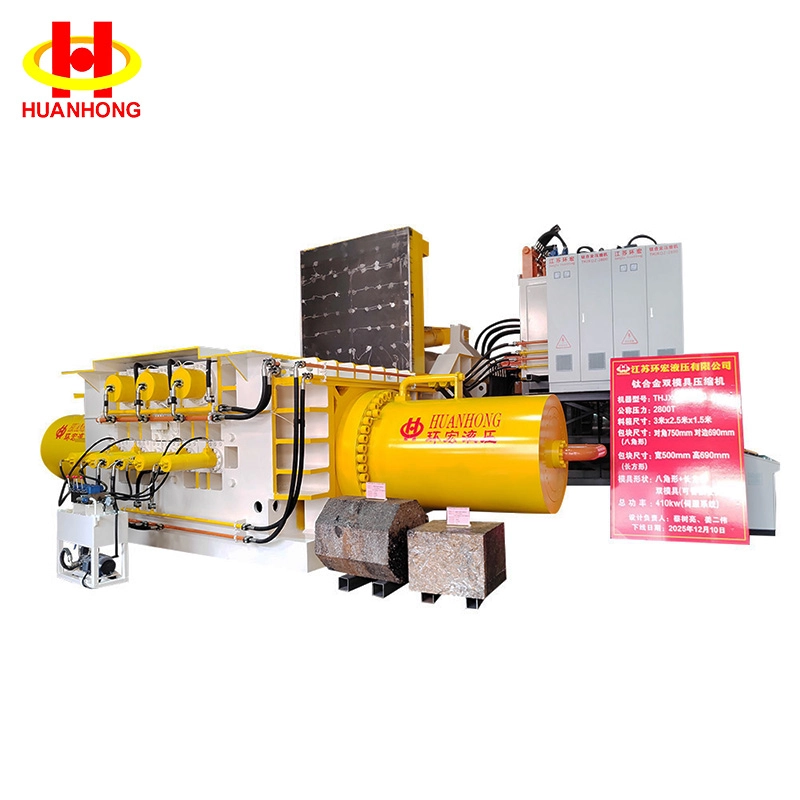
What are scrap metal shears used for? These machines cut large metal pieces into smaller, manageable sizes.In this article, we’ll explore the uses of scrap metal shears. You’ll learn how they improve recycling and boost efficiency, with insights into products like those from Huanhong.
How are large metal pieces cut for recycling? Scrap metal shears make the process efficient and quick. These powerful tools are crucial in scrap yards and recycling operations.In this article, we will explain what scrap metal shears are, how they work, and their benefits. You will also discover how advanced technology from companies like Huanhong enhances shear performance.