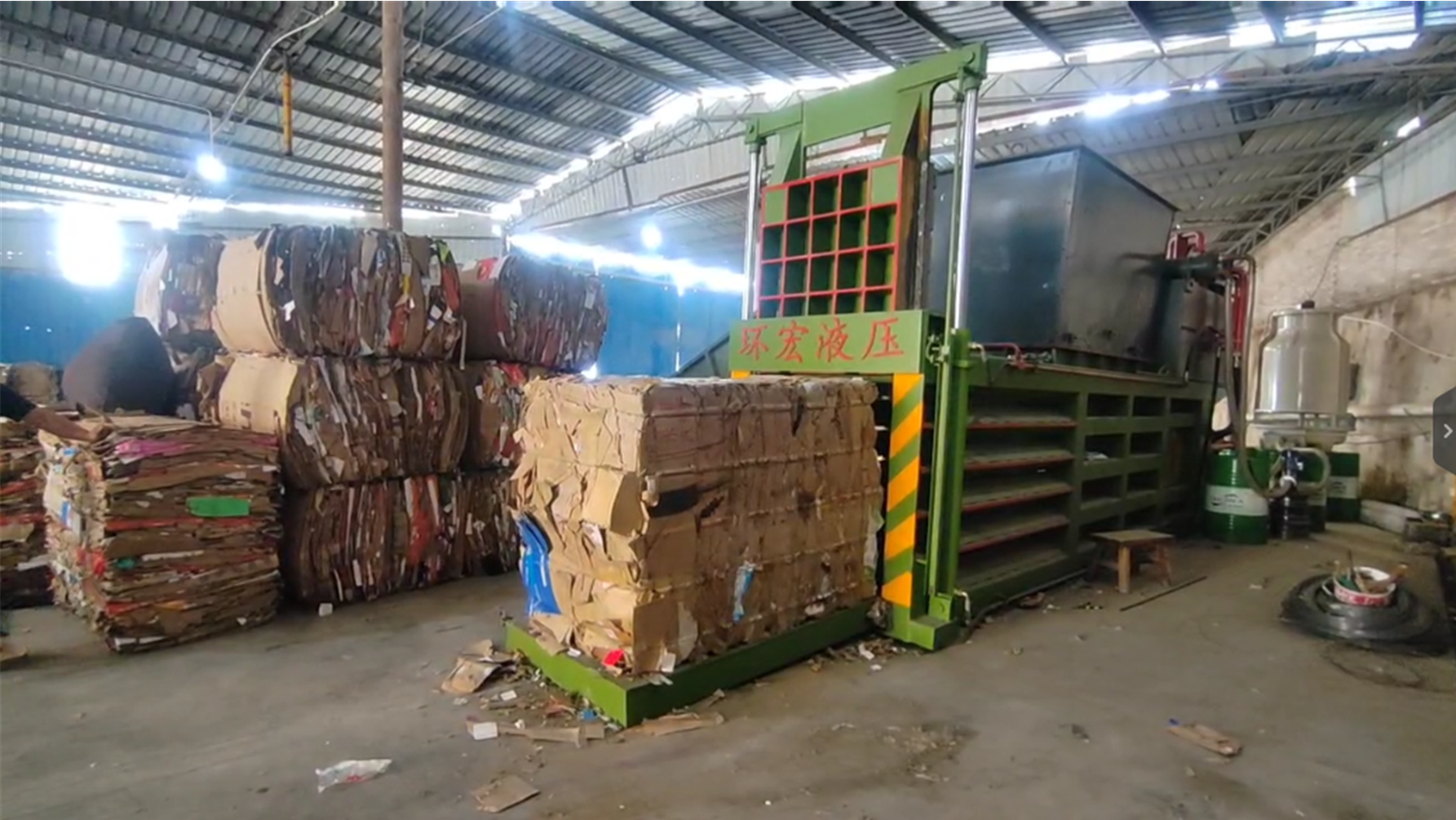
Hydraulic waste cardboard and plastic balers are vital tools in many industries, helping to streamline waste management by compressing large quantities of recyclable materials like cardboard, paper, and plastic into dense, manageable bales. However, like any complex machinery, balers can encounter issues that impact their performance, leading to downtime and increased maintenance costs. In our experience, understanding these common problems and knowing how to address them can make all the difference in keeping operations running smoothly and efficiently.
At Jiangsu Huanhong Hydraulic Co., Ltd., we have extensive expertise in the operation and maintenance of hydraulic balers. We’ve encountered various challenges over the years, and in this article, we’ll discuss some of the most common issues faced by users of hydraulic waste cardboard and plastic balers. We will also offer practical solutions that can help you minimize downtime, reduce maintenance costs, and improve the longevity of your baler.
1. Hydraulic System Problems
The hydraulic system is the core of any hydraulic baler, providing the force needed to compress materials into dense, manageable bales. However, because it operates under high pressure and intense conditions, the hydraulic system is prone to various issues that can significantly affect the baler’s performance. Hydraulic problems are among the most common causes of malfunction in these machines, but with proper maintenance, most issues can be avoided or resolved promptly.
Common Hydraulic System Problems:
Low Hydraulic Pressure: Low pressure can severely impact the baler’s performance, causing weak compression and inefficient bale formation. This issue typically arises from low hydraulic fluid levels or problems within the hydraulic pump.
Hydraulic Fluid Leaks: Leaks in hoses, seals, or fittings can lead to a loss of hydraulic fluid. Even small leaks can reduce the overall system efficiency and, if left unaddressed, may damage the pump or other vital components.
Overheating: Hydraulic systems generate heat during operation, and if the system is not adequately cooled, the fluid can overheat. This results in higher wear on system components, including seals and valves, and can cause permanent damage to the hydraulic system if not addressed.
Solutions for Hydraulic System Issues:
Issue | Solution |
Low hydraulic pressure | Regularly check and maintain hydraulic fluid levels. Inspect the system for leaks and test the system's pressure to ensure it’s within the required range. |
Hydraulic fluid leaks | Inspect hoses, seals, and fittings regularly for wear or damage. Replace any components that are leaking or damaged to prevent further fluid loss and system failure. |
Overheating | Ensure the hydraulic cooling system is functioning properly. Regularly clean filters and ensure the coolant is flowing freely to prevent blockages. |
By regularly maintaining the hydraulic system—checking fluid levels, inspecting for leaks, and performing pressure tests—you can prevent these common issues and keep your hydraulic baler running efficiently. Preventative care helps extend the lifespan of the machine and reduces downtime, keeping your waste management process smooth and cost-effective.
2. Feeding System Jams
Feeding system jams are another common issue with hydraulic balers that can significantly disrupt the baling process. When the materials cannot flow smoothly into the machine, it leads to stoppages, inefficient operation, and costly downtime. These jams often arise from improper handling or materials that are difficult to feed.
Common Feeding System Problems:
Overloading: Overloading the baler with too much material can block the feeder mechanism, causing the machine to jam. This typically happens when operators try to feed more material than the machine can handle at once, which interferes with the proper flow and compression of the materials.
Improper Material Sorting: If materials such as cardboard, plastic, and paper are not sorted correctly, they can clog the feeding system. Mixed or incompatible materials cause feeding problems, as some may be too thick or dense for the baler to process effectively.
Sticking or Clogging: Wet cardboard or sticky plastics are particularly troublesome for feeding systems. Moisture or sticky residue can cause materials to stick to the feeding mechanism, leading to clogs and jams.
Solutions for Feeding System Issues:
Issue | Solution |
Overloading | Ensure that materials are evenly distributed in the feeder. Avoid overloading the machine and follow the manufacturer's capacity guidelines. |
Improper material sorting | Sort materials properly (cardboard, plastic, paper) before feeding into the baler. Regularly inspect the feed for contaminants to prevent issues. |
Sticking or clogging | Regularly clean the feeding system to remove any sticky residues. Ensure that all materials are dry and free of moisture before processing. |
Proper material preparation and routine cleaning of the feeding system are crucial to preventing these issues. By addressing these factors, you can ensure smoother operation, reduce downtime, and maintain the baler’s efficiency.
3. Bale Compression Issues
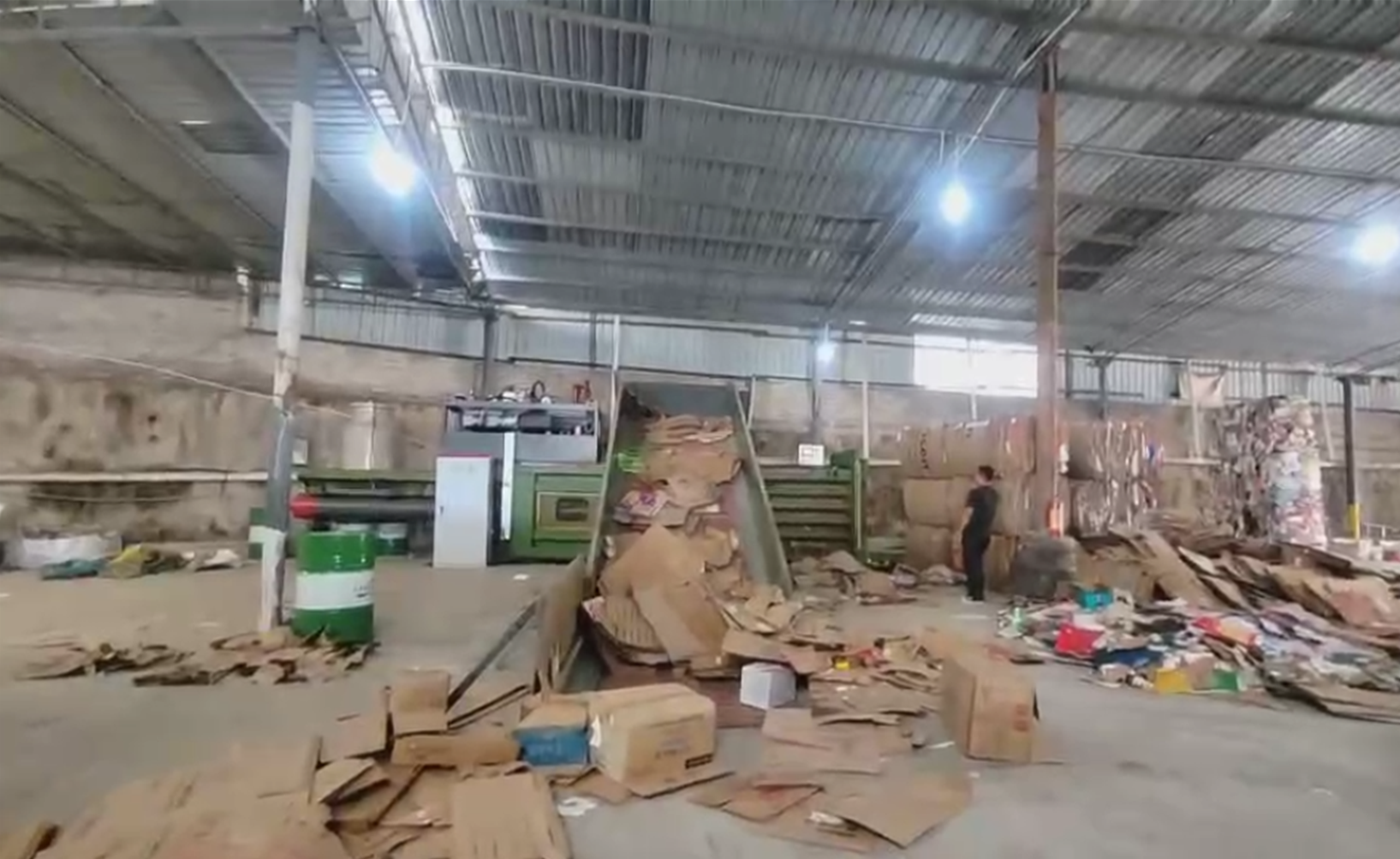
Bale compression is a critical aspect of the baling process. Poor compression can lead to bales that are either too loose or too dense, both of which can cause operational problems.
Common Problems:
Under-compression: If the bale is not compressed enough, it may be loose, causing difficulty in handling and transport.
Over-compression: Over-compression can cause the bale to become too hard, making it difficult to remove from the machine or damaging the hydraulic system.
Uneven compression: If the baler’s pressure isn’t evenly applied, the bales may be misshapen or inconsistent in size.
Solutions:
Issue | Solution |
Under-compression | Adjust the hydraulic pressure settings and check for any issues in the compression system. If the problem persists, inspect the hydraulic system for leaks or malfunctions. |
Over-compression | Ensure the machine is not overloaded, and adjust settings to prevent excessive pressure during the compression cycle. Regularly inspect the ram for signs of wear. |
Uneven compression | Inspect the baling chamber for any obstructions or damage that could interfere with the even application of pressure. |
It’s essential to calibrate the baler’s settings correctly to achieve consistent and efficient compression.
4. Electrical System Failures
The electrical system in a hydraulic baler controls the operation of motors, control panels, and safety features. Issues with the electrical system can prevent the baler from operating properly.
Common Problems:
Faulty connections: Loose or damaged wiring can cause electrical malfunctions, including failure to start or erratic operation.
Control panel errors: Faults in the control system can lead to inaccurate readings, improper settings, or failure to activate certain functions.
Motor issues: Problems with the motors that power the baler’s moving parts can lead to decreased efficiency or complete system failure.
Solutions:
Issue | Solution |
Faulty connections | Regularly inspect wiring and electrical connections for wear, corrosion, or loose connections. Tighten or replace any damaged wires. |
Control panel errors | Check for error codes on the control panel and follow the troubleshooting steps provided in the manual. Perform regular system calibrations and software updates. |
Motor issues | Check motor performance, inspect the electrical system for damage, and ensure proper lubrication of motor components. |
Regular electrical inspections and troubleshooting will help ensure that the baler’s control systems are working properly.
5. General Wear and Tear
Heavy-duty balers are subjected to intense stress and strain during operation, and over time, components can experience wear and tear, affecting performance.
Common Problems:
Blade wear: The blades used to cut through materials may dull or become misaligned, affecting the quality of the bales.
Frame damage: The machine’s frame and other structural components can become damaged from prolonged use or misuse.
Solutions:
Issue | Solution |
Blade wear | Regularly inspect blades for wear and sharpen or replace them as necessary to maintain cutting efficiency. |
Frame damage | Inspect the machine frame for signs of cracks or deformation, especially in high-stress areas, and repair any structural damage promptly. |
Ensuring that key components like blades and the machine frame are regularly maintained will help extend the life of the baler.
Final Thoughts
Understanding and addressing common issues with hydraulic waste cardboard and plastic balers is essential for maintaining their performance and minimizing downtime. By following a proactive maintenance plan and identifying potential issues early, businesses can improve the efficiency and longevity of their baling equipment. Routine checks on the hydraulic system, feeding mechanism, bale compression, electrical components, and general wear and tear will ensure that your baler operates smoothly and delivers high-quality results every time.
At Jiangsu Huanhong Hydraulic Co., Ltd., we specialize in designing and manufacturing reliable hydraulic balers that are tailored to meet the specific needs of businesses in various industries. If you're looking for a high-performance hydraulic baler or need assistance with machine operation, maintenance, or troubleshooting, don’t hesitate to contact us for more information.
FAQ
1. What should I do if my hydraulic baler is under-compressing the material?
Check the hydraulic fluid levels, inspect for any blockages in the compression system, and ensure that the pressure settings are correctly calibrated.
2. How often should I inspect my hydraulic baler for wear and tear?
Regular inspections should be done every 200-300 hours of operation. It's also important to perform inspections after heavy usage or operational stress.
3. Can I fix electrical issues with my hydraulic baler myself?
Minor electrical issues, such as loose connections, can often be addressed with basic tools. However, more complex electrical failures should be handled by a professional technician.
4. How can I improve the efficiency of my hydraulic baler?
Properly maintain the machine by performing routine checks on the hydraulic system, blades, and electrical system. Ensure that the feeding area is clear and that the machine is not overloaded.


