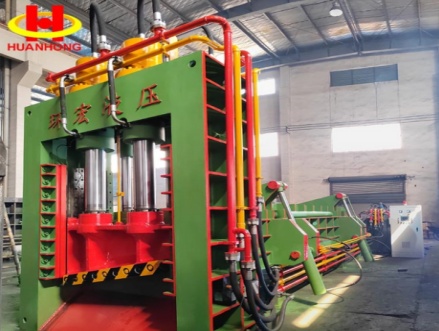
Heavy scrap gantry shears are vital machines in scrap metal recycling facilities, helping to process large volumes of heavy metal waste by cutting scrap materials into manageable sizes. These machines are designed to handle tough materials, including steel beams, pipes, and large metal structures. However, while these machines provide significant advantages in terms of efficiency and productivity, they also come with challenges that operators must overcome to maintain smooth operation and maximize their lifespan.
At Jiangsu Huanhong Hydraulic Co., Ltd., we understand that these challenges are an inevitable part of operating heavy scrap gantry shears. By providing innovative solutions and expert guidance, we help our clients ensure their machines perform at their best. In this article, we will address some of the most common challenges faced when operating these powerful machines and offer practical solutions to overcome them.
1. Problem: Hydraulic System Failures
The hydraulic system is the heart of any heavy scrap gantry shear, responsible for providing the necessary pressure to cut and crush tough scrap materials. However, hydraulic failures are among the most common issues operators face. These failures can stem from various causes, including improper maintenance, oil contamination, or excessive load.
Regular maintenance and proper monitoring of the hydraulic system are crucial to preventing failures. Operators should regularly check the hydraulic oil for contamination, as dirt or moisture can cause damage to the system. Moreover, using high-quality hydraulic oil and ensuring proper filtration can significantly reduce the risk of contamination. Routine checks should also include inspecting hoses and fittings for leaks or damage. Additionally, the hydraulic pump should be tested for pressure to ensure it is operating at optimal levels. The machine’s pressure relief valve should also be calibrated regularly to avoid overloading, which can stress the system.
Issue | Solution |
Low hydraulic pressure | Regularly check and maintain hydraulic fluid levels, inspect for leaks, and test the system’s pressure to ensure it’s within the required range. |
Hydraulic fluid leaks | Inspect hoses, seals, and fittings regularly, and replace any damaged components immediately to prevent further leaks. |
Overheating | Ensure that the hydraulic cooling system is functioning properly, and regularly clean the system’s filters to prevent blockages. |
2. Problem: Excessive Wear and Tear on Cutting Blades
The cutting blades of a gantry shear are subjected to extreme forces, especially when cutting through tough and dense materials like steel and metal beams. Over time, these blades experience wear and tear. When the blades become dull, they can no longer perform optimally, leading to poor cut quality, increased energy consumption, and slower production rates. This also causes the machine to overwork, putting unnecessary strain on the system and increasing the risk of breakdowns.
Regular inspection and maintenance of the cutting blades are critical to ensuring optimal performance and reducing excessive wear. Blade wear is inevitable, but early detection and addressing the issue before it becomes severe can significantly extend the life of the blades. Operators should frequently check the cutting edges for signs of dullness, cracks, or other forms of damage. Once these signs are detected, the blades should be sharpened or replaced. The frequency of inspection and maintenance may vary depending on the material being processed and the severity of the wear.
Additionally, proper sorting and cleaning of the scrap material before feeding it into the machine can prevent contaminants, such as dirt and concrete, from causing unnecessary strain on the cutting blades. Contaminants increase the hardness of the scrap, requiring more force to cut through, thus accelerating blade wear.
Another solution is investing in high-quality, durable cutting blades made from hard-wearing materials that can withstand the stress of cutting through tough metals. These blades offer prolonged use and provide better cutting performance over time, reducing the frequency of maintenance and replacement.
Issue | Solution |
Blade wear | Regularly inspect blades for wear, sharpen or replace them as necessary to maintain cutting efficiency. |
Contaminants in the material | Ensure that materials are well sorted and free of debris to reduce strain on the blades. Regular cleaning and sorting are essential. |
Blade misalignment | Check blade alignment regularly and adjust as needed to prevent uneven cuts, which can affect machine efficiency and result in further blade damage. |
3. Problem: Material Handling Difficulties
Handling heavy and large pieces of scrap metal is one of the most challenging aspects of operating a heavy scrap gantry shear. Improper material handling can lead to operational difficulties, such as blockages, inefficient processing, and unnecessary strain on the machine. In some cases, large pieces of scrap metal can become stuck in the machine, causing delays and requiring costly intervention to clear the blockage.
To address material handling issues, proper sorting and preparation of scrap materials are essential. Before feeding scrap metal into the machine, ensure that it is well-sorted and free of contaminants that can cause strain on the cutting system. This includes removing any large, bulky pieces of scrap or cutting them into smaller, manageable sections before feeding them into the gantry shear. By doing this, operators can minimize the risk of blockages and ensure smooth feeding into the compaction chamber, allowing the machine to process scrap metal efficiently.
Additionally, training operators to recognize potential issues related to material handling and educating them on the importance of sorting and preparing scrap properly will further help reduce material handling problems.
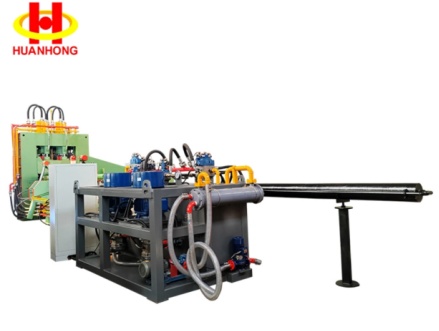
4. Problem: Energy Efficiency and High Operating Costs
Operating a heavy scrap gantry shear consumes a significant amount of energy, especially when processing large volumes of metal. High energy consumption can lead to increased operating costs, which may affect the profitability of the operation in the long term.
To improve energy efficiency, operators should ensure that the machine is running at optimal pressure levels and avoid unnecessary idling. Regular maintenance, including oil changes, proper lubrication, and system checks, can also reduce energy consumption and improve the overall efficiency of the machine.
Upgrading to more energy-efficient models or adding energy-saving features, such as variable frequency drives (VFDs), can help lower energy consumption. These features reduce the power required to operate the machine, contributing to long-term savings and more sustainable operations.
Issue | Solution |
High energy consumption | Regularly maintain the machine, upgrade to energy-efficient models, and incorporate VFDs to lower consumption. |
Idle time and inefficiency | Minimize idle time, use the machine efficiently, and optimize operational processes. |
5. Problem: Safety Concerns
Heavy scrap gantry shears involve high-speed moving parts, powerful hydraulic systems, and the handling of heavy materials. Without proper safety measures, operators are at risk of injury, and the risk of accidents increases significantly.
Safety is paramount in any industrial environment, and strict safety protocols should always be followed when operating a gantry shear. Installing safety barriers, emergency stop buttons, and monitoring systems can help prevent accidents. Operators should also undergo regular safety training to ensure they understand how to operate the machine safely and effectively.
In addition, regular inspections of safety features such as sensors, interlocks, and emergency stops are essential to ensure that they are functioning properly.
Issue | Solution |
Safety risks | Install safety barriers, emergency stops, and ensure regular safety training for operators. |
System failures | Conduct regular safety checks on sensors, interlocks, and emergency stops. |
Conclusion
Operating a heavy scrap gantry shear presents several challenges, from hydraulic failures to safety concerns. However, with the right maintenance practices, advanced technologies, and proper operator training, these challenges can be effectively addressed. At Jiangsu Huanhong Hydraulic Co., Ltd., we offer cutting-edge solutions designed to tackle these common problems and enhance the performance and longevity of your gantry shear. Our products are built to meet the highest standards of efficiency, safety, and durability, helping you maximize your productivity and reduce operational costs.
To learn more about how our heavy scrap gantry shears can improve your recycling operations, we invite you to contact Jiangsu Huanhong Hydraulic Co., Ltd. for more information. We are here to help you solve your machine challenges and optimize your production process.
FAQ Section
Q1: What is the most common cause of hydraulic system failure in a gantry shear?
A1: The most common causes include hydraulic oil contamination, excessive load, and inadequate maintenance. Regular monitoring and maintenance are key to preventing hydraulic failures.
Q2: How can I improve the lifespan of the cutting blades on a gantry shear?
A2: Regular sharpening, using high-quality blades, and ensuring proper material sorting and preparation before feeding into the machine can extend blade life.
Q3: What is the best way to prevent material jams in the gantry shear?
A3: Proper material sorting, using automated feeding systems, and ensuring the materials are broken down into manageable sizes before feeding into the machine can help prevent jams.
Q4: How can I reduce energy consumption when operating a gantry shear?
A4: Regular maintenance, avoiding unnecessary idling, and upgrading to energy-efficient machines or adding features like variable frequency drives (VFDs) can help reduce energy consumption.


