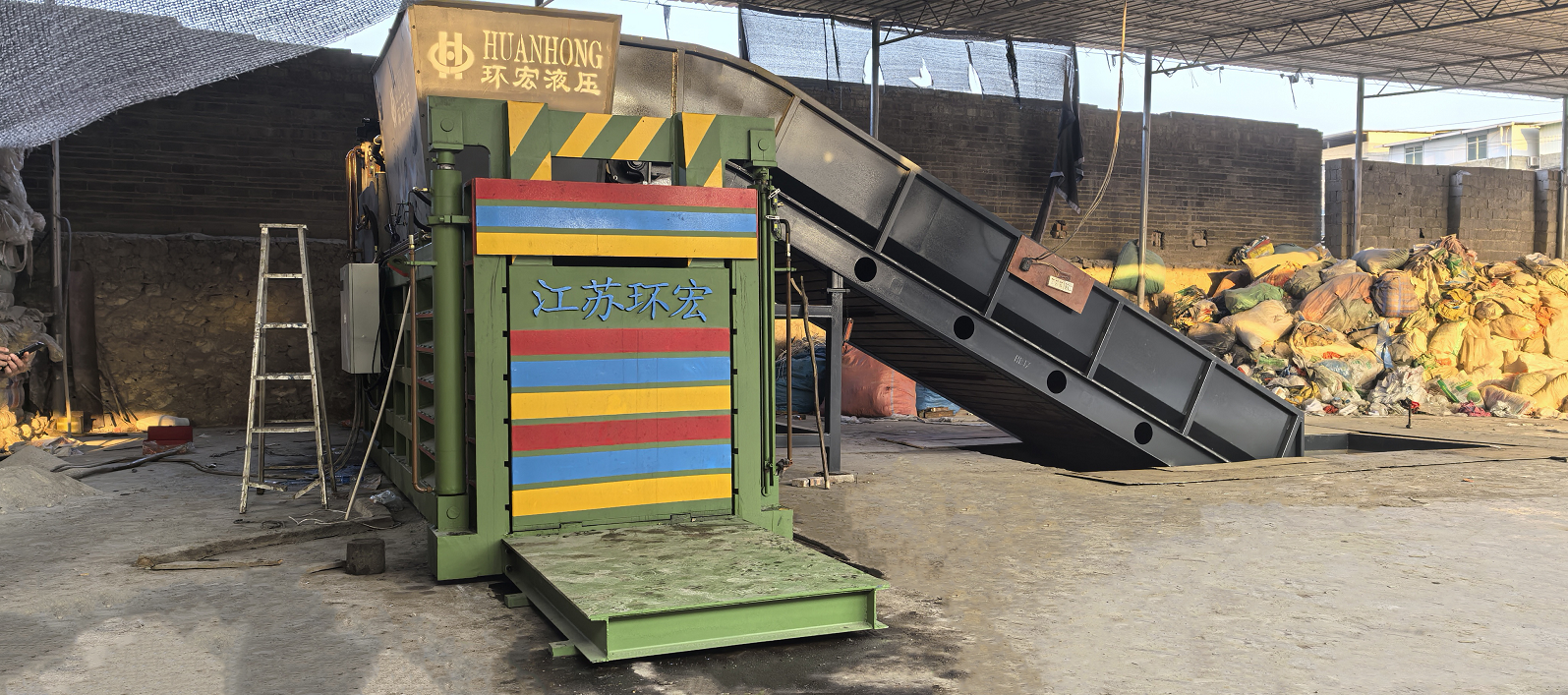
As the demand for more sustainable waste management solutions continues to grow, businesses and recycling facilities are increasingly turning to advanced machinery that can handle and efficiently process large volumes of recyclable materials. One such solution is the hydraulic waste cardboard and plastic baler, a machine designed to compress and compact recyclable materials into dense, manageable bales for easier handling, storage, and transportation. This process not only makes recycling more efficient but also reduces the environmental impact by promoting resource conservation.
At Jiangsu Huanhong Hydraulic Co., Ltd., we are proud to offer state-of-the-art hydraulic balers that can process a wide range of recyclable materials. These machines are specifically engineered to handle materials such as cardboard and plastic, which are commonly found in waste streams and recycling centers.
1. Cardboard: The Most Commonly Processed Material
Cardboard is one of the most common materials found in both residential and commercial waste streams. From packaging boxes to food containers, cardboard is ubiquitous and often requires processing before it can be reused or sent for recycling. Hydraulic balers are particularly effective at handling cardboard due to its flexible and compressible nature.
Why Hydraulic Balers Are Ideal for Cardboard:
Cardboard is relatively lightweight but can take up a significant amount of space when disposed of in its bulky form. Hydraulic balers use powerful compression mechanisms to reduce the volume of cardboard waste, creating compact bales that are easy to store and transport. The hydraulic pressure applied by these machines ensures that the cardboard is tightly compressed, which increases its value in the recycling process. By forming cardboard into dense bales, recycling facilities can optimize storage space, reduce labor costs, and streamline transportation to recycling plants.
Materials Included in Cardboard Waste:
Corrugated boxes
Food packaging (pizza boxes, beverage cartons)
Office paper products (file folders, paperboard)
Shipping boxes
Paperboard from retail packaging
Using a hydraulic baler to process these materials allows recycling plants to efficiently handle large quantities of cardboard, reducing waste and conserving resources.
2. Plastic: Managing Various Types of Plastic Waste
Plastic waste, particularly from packaging materials, has become one of the most significant environmental challenges in modern waste management. As plastic usage continues to increase in consumer and industrial products, so does the amount of plastic waste generated. Packaging plastics, in particular, such as those found in bottles, bags, and containers, often contribute to large volumes of waste that end up in landfills or the oceans, causing significant environmental harm. As public awareness of plastic pollution grows, proper recycling of plastic materials has become a crucial part of the solution to this global issue.
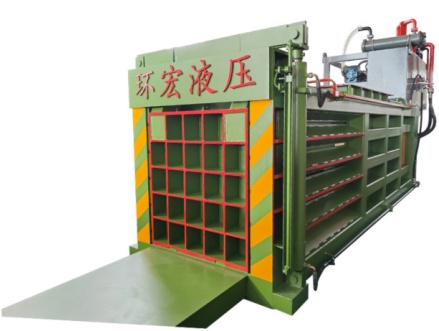
Hydraulic waste cardboard and plastic balers have emerged as an effective solution for managing plastic waste. These machines are capable of compressing and compacting various types of plastic into dense, uniform bales that are easier to handle, store, and transport to recycling centers for further processing. The challenge with plastic waste is that while it is lightweight, its bulky nature takes up considerable space, which complicates efficient waste management. Hydraulic balers address this problem by applying significant pressure to reduce the volume of plastic waste, making it more manageable and reducing the need for extensive storage space.
Why Hydraulic Balers Are Ideal for Plastic:
The compacting ability of hydraulic balers allows recycling facilities to process large amounts of plastic waste efficiently. By compressing plastic materials such as PET, HDPE, and LDPE into tightly packed bales, hydraulic balers help improve the operational efficiency of recycling centers. These compact bales take up much less space, making them easier to store and transport, which optimizes logistics and reduces associated costs.
Another key advantage of hydraulic balers is their ability to apply consistent pressure during the baling process. This ensures that the plastic waste is compacted evenly, reducing its volume and making it easier to handle in the next stages of the recycling process. The consistent pressure also ensures that the quality of the bales is uniform, which is critical for maintaining efficiency and ease of processing at recycling facilities.
Materials Included in Plastic Waste:
PET bottles (commonly used for soft drinks, water, and other beverages)
HDPE containers (milk jugs, detergent bottles)
Plastic film and wrap (e.g., shrink wrap, plastic bags)
Plastic containers (food containers, packaging materials)
By using hydraulic balers to process these plastics, recycling centers can streamline their operations and contribute to reducing plastic pollution. These machines help maximize the value of recycled plastic, improving recycling efficiency while supporting sustainable waste management practices.
3. Mixed Paper Products: Efficient Sorting and Processing
In addition to cardboard, mixed paper products are another significant part of the recycling stream. These materials, which include magazines, newspapers, and office paper, often need to be separated from other waste streams before they can be recycled. Hydraulic balers are designed to handle a range of paper products, compacting them into manageable bales for easy transportation to paper mills.
Why Hydraulic Balers Are Ideal for Mixed Paper:
The ability to process mixed paper materials effectively makes hydraulic balers a versatile tool in recycling operations. The compaction process ensures that paper is tightly packed, reducing the overall volume and improving efficiency in the recycling process. Hydraulic balers can also handle materials with varying thicknesses, from lightweight newspapers to thicker catalogs, ensuring consistent bales for processing.
Materials Included in Mixed Paper Waste:
Processing mixed paper waste with hydraulic balers not only improves storage and transportation but also helps reduce the impact of paper waste on landfills.
4. Non-Ferrous Metals: Baling and Preparing for Recycling
Hydraulic balers are also capable of handling non-ferrous metals such as aluminum and copper. These materials are often found in packaging, electronics, and automotive parts. While not as common as cardboard or plastic, non-ferrous metals are valuable in the recycling process because they can be melted down and reused to create new products. Hydraulic balers can compact these metals into dense bales, which makes them easier to handle and transport.
Why Hydraulic Balers Are Ideal for Non-Ferrous Metals:
The compacting power of hydraulic balers helps to reduce the volume of non-ferrous metals, which are typically lightweight but bulky. This allows recyclers to handle these materials more efficiently and prepare them for the smelting process. By using hydraulic balers, recycling facilities can increase the value of non-ferrous metals by improving their compactness and purity before they are sent to specialized recycling plants.
Materials Included in Non-Ferrous Metal Waste:
Using hydraulic balers to process these materials helps reduce waste and promotes the circular economy by making non-ferrous metals more accessible for reuse.
5. Textiles and Fabrics: Processing for Reuse
While not as commonly associated with balers, textiles and fabrics are increasingly being recycled to reduce waste in landfills. Hydraulic balers can handle fabrics and textiles, compressing them into compact bales for easier transport to textile recycling centers or secondary markets.
Why Hydraulic Balers Are Ideal for Textiles:
Textile waste, such as old clothing, curtains, and industrial fabrics, is often bulky and difficult to manage. Hydraulic balers can effectively compress these materials, reducing their volume and preparing them for further processing. By using hydraulic balers for textile recycling, businesses and recycling facilities can contribute to sustainable practices by ensuring that fabrics are properly sorted and recycled.
Materials Included in Textile Waste
Textile Waste Type | Description |
Old Clothing | Worn garments, often sorted for reuse or recycling. |
Industrial Textiles | Fabrics used in manufacturing, such as in the automotive industry. |
Upholstery Fabrics | Materials used for furniture covers, often requiring recycling. |
Worn-Out Linens | Used bed sheets, towels, and other household linens. |
Conclusion
Hydraulic waste cardboard and plastic balers are essential tools in recycling operations, capable of processing a wide range of recyclable materials, including cardboard, plastic, mixed paper, non-ferrous metals, and textiles. By efficiently compacting these materials into uniform bales, hydraulic balers help improve storage, transportation, and overall recycling efficiency. At Jiangsu Huanhong Hydraulic Co., Ltd., we offer cutting-edge baling solutions that optimize your recycling processes, reduce waste, and promote sustainability.
For more information about our hydraulic waste cardboard and plastic balers, and how they can help improve your recycling operations, we encourage you to contact Jiangsu Huanhong Hydraulic Co., Ltd. We are committed to providing the best solutions to meet your needs and ensure the long-term success of your recycling efforts.
FAQ Section
Q1: Can hydraulic balers process both cardboard and plastic?
A1: Yes, hydraulic balers are designed to process both cardboard and plastic efficiently. These materials are compressed into dense bales, making them easier to handle and transport for recycling.
Q2: How often should the blades on a hydraulic baler be maintained?
A2: Blades should be inspected regularly for wear and sharpened as needed. Proper maintenance ensures the baler operates efficiently and extends the lifespan of the equipment.
Q3: Are hydraulic balers energy-efficient?
A3: Yes, hydraulic balers are designed to be energy-efficient, providing high compression force with minimal energy consumption. This helps reduce operational costs in recycling facilities.
Q4: What types of plastic can be processed by hydraulic balers?
A4: Hydraulic balers can process a variety of plastics, including PET, HDPE, and LDPE. The machine's pressure can be adjusted to handle different plastic materials effectively.


