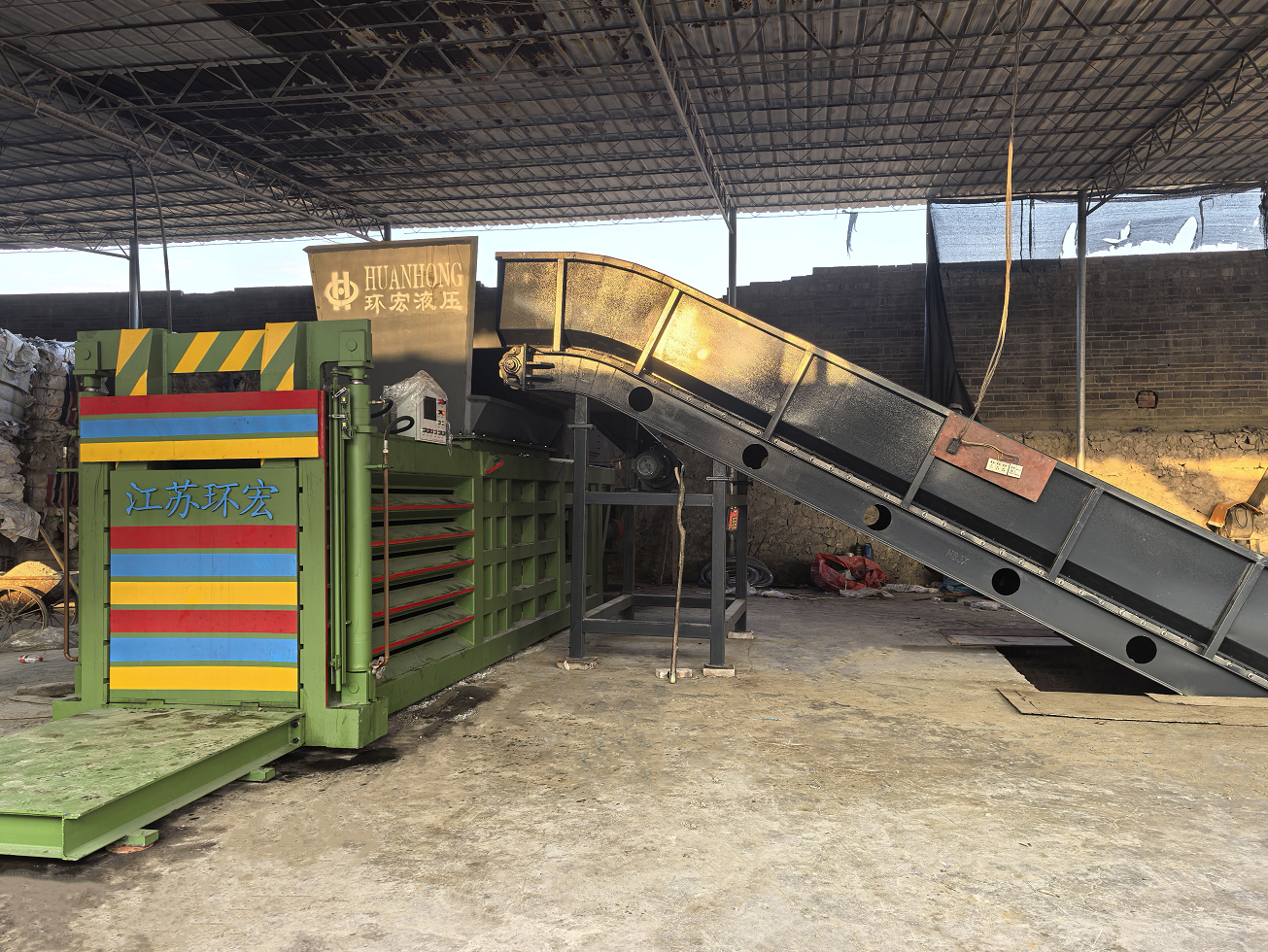
In today’s fast-paced industrial and commercial environments, efficiency in waste management is more critical than ever. As businesses deal with increasing amounts of waste materials like cardboard and plastic, the need for effective waste compaction systems has become essential for optimizing storage space and improving operational workflows. Hydraulic waste cardboard and plastic balers have emerged as powerful tools in warehouse management, offering significant benefits in terms of both cost savings and environmental sustainability.
At Jiangsu Huanhong Hydraulic Co., Ltd., we’ve seen firsthand how hydraulic balers are transforming warehouse operations. These machines are not just about compressing waste; they are integral to streamlining processes, reducing labor costs, and increasing recycling efficiency. In this article, we will explore the importance of hydraulic waste cardboard and plastic balers in warehouse management, and how these machines contribute to better organization, cost-effectiveness, and overall operational efficiency.
What Are Hydraulic Waste Cardboard and Plastic Balers?
Hydraulic waste cardboard and plastic balers are machines designed to compress large amounts of waste materials such as cardboard, plastic bottles, and packaging into compact bales. These bales are easier to store, transport, and recycle, offering both space-saving and environmental benefits.
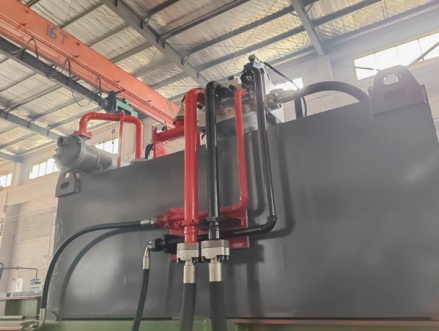
The hydraulic mechanism ensures a high level of compression, allowing the baler to compact waste materials into tightly bound, uniform bales. These bales can then be recycled more efficiently or sent for disposal in an organized and compact form.
How They Work
Hydraulic Pressure: The machine uses hydraulic pressure to compress the materials, which helps achieve high-density bales.
Automatic Cycle: Many modern balers feature automatic systems that allow for continuous loading and pressing, reducing the need for manual labor.
Variable Bale Sizes: Depending on the model, these balers can create different bale sizes, making them versatile for various types of waste material.
Types of Hydraulic Balers
Type of Baler | Key Features | Applications |
Vertical Baler | Compact design, manual or automatic operation | Small to medium-sized businesses with limited space |
Horizontal Baler | Larger capacity, higher output, automatic feed | Large-scale warehouses, recycling centers |
Heavy-duty Baler | Suitable for thick plastic, metals, and other tough materials | Industrial plants, waste management facilities |
The Impact of Hydraulic Balers on Warehouse Management
Efficient warehouse management is critical for businesses that need to maximize storage space, minimize waste disposal costs, and improve recycling efficiency. Hydraulic waste balers, particularly for materials like cardboard and plastic, have a significant role in transforming the way warehouses manage their waste. These machines not only improve operational efficiency but also contribute to a more sustainable and safer working environment. In this section, we explore how hydraulic balers can positively impact warehouse management.
1. Maximizing Space Efficiency
In any warehouse, storage space is one of the most valuable resources. Waste materials, especially cardboard boxes and plastic packaging, can quickly accumulate and occupy a considerable portion of that space. If waste is not effectively compacted, it can create clutter and hinder inventory management.
Hydraulic balers help by compressing these materials into compact, dense bales. This reduction in volume allows for more efficient use of warehouse space, making it easier to store more goods or organize inventory more effectively. Instead of storing bulky, loose waste materials, you can stack compact bales, freeing up valuable floor space.
For smaller businesses or those with limited space, vertical balers are an excellent option. These machines can handle moderate amounts of cardboard and plastic, allowing businesses to reclaim valuable space without requiring major infrastructure changes. On the other hand, larger warehouses or facilities with higher volumes of waste benefit from horizontal balers, which provide greater bale density and efficiency. These balers reduce the need for frequent removal of waste materials, enabling businesses to operate smoothly for longer periods without interruptions.
2. Reducing Waste Disposal Costs
Waste disposal and transportation can be costly for businesses. If waste is not properly compacted, it requires frequent pickup and transportation, increasing operational expenses. Hydraulic balers help reduce these costs by converting large volumes of waste into compact bales, which are easier to handle, store, and transport. By minimizing the frequency of waste collection, businesses can significantly cut down on disposal costs.
In addition to lowering transportation expenses, compacted bales can be sold to recycling companies at higher rates compared to loose waste materials. Many recycling facilities prefer bales because they are easier to process and handle, making them a more attractive option for recycling partners. This provides businesses with the opportunity to recover some of their waste disposal costs by reselling the compressed materials. For industries like retail, manufacturing, and logistics, using balers can result in substantial long-term savings.
3. Improving Recycling Efficiency
As environmental concerns continue to rise, businesses are increasingly focused on improving their recycling efforts. Hydraulic balers play a vital role in this effort by compressing waste materials like cardboard and plastic into uniform bales. The uniformity of the bales makes it easier for recycling companies to process and separate materials, increasing the overall recycling rate and making it simpler to meet environmental regulations.
4. Enhancing Workplace Safety
Waste materials such as cardboard boxes and plastic packaging are not only a space concern but also a safety risk in warehouse environments. When left unorganized, waste materials can block aisles, create trip hazards, or even cause machinery malfunctions. Hydraulic balers help address these issues by compressing waste into manageable bales that can be stacked in designated areas.
5. Sustainability and Environmental Impact
With businesses facing increasing pressure to adopt sustainable practices, hydraulic balers offer a solution that helps reduce waste sent to landfills and supports a circular economy. By efficiently compacting and recycling cardboard, plastic, and other materials, hydraulic balers contribute to reducing the volume of waste that ends up in landfills. This not only helps businesses meet environmental regulations but also contributes to long-term sustainability goals.
How to Choose the Right Hydraulic Waste Cardboard and Plastic Baler
When selecting a hydraulic waste cardboard and plastic baler for your warehouse, several factors should be considered to ensure the machine meets your specific needs.
1. Material Handling Capacity
Different balers have varying capacities for handling different volumes of waste materials. It’s essential to assess your warehouse’s waste output and choose a machine that can handle your specific volume. For smaller operations, a vertical baler may be enough, while larger businesses may need a horizontal baler with a higher throughput.
2. Bale Size Requirements
The size of the bales you need to produce will depend on your warehouse space and how you intend to store or transport the bales. Some balers offer adjustable bale sizes, which can be a useful feature if you need to change the size based on available storage or transport options.
3. Automation Features
Automatic balers are more efficient as they reduce the need for manual intervention. Look for a baler with automatic feeding, pressing, and ejection systems to optimize the process. These systems can significantly reduce labor costs and improve operational efficiency in large-scale operations.
4. Ease of Maintenance
Like any industrial equipment, hydraulic balers require regular maintenance to ensure optimal performance. Choose a machine that is easy to maintain and has readily available spare parts. Ensure that your supplier provides comprehensive support services, such as troubleshooting and servicing, to minimize downtime.
5. Energy Efficiency
Energy consumption is a key consideration for any machine. Hydraulic balers vary in their energy usage, so selecting an energy-efficient model can help reduce operational costs. Look for machines that are designed to operate with minimal energy consumption without sacrificing performance.
Final Thoughts
Hydraulic waste cardboard and plastic balers play a vital role in optimizing warehouse management by improving space efficiency, reducing disposal costs, enhancing recycling, and promoting workplace safety. These machines offer an effective solution for businesses looking to streamline waste management processes, reduce their environmental impact, and improve overall operational efficiency.
From our experience as a leading manufacturer in hydraulic machinery, we understand that selecting the right baler is crucial to achieving these benefits. At Jiangsu Huanhong Hydraulic Co., Ltd., we offer a range of high-quality hydraulic balers designed to meet the unique needs of various industries. If you are looking to improve your warehouse waste management system or need more information on hydraulic baling solutions, you can contact us to explore our products and get expert guidance tailored to your needs.
FAQ
1. What is the primary benefit of using a hydraulic waste baler in a warehouse?
A hydraulic waste baler helps compress waste materials like cardboard and plastic into compact bales, saving space, reducing waste disposal costs, and improving recycling efficiency.
2. How does a hydraulic baler improve recycling rates?
Hydraulic balers create uniform, compact bales that are easier for recycling companies to handle, transport, and process, improving the overall recycling rate.
3. Can hydraulic balers handle both cardboard and plastic?
Yes, most hydraulic balers can efficiently process both cardboard and plastic, making them versatile for businesses that generate mixed waste.
4. What factors should be considered when selecting a hydraulic baler?
Consider factors such as material handling capacity, bale size requirements, automation features, maintenance needs, and energy efficiency when selecting a hydraulic baler for your warehouse.


