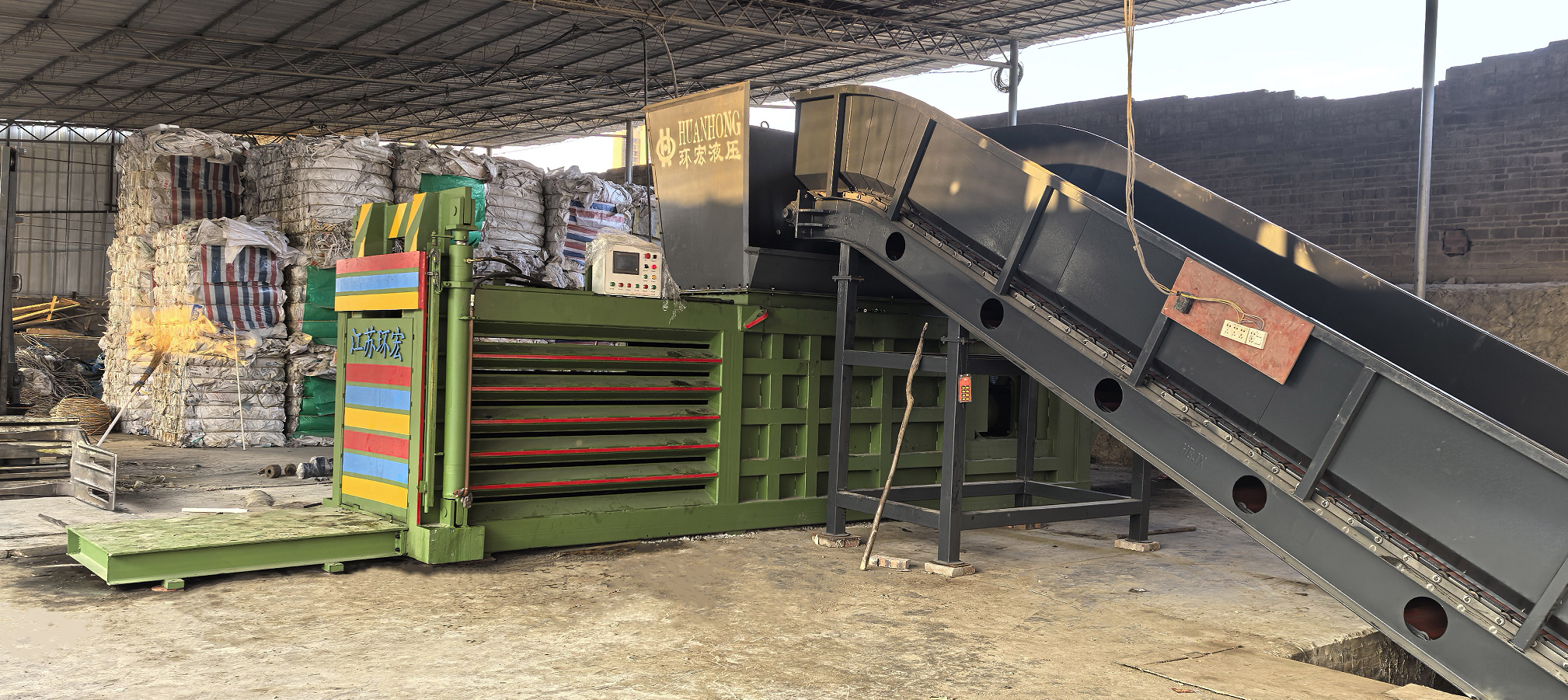
In today's fast-paced industrial world, waste management plays a critical role in maintaining a clean and organized environment. One of the most effective solutions for managing large quantities of cardboard and plastic waste is the hydraulic waste cardboard and plastic baler. These machines are designed to compress and bind waste materials into manageable bales that can be easily handled, stored, and transported for recycling or disposal. As a leading manufacturer of hydraulic balers, we understand that the efficiency and longevity of these machines depend not only on their design but also on proper operation and maintenance. In this article, we’ll walk you through the basic operating steps for hydraulic balers and offer some practical tips to ensure that your equipment operates smoothly and safely, while also maximizing productivity and minimizing downtime.
What is a Hydraulic Waste Cardboard and Plastic Baler?
A hydraulic waste cardboard and plastic baler is a machine that uses hydraulic pressure to compress and bind waste materials such as cardboard, plastic, and paper into compact bales. These bales make it easier to store and transport recyclable materials, reducing the overall space required for waste and improving handling efficiency.
Key components of a hydraulic baler include:
Hydraulic system for compression
Bale chamber where materials are compacted
Feeding system for loading materials
Baling mechanism that secures the bale with wire or straps
Control system to operate the machine
Hydraulic balers are commonly used in industries like manufacturing, packaging, and recycling, where large volumes of cardboard and plastic waste are generated.
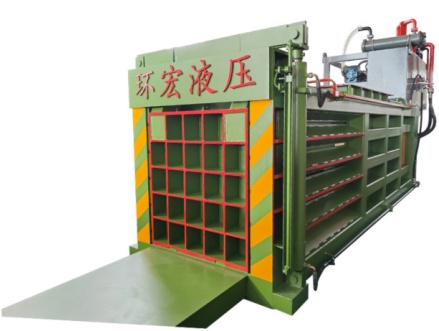
Basic Operating Steps for Hydraulic Waste Cardboard and Plastic Balers
Operating a hydraulic waste cardboard and plastic baler is straightforward, but to achieve optimal results, it’s essential to follow the correct procedure. Hydraulic balers are powerful machines used to compress and bind waste materials such as cardboard and plastic into compact, easily manageable bales for storage, transport, and recycling. Proper operation ensures maximum efficiency, reduced downtime, and prolonged machine life. Below are the basic steps to follow for efficient baler operation:
1. Prepare the Baler
Before starting any baling operation, it is critical to ensure the machine is in good working condition. Conduct a pre-operation inspection to avoid any mechanical issues that could disrupt the baling process. Key checks include:
Hydraulic fluid levels: Make sure the hydraulic system has enough fluid for efficient operation. Low hydraulic fluid levels can lead to machine malfunction or reduced pressure, affecting the baling process.
Visible damage or wear on machine parts: Inspect the machine for any signs of damage, wear, or malfunction, including checking hydraulic hoses, the ram, and any moving parts for proper alignment.
Clear feeding area: Ensure that the area around the feeder is clean and free of any blockages. This helps ensure smooth loading and prevents jams or interruptions during operation.
Proper wire or strapping setup: Check that the wire or strapping system is ready to secure the bale once it’s compacted. Ensure that the strapping materials are properly loaded into the machine.
2. Load the Materials
Once the baler is prepped and ready for use, load the cardboard or plastic waste into the feeder or hopper. It’s important to evenly distribute the materials to avoid overloading one side of the machine, which could cause jams. If there are larger pieces of cardboard or plastic, break them down into smaller, more manageable pieces to facilitate smoother processing.
3. Start the Compression Process
After the materials are properly loaded, activate the hydraulic compression system. The hydraulic ram will begin pushing the waste materials into the bale chamber, compressing them into a dense, compact form. Depending on the model of your baler, the compression cycle may be automatic or manual. Adjust the machine settings according to the specific material you’re processing, ensuring the compression is consistent and sufficient to form a compact, solid bale.
4. Monitor the Baling Process
As the material is being compressed, monitor the machine closely to ensure the compression is happening smoothly and that there are no blockages in the system. If the machine doesn’t automatically adjust the compression cycle, it’s important to monitor it manually and stop the cycle once the bale reaches the desired size. Keeping a close watch on the process helps prevent overloading and ensures the quality of the final bale.
5. Secure the Bale
Once the bale is properly compressed, activate the baling mechanism, which may be a wire-tying or strapping system. The mechanism secures the bale tightly to prevent it from falling apart during handling or transport. It’s essential to ensure the bale is tightly bound—loose bales can be unstable and difficult to manage during the storage or transportation phases.
6. Unload the Bale
After the bale is securely tied or strapped, it’s time to unload it. Open the chamber and remove the bale from the machine. Depending on the design of the baler, you may need to manually push the bale out or use a mechanical arm to lift it. Ensure that the bale is moved to a safe, organized location for storage or further processing, and avoid leaving it in the machine for too long to prevent damage.
Tips for Efficient and Safe Baler Operation
To maximize the efficiency and lifespan of your hydraulic waste baler, follow these helpful tips:
1. Use Appropriate Materials
Make sure that the materials you are baling are suitable for the machine. Some balers are designed specifically for cardboard, while others can handle a variety of materials, including plastic and paper. Avoid mixing incompatible materials that may cause jams or damage the machine.
2. Keep the Baler Well-Maintained
Regular maintenance is essential to ensure that the hydraulic system operates smoothly and that the machine remains reliable over time. Check hydraulic fluid levels regularly and inspect hoses, cylinders, and other components for wear and tear.
3. Train Operators
Proper training is crucial for the safe and efficient operation of hydraulic balers. Ensure that all operators understand how to use the machine, how to troubleshoot common issues, and how to handle the materials safely.
4. Avoid Overloading
Do not overload the machine with too much material at once. This can lead to jams and reduce the baler’s efficiency. Instead, feed the material slowly and consistently, allowing the baler to handle the load effectively.
5. Use the Right Bale Size
Adjust the settings to ensure that the size of the bale matches your storage or transport requirements. If the bale is too large or too small, it may be harder to handle, and the machine may not operate as efficiently.
6. Ensure Proper Ventilation
Since balers can generate heat during operation, ensure that the area around the baler is well-ventilated to prevent overheating. This is especially important in environments where the machine is used continuously for long periods.
Comparison of Hydraulic Waste Cardboard and Plastic Balers
When selecting a hydraulic waste cardboard and plastic baler, it’s essential to consider the different features and specifications. Below is a comparison table of key factors to consider:
Feature | Hydraulic Baler 1 | Hydraulic Baler 2 | Hydraulic Baler 3 |
Bale size | Adjustable | Fixed | Adjustable |
Capacity | 2 tons/hour | 1.5 tons/hour | 3 tons/hour |
Type of materials | Cardboard, plastic | Cardboard | Cardboard, paper |
Automation level | Fully automated | Semi-automated | Fully automated |
Energy efficiency | High | Moderate | High |
Choosing the right baler depends on your specific needs, such as the type of materials you handle, the volume of waste, and your efficiency requirements.
Final Thoughts
Operating a hydraulic waste cardboard and plastic baler requires an understanding of the key steps involved in the baling process, as well as the maintenance and safety considerations that keep the machine running smoothly. By following the basic operating steps and tips outlined in this guide, you can maximize the efficiency of your baler and improve your waste management practices.
At Jiangsu Huanhong Hydraulic Co., Ltd., we specialize in providing high-quality hydraulic balers designed for optimal performance and longevity. If you're looking for a reliable and efficient baling solution for your business, we invite you to explore our range of products and consult with our team to find the best fit for your needs.
FAQ
1. What materials can be processed with hydraulic waste balers?
Hydraulic waste balers are typically designed to handle materials like cardboard, plastic, paper, and some other recyclable materials. Make sure to choose a baler that matches your specific material type.
2. How often should I perform maintenance on my hydraulic baler?
Routine maintenance should be performed regularly, ideally every 200-300 hours of operation. This includes checking hydraulic fluid levels, inspecting components for wear, and cleaning the machine.
3. Can hydraulic balers be used for other types of waste?
Yes, some hydraulic balers are versatile enough to handle a variety of materials, including textiles, metal scraps, and paper. Check the manufacturer’s specifications to ensure compatibility with your waste type.
4. How can I improve the efficiency of my hydraulic baler?
To improve efficiency, avoid overloading the machine, feed material consistently, and ensure proper machine maintenance. Additionally, using the appropriate bale size for storage or transport will also help optimize operation.


