You need the right tools to run a good scrap metal recycling facility. Important types are sorting systems, processing machines, material handling tools, safety gear, and transportation vehicles. Each kind of equipment helps you recycle better, keep workers safe, and follow the rules. Using advanced solutions in your recycling process saves money and helps the environment. With the right tools, you can recycle scrap safely and get the most out of your recycling work.
Key Takeaways
Sorting equipment like magnets, eddy current separators, and metal analyzers help sort metals fast. They also make recycling better.
Processing machines, such as hydraulic shears, balers, and shredders, make recycling quick and safe. They also help workers do their jobs better.
Handling tools like cranes, forklifts, and conveyor systems help workers lift and move metal. These tools make work safer and easier.
Safety gear, including PPE and fire suppression systems, keeps workers safe. It also helps the facility follow safety rules.
Transportation vehicles and container systems help move and store scrap metal. This saves both time and money.
Sorting Equipment for Scrap Metal Recycling
Sorting equipment is very important in scrap metal recycling. These tools help you separate ferrous metals from non-ferrous metals. This makes recycling faster and keeps the metals clean. Sorting metals the right way can give you up to 40% more money than mixing them. It also stops contamination, so recycled products are better and safer for the planet.
Magnets and Magnetic Separators
Magnets and magnetic separators help you find and remove ferrous metals fast. Circular scrap magnets are big and can lift lots of mixed scrap. They are between 30 and 100 inches wide. Rectangular scrap magnets fit in small spaces and last longer because of strong steel plates. Conveyor magnetic separators, like drum separators and magnetic pulleys, sort metals automatically and work very well.
Eddy Current Separators
Eddy current separators are used to sort non-ferrous metals from other materials. These machines use magnetic forces to push away non-ferrous metals. This makes it easy to collect metals like aluminum and copper. How well these separators work depends on rotor speed, belt speed, and particle size. Ferrous metals must be removed first so the machine works best.
Metal Analyzers
Metal analyzers tell you exactly what kind of scrap you have. Mobile analyzers, like SPECTROTEST and SPECTROPORT, help you sort quickly. Stationary analyzers, such as SPECTROLAB, give detailed information about the metal. XRF and ICP-OES spectrometers are very accurate and sensitive. They help you keep high quality in your recycling work.
Manual Sorting Tools
Simple tools are important for collecting and sorting scrap. You need strong containers, like bins or barrels, to keep metals organized. Labels on each container stop mistakes and make sorting faster. Small magnets help you check if metal is ferrous or non-ferrous. Tools like hammers and pliers help you break and prepare scrap for processing. These tools make collecting scrap metal easier and keep your work neat.
Tip: Using advanced sorting technologies, like optical sorting systems and AI-powered solutions, can help you recover more metals and make your recycling facility work better.
Processing Equipment: Huanhong Hydraulic Solutions
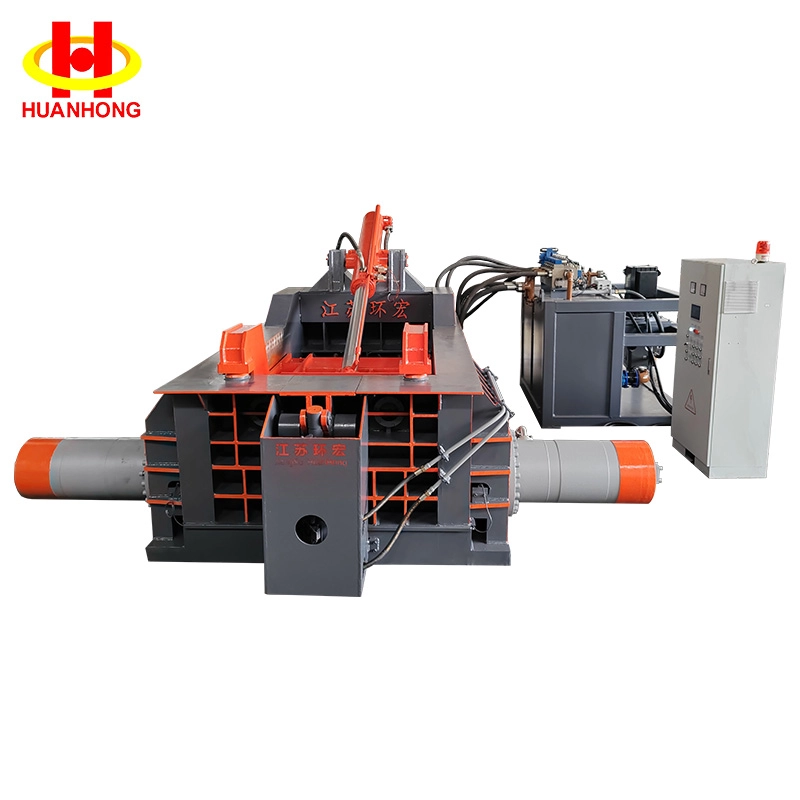
Modern recycling centers need strong machines to handle lots of scrap. These machines break big pieces of metal into smaller ones. This makes recycling safer and faster. It also saves money. Huanhong Hydraulic makes advanced machines that help with these jobs.
Scrap Metal Shear by Huanhong Hydraulic
Huanhong Hydraulic’s scrap metal shears cut big pieces of ferrous and non-ferrous metals. These machines use hydraulic power for strong cutting and good performance. The table below shows the main features and benefits:
Feature/Benefit | Description |
High Cutting Force | Reliable high cutting force increases productivity and reduces operational risks. |
Versatility | Handles diverse scrap materials, including flat sheets, tubular sections, and demolition debris. |
Reduced Labor and Enhanced Safety | Automation features like automatic feeding systems and programmable cycles reduce manual labor. |
Lower Operating Costs | Energy efficiency and reduced maintenance requirements lower lifetime costs. |
Environmental Benefits | Precision cutting minimizes waste and reduces environmental impact. |
You can use these shears for steel plates, aluminum profiles, and copper pipes. The machines have safety features like emergency stops and hydraulic protection. You can pick models with different blade lengths and power systems. This helps you find the right one for your recycling needs.
Hydraulic Balers and Briquetting Machines
Hydraulic balers and briquetting machines press scrap into tight bales. This saves space and makes moving scrap easier. You can put more scrap on trucks, so you pay less for transport. Here are the main advantages:
Hydraulic balers press big scrap into tight bales, so they are easier to move.
Baled scrap takes up less space, which saves money on storage.
You can load more scrap on trucks, so you make fewer trips.
Bales with the same shape and weight make handling and processing safer and faster.
You need fewer workers, so there are fewer accidents. Fast machines mean workers spend less time near danger. Strong bales keep scrap safe during transport and storage. These machines help waste management by making recycling better.
Shredders and Granulators
Shredders and granulators chop scrap into small pieces for more processing. You can pick different types for your recycling needs:
Shredder Type | Throughput Rate (tonnes/hour) | Description |
Single-Shaft Shredder | 2–15 | Breaks up light mixed scrap like appliance housings and aluminium cans. |
Double-Shaft Shredder | 5–30+ | Cuts heavy scrap such as car bodies and structural steel. |
Hammer Mill Shredder | 30–100+ | Makes small, even pieces, often used for cars. |
Pick machines based on the metal you recycle and how big your center is. Think about safety and plan for future growth. Look for machines that are easy to take care of. The right machines help you run a safe, fast, and successful recycling center.
Handling Equipment in Recycling Facilities
Handling equipment lets you move scrap metal fast and safely. These tools help workers do their jobs better. They also keep people from getting hurt. Moving metal with machines means less hard work for people. It also helps stop accidents. You can collect scrap faster and keep things running smoothly.
Cranes and Grapples
Cranes and grapples lift heavy scrap metal. There are different cranes for different jobs. The table below lists some crane types and what they do:
Crane Type | Features | Benefits | Typical Applications | Load Capacities |
Box Girder Steel Mill Gantry Crane | Strong box-shaped girder | Handles large loads in tough environments | Loading bulk scrap, continuous operations | 20–100 tons |
Truss Girder Steel Mill Gantry Crane | Open-web truss for strength and stability | Reliable in all weather | Moving scrap from ships and railcars | 20–100 tons |
Semi-Gantry Steel Mill Crane | One end on runway beam, other on ground track | Works well in tight spaces | Sorting, transferring scrap between areas | 20–100 tons |
Specialized Lifting Attachments | Electromagnets, grapples, clamshell buckets | Grips different shapes and sizes | Handling various types of scrap metal | N/A |
Grapples help you grab both ferrous and non-ferrous metals. These tools pick up loose or odd-shaped scrap. Using cranes and grapples means less lifting by hand. This keeps workers safer.
Forklifts and Loaders
Forklifts and loaders move scrap and bales around. These machines help you move metal quickly and safely. They have roofs and good brakes to stop accidents. The seats and controls are made for comfort and easy use. Using forklifts near piles of scrap helps stop injuries. These machines make recycling faster and safer.
Tip: Always check the brakes and steering before using forklifts or loaders. Keeping drivers comfortable and focused helps everyone stay safe.
Conveyor Systems
Conveyor systems carry scrap between machines and work areas. You can pick from different kinds:
Hinged steel belt conveyors move heavy or sharp scrap.
Magnetic conveyors move ferrous metals easily.
Slider bed conveyors are good for lighter scrap.
Chain-driven conveyors work with many materials.
Conveyors mean less lifting by hand and fewer dangers at work. You can move more scrap and keep things moving smoothly. New conveyor systems use motors that save energy and can change speed. These features help save power and money.
Conveyor systems work all day and night. They move more scrap than people can by hand. Using conveyors stops slowdowns and keeps recycling centers busy.
Handling equipment makes recycling safer and faster. You can move all kinds of scrap with less work. The right tools help you run a safe and busy recycling center.
Safety Gear and Systems for Equipment Operators
You need to keep your team safe at every step. The right safety gear and systems protect workers from harm. They also help your facility follow the rules.
Personal Protective Equipment (PPE)
You must wear PPE for each recycling job. Every item protects you from different dangers in the scrap yard. Some common PPE includes:
Protective eyewear keeps your eyes safe from flying metal, dust, and chemicals.
Steel-toed boots protect your feet from falling scrap and sharp objects. Some boots have extra-strong bottoms and guards for your feet.
Hard hats keep your head safe when things are above you or machines are moving.
Heavy-duty gloves come in many kinds. Use cut-resistant gloves for sharp metal. Wear chemical-resistant gloves for dangerous liquids. Use heat-resistant gloves for hot jobs.
High-visibility vests help machine operators see you all the time.
Respirators protect you from breathing in bad dust, chemicals, or fumes. You must check that respirators fit you well.
You may need hearing protection, face shields, coveralls, or fall protection for special jobs.
Check your PPE before you use it. Look for any damage or dirt. Keep your gear in a clean, dry place. Training helps you know how to use and care for your equipment.
Fire Suppression and Extraction Systems
Fires can happen easily in scrap metal recycling. You need strong fire systems to keep everyone safe. The table below shows how these systems help:
System or Feature | Impact on Safety |
Thermal imaging fire detection | Finds fires early and stops them from spreading. |
Early detection and suppression systems | Stop many fires and save lives and property. |
Water-saving fire suppression technology | Uses less water, so there is less mess and less harm to the environment. |
Extraction systems for battery fires | Handle lithium-ion battery dangers in metal work. |
Put these systems in all risky areas. Finding fires early and acting fast stops big problems.
Emergency Stop and Safety Controls
All recycling machines need emergency stop buttons and safety controls. These let you turn off machines quickly if something is wrong. Put emergency stops where workers can reach them fast. Test these controls often to make sure they work. Teach your team how to use them in an emergency. Good safety controls help stop accidents and keep your recycling center safe.
Tip: Check your safety gear and systems every month. Regular checks help you find problems before someone gets hurt.
Transportation Vehicles for Scrap Metal Recycling
Good transportation vehicles are very important in recycling. You need strong trucks and containers to move scrap metal. These vehicles take scrap from where it is collected to where it gets processed. Picking the right trucks makes your work safer and faster. It also helps you manage waste better.
Flatbed and Roll-off Trucks
Flatbed and roll-off trucks carry lots of scrap at once. You can load and unload them with little lifting. These trucks have many good points:
They hold a lot, so you make fewer trips. This saves gas and helps you get more done.
You can use them for many kinds of scrap. They work for metals, building waste, and other things.
Loading and unloading is quick. You spend less time moving scrap, so your work stays on schedule.
Roll-off trucks have containers you can take off. You drop off a container, fill it, and pick it up later. This keeps your recycling center neat and saves time.
Tip: Check your trucks often. Trucks that work well stop delays and keep your recycling going.
Container Systems
Container systems help you keep scrap safe and easy to move. You must pick containers that fit the kind and amount of metal you have. The right container makes moving scrap easier and helps the planet.
Some containers are made for certain metals. Use strong ones for ferrous metals and safe ones for non-ferrous metals.
Safety features meet rules from OSHA and DOT. Good weight and strong containers keep people and your center safe.
Leak-proof seals stop dangerous stuff from getting out. This keeps the earth safe and follows the rules.
Containers that do not rust last longer. You save money and help the environment.
Locks on lids stop people from stealing scrap. You keep your scrap safe and know what you have.
Labels help you see what is inside fast. Clear labels make handling safe and follow the rules.
Think about cost when picking containers. Choose the right size and how often you need pickup to save money.
Container systems help you manage waste better. Keeping containers neat makes recycling safer and faster.
Note: Always look for damage before using containers. Safe containers protect your team and keep recycling on track.
You need the right equipment to keep your recycling center running well. Good tools help you sort metal faster and save money. They also help you follow safety rules. Advanced machines like Huanhong Hydraulic’s shears and balers cut up big scrap. These machines make recycling quicker and safer. Reliable machines break down less and help you handle more scrap. You also get better recycled metal.
Think about what your recycling center needs now and in the future. Buy good equipment so your business can grow and do well for a long time.
FAQ
What is the most important equipment for a scrap metal recycling facility?
Sorting and processing machines are needed first. These tools help you separate metals. They also get metals ready for recycling. Good machines make work safer. They help you save money. You can also get more value from your recycled metals.
How do you handle high-value non-ferrous metals in your facility?
You need advanced sorting systems and analyzers. These tools help you find and separate high-value non-ferrous metals. If you handle them right, you get the best price. You also keep your metals clean and pure.
Why should you invest in hydraulic balers and shears?
Hydraulic balers and shears save you time and money. These machines press and cut scrap fast. You can move and store more metal with less work. This equipment also helps keep your team safe.
How often should you check safety gear and systems?
You should check safety gear and systems every month. Checking often helps you find problems early. This keeps your team safe and your facility working well.
What is the benefit of using conveyor systems?
Conveyor systems help you move scrap faster. These machines mean less hard work for people. They also lower the chance of getting hurt. Your recycling process stays safe and works better.


