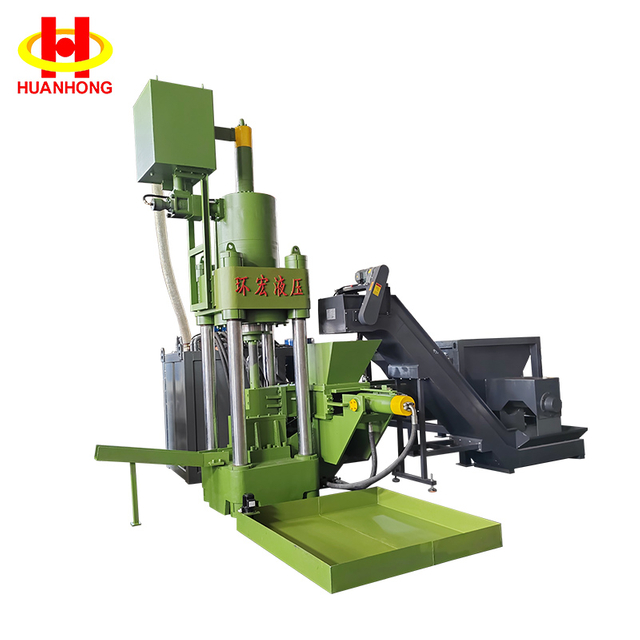
Your choice between a Metal Baler and a briquetting machine depends on your scrap type, goals, and what you want to achieve. You should think about many things before picking the best way to recycle scrap metal. Think about the kind of metal you work with, like refrigerators, ovens, cars, or cast iron skillets. The shape and thickness of the output, oil recovery, how you move the scrap, cost, and how the machine fits into your work are all important.
Type of Metal | Common Uses |
Ferrous Metals | Structural beams, car parts, food cans, home appliances |
Non-Ferrous Metals | Drink cans, electric wires, plumbing pipes, roofing, electronics |
Huanhong Hydraulic gives you both choices to help you recycle scrap metals better. This helps your operation recycle well and make your recycled materials worth more.
Key Takeaways
Pick a metal baler for big scrap like car bodies and sheets. It makes moving and storing scrap easier.
Use a briquetting machine if you have small metal chips. It presses chips into tight briquettes that save space and add value.
Think about oil recovery. Briquetting machines can get back up to 95% of oils. This helps make recycling cleaner and better.
Look at your budget and return on investment. Metal balers usually cost less to run. Briquetting machines can make more money from dense briquettes.
Plan for your operation to grow. Choose machines that can handle more recycling later. Make sure they work with your current systems.
Metal Baler Overview
What Is a Metal Baler?
A metal baler squeezes scrap metal into tight blocks. It uses hydraulic compression to do this job. You put the metal into a box. The baler pushes from different sides with strong force. This makes a small bale and pushes it out. The Y81F - 63 Scrap Metal Baler uses a hydraulic system. You can change the pressure for different metals. This helps you work with many kinds of scrap metal.
Tip: Metal balers help you store, move, and sell scrap metal. They turn loose pieces into neat shapes.
Key Benefits of Metal Balers
Metal balers give you many good things. The table below shows the main benefits:
Benefit | Description |
Storage Space Optimization | You need less storage space, up to 30% less. |
Reduced Transportation Costs | You pay less for transport, up to 20% less. |
Higher Market Value | You get more money for baled scrap, 10-20% more. |
Enhanced Workplace Safety | You make your workplace safer by removing loose metal. |
Environmental Benefits | You recycle more and lower carbon emissions. |
Operational Efficiency | You work faster and your workers do more. |
Huanhong Hydraulic Metal Baler Features
Huanhong Hydraulic metal balers are special in the market. They use high pressure, up to 16,000 kN. The balers press many types of metal into tight blocks. Smart automation makes the process faster, up to 200% more. Machines stop less often, with jams down by 92%. One person can run the baler, so others can do other jobs. Safety features include emergency stop buttons, pressure controls, guards, locks, and sensors. Sensors shut down the machine if there is a jam or too much pressure. You can change balers to fit your factory and needs.
Smart automation makes the baler work faster
High-capacity and easy to care for
Safety features keep workers safe
You can change balers for different factories
Best Use Cases for Metal Balers
Metal balers are used in many places. The table below shows where you use balers and what scrap they handle:
Industry/Application | Scrap Types Processed |
Scrap Recycling | Ferrous metals like steel and iron |
Manufacturing | Non-ferrous metals like aluminum and copper |
Metal Fabrication | Other alloys and big items |
Recycling Facilities | Oil tanks, pipes, bikes, and cars |
You can use a metal baler for steel, iron, aluminum, copper, and big metal items. Balers help you handle scrap from cars, pipes, and oil tanks. You make your recycling or factory work safer and faster.
Briquetting Machine in Recycling
What Is Briquetting?
Briquetting is when you press loose metal chips or shavings into solid shapes called briquettes. The briquetting machine takes your metal waste and makes it into thick, hard briquettes. The process has a few steps. First, you put metal scrap into a feed hopper. Next, a screw conveyor moves the scrap to a precharger chamber. The precharger squeezes the metal and pushes it into a pressing chamber. Then, the main press piston forms a tight briquette. Pressure sensors check if the briquette is dense enough. The machine also squeezes out oils or coolants so you can use them again. The finished briquette comes out, and the machine starts over. This way, your scrap is easier to handle and recycle. You can pick a vertical briquetting machine or a horizontal briquetting machine, depending on your space and how you work.
Advantages of Briquetting Machines
Briquetting and baling give your operation many good things. The table below shows the main advantages:
Advantage | Description |
Increased Value | Briquetting increases the value of metal chips, creating a steady income. |
Reduced Costs | You lower transportation, handling, and storage costs by reducing volume. |
Environmental Compliance | Briquettes are almost free of coolant, helping you meet regulations. |
Briquettes are easier and cheaper to move, store, and melt than loose scrap.
Foundries can use briquettes right in furnaces, which saves time.
Briquettes help stop oxidation and dust loss when melting.
Briquettes cost less to melt than loose chips, so you save energy and money.
Huanhong Hydraulic Briquetting Machine Features
Huanhong Hydraulic makes strong briquetting machines for big jobs. You can get vertical briquetting machine or horizontal briquetting machine models. Here are some key features:
Feature | Description |
Rated Pressure | 16,000 kN |
Material Processed | Cast iron, aluminum, copper, and more |
Output Form | High-density cylindrical blocks |
Control System | PLC controlled for easy operation |
Maintenance Costs | Low, with durable construction |
Customization | Machines tailored to your plant needs |
You can pick the vertical briquetting machine or the horizontal briquetting machine for different scrap and sizes.
Ideal Applications for Briquetting
Metal briquette machines are good for titanium chips, nickel alloys, stainless steel turnings, cobalt-based materials, magnesium alloys, superalloys, fine metal powder, and mixed special scrap. Briquetting and baling work best for places that need clean, even briquettes for melting or selling. You can use briquetting machines in recycling plants, foundries, and metal processing centers. This helps you turn waste into money and supports recycling that is good for the planet.
Side-by-Side Comparison
When you look at metal balers and briquetting machines, you notice they work differently. Each machine handles scrap in its own way. The output is not the same. Both machines have special advantages for recycling. This comparison helps you pick the best equipment for your job.
Output Form and Density
Each machine gives you different results. Metal balers make big bales of scrap metal. These bales are not as dense as briquettes. But they are easier to move and store. Briquetting machines squeeze loose metal chips into small, dense briquettes. Briquettes can be 85%–95% as dense as the original metal. This high density helps melting and stops oxidation.
Feature | Metal Balers | Briquetting Machines |
Output Form | Larger bales of scrap metal | Dense briquettes of metal chips |
Density | Generally less dense | High density (60%–85% of original) |
Main Advantage | Simplifies transportation and handling | Improves melting efficiency and reduces oxidation |
If you need dense metal for foundries, use a briquetting machine like the Huanhong Y83-1100T. If you want big bales for easy transport, the Huanhong Y81T-250 metal baler is a good pick.
Material Suitability
You need to match the machine to your scrap. Metal balers are best for big scrap like sheets, cans, and old cars. They handle lots of metal and press it into bales. Briquetting machines work better for small, loose stuff like chips and shavings. If you have mixed scrap, you might need both machines to recycle well.
Tip: Use a metal baler for big items. Use a briquetting machine for small chips and shavings.
Oil Recovery and Cleanliness
Briquetting machines are great for oil recovery. They can get back up to 95% of cutting oils and coolants from metal chips. This saves money and keeps your workspace clean. Horizontal briquetting machines are sealed so liquids do not spill. This helps keep your factory tidy. Vertical briquetting machines may drip a little, but they are still cleaner than loose scrap. Metal balers do not recover oil, so they are best for dry scrap.
Transport and Storage Efficiency
Both machines help with transport and storage by making scrap smaller. Metal balers can cut scrap volume by up to 80%. This makes bales easy to stack and load onto trucks. You take fewer trips and save fuel. Briquetting machines make even denser blocks. This saves more space and cuts down on trips. Uniform bales and dense briquettes both raise the resale value of your recycled metal.
Compress loose, bulky scrap into dense bales or briquettes
Reduce waste volume by up to 80%
Make handling, storage, and transport more efficient
Lower transportation and storage costs
Resale Value
You want to earn the most money for your scrap. Metal balers make uniform bales that sell well, especially for small and mid-sized businesses. Briquettes from briquetting machines can sell for even more per ton because they are dense and melt better. But briquetting machines cost more to run. You should think about your facility size and scrap type. For most recycling jobs, bales give a good mix of value and efficiency.
Key Differences at a Glance
Here are the main differences and advantages:
Metal balers handle big scrap and make large bales for easy transport.
Briquetting machines turn loose chips and shavings into dense briquettes.
Briquetting machines recover up to 95% of oils, making recycling cleaner.
Both machines cut scrap volume by up to 80%, but briquettes are denser.
Uniform bales and briquettes both raise resale value, with briquettes selling for the most per ton.
Pick a Huanhong Hydraulic metal baler for bulk scrap and a Huanhong Hydraulic briquetting machine for fine, oily chips.
Note: The best machine depends on your scrap, your recycling goals, and what you need for your operation.
Choosing the Right Solution
Cost and ROI
You need to think about your budget and how much money you will make back when picking metal recycling equipment. Metal balers and briquetting machines cost different amounts and pay for themselves at different times. The table below shows how much each baler type costs and how long it takes to get your money back:
Baler Type | Cost Range | Average ROI Period |
Vertical Baler | $5,000 – $30,000 | 3-4 years |
Horizontal Baler | $50,000 – $200,000 | 2-3 years |
Two-Ram Baler | $150,000 – $500,000+ | 1.5-2 years |
Closed-Door Baler | $30,000 – $100,000 | 2-3 years |
Briquetting machines usually cost more at first, but they can make more briquettes and get back more oil. You should pick a machine that matches how much scrap you have and how much your recycled metal is worth.
Maintenance and Automation
You want machines that do not break down a lot. Manual balers are easier to take care of because they have fewer parts. Automatic balers and horizontal briquetting machines need more care because they are more complicated. Huanhong Hydraulic gives you smart features like special hydraulic drives, PLC controls, and automatic feeding. These features help your team work faster and do less by hand. Safety systems like emergency stop buttons and safety doors keep everyone safe.
Integration with Existing Processes
You need machines that fit well with what you already use. Both metal balers and briquetting machines from Huanhong Hydraulic use PLC systems. These systems let you watch and change things easily. You can connect them to shredders, shears, and sorting machines. This makes your work faster, cuts down on lifting by hand, and saves money on workers. Briquetting machines can also work with dust collectors to handle tiny pieces.
Scalability for Growing Operations
Your business might get bigger, so you need machines that can grow with you. Huanhong Hydraulic lets you change things like how much the machine can press, the way it is built, and the power it uses. You can also add better safety features. These choices help your recycling work stay fast and safe as you grow.
Tip: Always check if the machine works with your scrap, how much you recycle, your space, your money, and if the company helps you before you buy.
You can trust Huanhong Hydraulic to help you and give you the right machines for any metal recycling problem.
You need to pick your metal recycling machine by looking at your scrap type, what your business wants, and the results you hope for. Huanhong Hydraulic gives you good machines that work well. They also help you with support and let you change things to fit your needs. Check the table below to see which machine matches your scrap:
Scrap Type | Best Machine | Key Challenge |
Heavy ferrous | Metal Baler | Needs high cutting force |
Light ferrous | Metal Baler | Handles variable shapes |
Non-ferrous | Briquetting Machine | Preserves material value |
Quick Decision Checklist:
Do you mostly handle loose chips or big scrap?
Do you want to get back a lot of oil?
Is saving space or using automation important to you?
What is your budget and how much do you produce?
Huanhong Hydraulic helps you pick models, change machines for your needs, teaches you how to use them, and keeps helping you after. Reach out to their team for advice that fits your operation.
FAQ
What type of scrap works best with a metal baler?
Metal balers are good for big scrap. They work well with steel sheets, car bodies, and pipes. Metal balers can handle heavy and mixed materials. You can use them for lots of ferrous and non-ferrous metals.
Can I recover oil or coolant with a briquetting machine?
You can get back up to 95% of oil and coolant from metal chips with a briquetting machine. This keeps your workspace cleaner. It also lets you reuse fluids that are valuable.
How much space do I need for these machines?
Horizontal balers and briquetting machines need more floor space. Vertical models save space and fit in small workshops. Always check the machine’s size before you buy.
Are Huanhong Hydraulic machines easy to maintain?
Huanhong Hydraulic machines are easy to take care of. They use strong parts and smart controls. Regular checks and cleaning help them run well. You can ask support for help if you need it.


