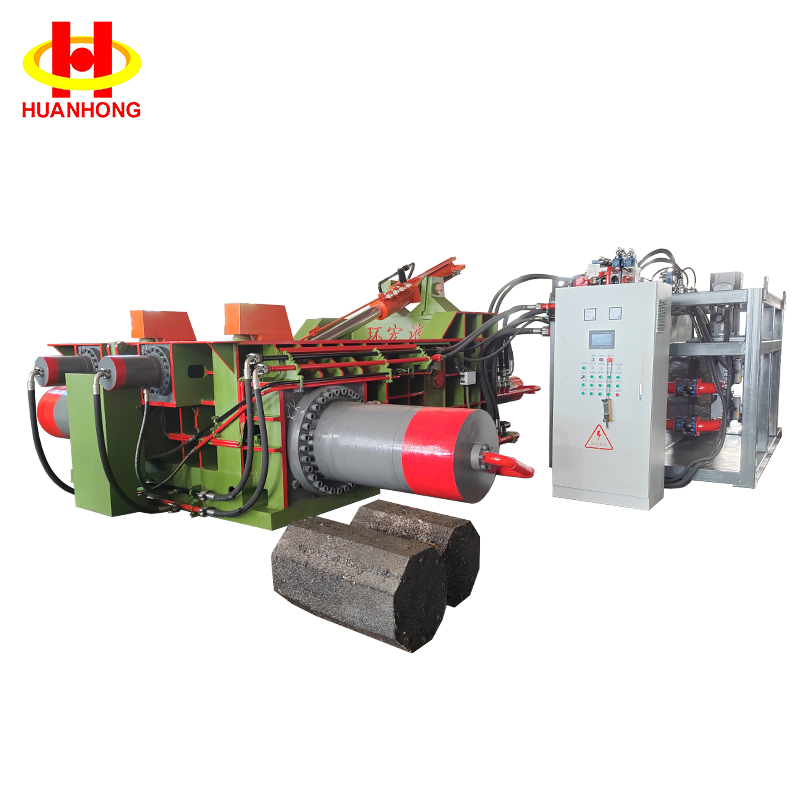
You see a bigger world market for scrap metal recycling equipment. Asia Pacific is the leader. North America is growing quickly because of new technology and strict rules. Picking the best supplier from China, like Huanhong Hydraulic, keeps you ahead in recycling. You must watch for compliance, logistics, and correct paperwork to import smoothly. The best scrap metal solution makes your business work better and adds value.
Key Takeaways
Think about what scrap metal you have. Pick the right equipment for your needs. Look at how big your business is. Check what kinds of metals you recycle.
Find and check suppliers with care. Search for trusted companies like Huanhong Hydraulic. Make sure they have good certificates. Read what other customers say about them.
Talk clearly with suppliers. Ask about delivery times. Learn about payment methods. Go over warranty terms. This helps stop confusion.
Get all customs papers ready before you import. You need invoices, packing lists, and certificates. These help your items clear customs easily.
Keep up with import tariffs and rules. Knowing these can help you avoid extra costs. It also stops delays.
Choosing Scrap Metal Recycling Equipment
Assessing Scrap Metal Needs
First, look at how much scrap metal your business has. Think about what kinds of metals you work with. The equipment you need depends on your business size and the metals you recycle. Check the table below to see which container fits your business:
Business Size | Container Type | Typical Applications |
Small-Scale (1-10 cu yd) | Smaller containers | Small construction contractors, automotive repair shops |
Medium-Scale (15-30 cu yd) | Mid-sized containers | General contractors, medium-sized manufacturing facilities |
Large-Scale (40+ cu yd) | Maximum-capacity containers | Major construction projects, large manufacturing facilities |
If you own a small repair shop, you might need compact balers. Big factories need high-capacity balers or shears from Huanhong Hydraulic. These machines can handle more scrap at once.
Types of Equipment: Baler, Briquetting Machine, Shear
There are different kinds of scrap metal recycling equipment:
Huanhong Hydraulic sells advanced balers, metal briquetting machines, and scrap metal shears. Balers press scrap into tight bales. This makes moving scrap easier. Briquetting machines squeeze loose metal chips into solid blocks. This saves space and helps furnaces work better. Scrap metal shears cut big pieces into smaller ones. This makes recycling safer and quicker.
Shear balers can cut and press scrap metal. You can use one machine for different types of scrap. This helps your work go faster and means you need fewer machines. This is good for recycling centers that get many kinds of scrap.
Matching Equipment to Industry Applications
You need to pick equipment that fits your industry. Think about how much scrap you process and how easy the machine is to use. Make sure it works with your other machines. It should be easy to grow with your business and follow rules. Huanhong Hydraulic’s machines help with metal recycling, waste management, and manufacturing. Their balers and shears work for both small and big companies. Their briquetting machines help you save valuable metals and use less storage space.
When you buy from China, you get strong and reliable machines. Picking the right scrap metal recycling equipment helps your business and keeps your recycling running well.
Importing Scrap Metal Equipment: Supplier Selection
Researching Chinese Manufacturers
You should look for good suppliers on trusted websites and in business lists. Many people find Chinese manufacturers on sites like T1 Machinery. This site shows metal recycling equipment suppliers from China and other places. You can also check companies like Puyang Mingli Petrochemical Machinery Manufacturing Co., Ltd, Jiangyin Titan Machinery Equipment Co., Ltd, and Cheng Hua Machinery Co., Ltd. These companies have made scrap metal machines for many years. Luoyang Longzhong Heavy Machinery Co., Ltd sells mining and powder-making machines to customers all over the world. You can find more choices by going to trade shows and talking to people in the industry.
Tip: Always look at a few suppliers before you choose one. Check reviews, certifications, and product information.
Vetting Huanhong Hydraulic and Other Suppliers
You need to check if each supplier is honest and does good work. Huanhong Hydraulic is a well-known company in China. They help many people with metal recycling, scrap steel, and car dismantling. Their certifications and happy customers show they care about quality. Huanhong Hydraulic sells strong balers, metal briquetting machines, and scrap metal shears. You should ask for samples, technical details, and names of other buyers. Make sure the supplier meets world standards and gives help after you buy.
Supplier Name | Years in Business | Main Products | Certifications |
Huanhong Hydraulic | 12 | Balers, Briquetting Machines, Shears | ISO, CE |
Jiangyin Titan Machinery | 18 | Hydraulic Products, Recycling Equipment | ISO |
Cheng Hua Machinery | 47 | Scrap Baling Machines | ISO |
Communication and Negotiation Tips
You need to talk clearly so there are no mistakes when you import. Ask about delivery times, how to pay, and warranty rules. Use email or instant messages to get fast answers. You should talk about prices and ask for full price lists. Make sure you know about shipping and customs rules for scrap metal. Good talking helps you trust the supplier and makes importing easier.
Note: Keep all messages and deals in your records. This keeps your business safe and helps fix problems.
Import Process for Scrap Metal Recycling Equipment
Requesting Quotes and Comparing Offers
You begin by contacting suppliers in China. First, look for trusted companies that make metal recycling equipment. Use safe websites or go to trade shows to find good suppliers. Make a list of companies with a strong reputation. Ask each one for a written quote. The quote should show all costs, machine details, and clear descriptions. This helps you see all fees and compare offers easily.
Follow these steps to make your process easier:
Find suppliers who have lots of experience in metal recycling.
Ask for quotes that show costs, features, and warranty details.
Compare offers by price, quality, support, and delivery time.
Talk about payment and check the warranty rules.
Get import permits before you finish your order.
Set up shipping with a trusted freight company.
Prepare all papers needed for customs checks.
Check the machines before they ship to make sure they are good.
Pay any taxes or duties your country needs.
Look at the equipment when it arrives and set up installation.
Tip: Always look at three offers or more. This helps you learn about the market and get the best deal for your scrap metal recycling equipment.
Negotiating Terms and Placing Orders
After you compare offers, you start to negotiate. Talk about how you will pay, when the equipment will arrive, and what the warranty covers. Many buyers use safe payment methods like letters of credit or escrow. These ways protect both you and the supplier. Confirm when the machines will be made and shipped. Make sure you agree on help after you buy, like installation and training.
When you finish talking, place your order in writing. Ask for a proforma invoice that lists the equipment, price, and terms. This paper is important for both sides and helps avoid mistakes when importing scrap metals.
Permits, Certifications, and Compliance
You need the right permits and certificates before you import scrap metal recycling equipment from China. Every country has its own rules for bringing in machines. Check with your local government to see which licenses you need. For example, the United States and Europe need special certificates for machines with electronics or safety parts.
Here is a table of common papers and certificates you may need:
Document/Certification | Description |
Commercial Invoice | Shows product details, amount, price, and sale terms for customs. |
Packing List | Lists shipment size, weight, and what is inside for customs. |
Bill of Lading/Airway Bill | Proves shipment and who owns the goods. |
Certificate of Origin | Tells which country made the product, important for trade deals. |
HS Code Classification | Special code for sorting goods and setting duties. |
Import Declaration | Says what kind, value, and origin of goods to customs officers. |
CE Certification (EU) | Shows the machine meets EU safety, health, and environment rules. |
FCC Certification (U.S.) | Needed for machines with electronics to meet U.S. rules. |
Insurance Documentation | Shows cargo insurance for damage during shipping. |
Inspection Certificates | Checks quality and rules before shipping. |
Note: If you want to import equipment for recycling iron and steel, make sure the materials follow standards like GB/T39733-2020. Customs may stop imports that do not meet national rules.
Logistics and Transportation Options
Logistics are very important when importing scrap metal recycling equipment. Pick the best shipping method for your budget, time, and order size. Ocean freight is used for big machines. Air freight is good for small or urgent shipments. Work with a trusted freight company that knows how to ship scrap metal from China. They can help you pick the best route, get cargo insurance, and deliver to your site.
Think about how to move heavy equipment from the port to your business. Some freight companies offer door-to-door service, which makes things easier. Always check who will unload and install the equipment at your place.
Tip: A good freight company or customs broker can save you time and money. They handle hard logistics and make sure your papers are correct.
Customs Documentation and Clearance
Customs clearance is the last step before you get your equipment. You must have all the right papers to avoid delays or extra costs. The main papers are the commercial invoice, packing list, bill of lading, certificate of origin, and import declaration. Customs officers use these papers to check your shipment and set duties.
Here is a table of key needs for customs clearance:
Requirement | Details |
Standards | Recycling iron and steel must meet GB/T39733-2020 for free import. |
Customs Codes | Use codes like 7204100010, 7204210010, 7204290010, 7204410010, 7204490030 for scrap metals. |
Prohibition | Customs will stop imports that do not meet national rules for recycling materials. |
Check all your papers before your shipment leaves China. Missing or wrong papers can cause delays or rejection at the border. A customs broker can help you follow all rules and make sure your papers are correct.
Note: Keep copies of all papers for your records. This protects your business and helps fix problems when importing scrap metal.
By following these steps, you can handle logistics, papers, and rules for importing scrap metal recycling equipment from China. Careful planning and checking details help you avoid problems and keep your metal recycling business working well.
Taxes, Duties, and Compliance for Importing Scrap Metal
Understanding Import Tariffs and Costs
You need to know how taxes and tariffs change your costs. Tariffs can go up or down fast. The U.S. put a 25% tariff on aluminum scrap. This made buying and importing more expensive. China made new rules for aluminum, steel, and copper scrap. These rules mean you must follow strict steps. If you do not follow them, you may face delays and pay more.
You should check the newest tariff rates for your country. Some countries add extra taxes for certain scrap types. You must count these costs in your budget. High-grade copper, aluminum, and steel are needed for factories. If you cannot import them, your business may have big problems. Following import rules is very important. It helps you avoid extra fees and keeps your business running well.
Tip: Always ask your customs broker or freight forwarder about new tariffs and taxes before you order.
Meeting Quality Standards and Regulations
You must follow quality standards and rules when importing scrap metal recycling equipment. China has strict rules for exporting scrap and machines. You need to make sure your equipment meets these rules. Many countries want inspections and certificates before you import machines.
Here is a simple table showing the steps for inspection and certification:
Step | Description |
1 | Online or email application forms |
2 | Submit standardization documents |
3 | Get your certificate after approval |
You must follow these steps to get approval. You need to send papers that show your equipment is safe and good quality. After approval, you get a certificate. This paper proves your equipment is safe and ready to use.
You should check if your equipment needs CE certification for Europe or FCC certification for the U.S. These papers show your machines meet health, safety, and environment rules. You must also check if your equipment follows local recycling rules. If your equipment does not meet these rules, customs may stop your shipment.
Note: Always keep copies of your certificates and inspection reports. These papers help you fix problems if customs asks for proof.
Ensuring Legal Compliance in Your Country
You must follow all legal rules in your country when importing scrap metal recycling equipment. Each country has its own laws for importing machines and scrap. You need to check which permits and licenses you need. Some countries want special import papers. Others need proof your equipment meets national rules.
You must work with local officials to get the right permits. You need to fill out forms and send papers. If you miss a step, your shipment may get delayed or stopped at the border. You must also check if your equipment follows environment rules. Many countries have strict laws for recycling and waste. You need to make sure your machines help you follow these laws.
You should talk to a customs broker or legal expert. They help you understand the rules and avoid mistakes. You must keep records of all your permits and certificates. These papers protect your business and help you fix problems fast.
Alert: Legal compliance is not just paperwork. It protects your business and helps you build trust with suppliers and customers.
You must plan for taxes, duties, and compliance costs. These steps help you import scrap metal recycling equipment safely and easily. You avoid delays, extra fees, and legal trouble. You keep your recycling business strong and ready to grow.
Exporting Scrap Metals and Practical Tips
Common Pitfalls to Avoid
Exporting scrap metals can be hard. Rules can change fast and cause problems. New export taxes or government rules may stop you from moving hazardous waste. You need lots of paperwork, which can slow down shipments. The market changes often and makes trade uncertain. Higher custom duties mean you pay more. Different rules in each country can delay your shipments.
Pitfall | Description |
Regulatory Challenges | Export taxes and government restrictions can prevent the export of hazardous waste. |
Documentation Requirements | Extensive paperwork and various types of documentation are required, leading to shipment delays. |
Market Volatility | Fluctuations in the market create significant challenges for recyclers, impacting trade volumes. |
Tip: Always check new rules and get all papers ready before you export. This helps you avoid delays and extra costs.
Building Supplier Relationships
You make strong supplier relationships by being honest and friendly. Learn about your suppliers and their lives to build trust. Talking openly helps your partnership grow. Focus on building relationships, not just quick deals. In recycling, trust and reliability are more important than fast business.
Keep in touch with your suppliers often.
Respect their culture and how they do business.
Solve problems quickly and tell the truth.
Spend time learning about their company and team.
Note: Good relationships with suppliers help your exports go smoothly and give you better support when things get tough.
Maximizing Value and Reducing Costs
You get more value by picking reliable partners and planning logistics well. Working with Huanhong Hydraulic gives you good machines and strong support after you buy. Their equipment meets high standards and can be customized for your needs. You save money by choosing the best shipping and getting all export papers ready early. Planning well helps you avoid extra fees and delays.
Advantage | Description |
After-sales support | Huanhong Hydraulic provides strong after-sales service, ensuring your business operations continue smoothly. |
High-quality machinery | The equipment offered is designed to meet high standards, ensuring reliability and efficiency. |
Customization options | Huanhong Hydraulic allows for tailored solutions to fit specific recycling needs. |
Alert: Exporting scrap metals from China lets you use advanced recycling equipment and get good prices. You make your business work better and help the environment.
You can make your business bigger by importing equipment from China. Trusted suppliers like Huanhong Hydraulic give you machines that work well. These machines help you save money and support the environment. Following rules and having the right papers keeps your shipments safe. It also stops delays. You need to check and sort materials carefully to get the most value. Teams with good skills help you get better results. Start now to build a strong recycling business that lasts.
Huanhong Hydraulic helps you process more scrap and earn more money.
Following rules keeps the environment safe and makes importing easy.
Skilled sorting teams help you find the real value in your shipments.
FAQ
What documents do you need for importing scrap metal recycling equipment?
You need a commercial invoice, packing list, bill of lading, certificate of origin, and import declaration. Customs officers look at these papers. These documents help you follow the rules and stop delays.
How do you handle customs clearance for international scrap metal trade?
Get all your documents ready before your shipment comes. Customs agents check your papers and look at your equipment. It is smart to work with a broker who knows the rules and local customs steps.
Why is compliance important in international scrap metal trade?
Compliance means your equipment is safe and good for the environment. Customs officers want proof that you follow the rules. If you do not, you might get fines or your shipment could be late. You must meet these rules for international scrap metal trade to work.
What are common customs challenges in international scrap metal trade?
You can have delays if your papers are missing or wrong. Customs may check your shipment for safety and quality. Sometimes, customs rules change fast. You should always check the newest rules and make sure your papers are right.
How can you reduce costs when dealing with customs in international scrap metal trade?
You save money by making sure your documents are correct and following customs rules. Pick good shipping partners. Plan your shipments so you do not ship at busy times. Good planning helps you avoid extra costs and keeps your business running well.


