You see metal scrap as something useful in car recycling. Automotive manufacturers use special machines to recycle better.
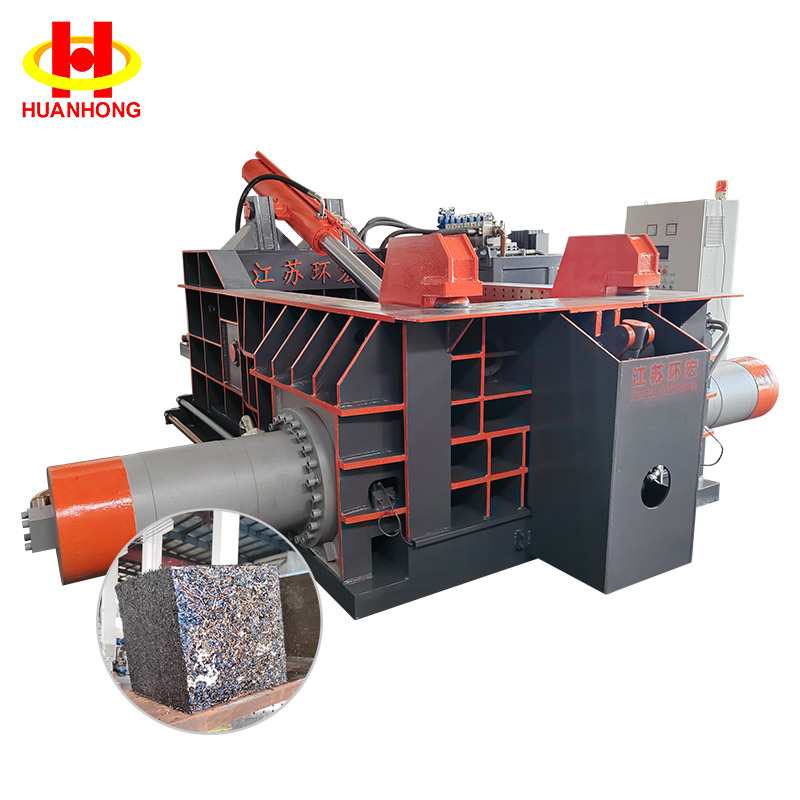
Briquetting machines make small blocks that melt fast in furnaces. This helps you get back up to 99% of metals. It also saves 90% of storage space.
Hydraulic shears cut big car parts into smaller pieces. This makes it easier to process and costs less to move. These machines can handle many tons of metal each hour. They help you reach your recycling goals in a green way.
Key Takeaways
Automotive manufacturers use special machines to recycle metal scrap. This helps save space and get back more metal.
Recycling metal from cars helps save natural resources. It also cuts down on pollution and uses less energy than making new metals.
New sorting technologies and automation make recycling faster and more correct. This means the recycled metal is better quality.
Using recycled metals in factories gives people jobs and saves money. This is good for the economy and the environment.
Doing recycling the right way keeps things safe and clean. It also helps companies make money and supports a healthy future.
Types of Metal Scrap in Car Recycling
Common Metals in Vehicles
Cars have many kinds of metals. Most of a car’s weight is steel and iron. These metals make cars strong and safe. Aluminum and other non-ferrous metals make cars lighter. Lighter cars use less fuel. The table below lists the main materials found in car recycling:
Type of Metal Scrap | Approximate Percentage |
Ferrous metals (steel, iron) | 65-70% |
Non-ferrous metals | 10% |
Plastics and polymers | 10-15% |
Glass | 3-5% |
Liquids | 1-2% |
Rubber | About 3% |
Textiles | 1-2% |
Sources of Scrap Metal
Metal scrap comes from different places. Some metal is from old cars that are no longer used. Factories that build cars also have leftover metal pieces. Scrap can also come from buildings and other big structures. The table below shows where scrap metal comes from:
Source Type | Description |
Post-Consumer Scrap | Comes from things like old cars, home appliances, and electronics. |
Post-Industrial Scrap | Is extra metal from making things, like cut-off pieces or broken parts. |
Demolition Scrap | Is metal taken from buildings when they are torn down, like steel beams and rebar. |
Recyclable Metal Characteristics
You must check what metals are like before recycling. Aluminum and steel are good for car recycling. They are strong and melt at the right heat. These metals stay strong even after being recycled many times. Finishing steps make them better for new cars. Picking the right metals helps recycling work well and makes better products.
Metal Scrap Recycling Process
Collection and Sorting
You begin by gathering metal scrap from many places. These places include old cars, factories, and construction sites. Special centers and curbside pickups help collect the materials. The steps below explain how collection and sorting work:
Get metal waste from cars, factories, and other spots.
Take scrap cars to recycling centers. These cars give lots of ferrous metal.
Sort the metal scrap you collected. Magnets pull out ferrous metals from non-ferrous metals.
Use machines like magnetic separators and sensor sorters. These tools help find and separate different metals.
Check sorted materials by hand to remove things that cannot be recycled.
New technology can make sorting faster and more exact. The table below shows some of these technologies:
Technology Type | Function |
AI-powered Image Recognition | Uses cameras and machine learning to check metal types in real-time. |
X-ray Fluorescence (XRF) | Finds out what materials are made of right away for quality control. |
Laser Object Detection (LOD) | Scans materials to get rid of non-metal stuff before processing. |
Real-Time Monitoring Systems | Watches material quality and processing so you can fix problems quickly. |
Cleaning and Preparation
You need to clean and get the metal scrap ready before recycling. This step takes away dirt, oil, and other things you do not want. Follow these steps to clean metal:
Brush off loose dirt with a stiff brush and blow with air.
For tough dirt, wash with warm water and mild soap.
Clean ferrous metals with a wire brush or sandpaper to remove rust. Use chemicals for heavy rust, then rinse well.
For non-ferrous metals, take off insulation from copper and clean with vinegar and salt. Use mild soap for aluminum. For brass, use a paste made from salt, flour, and vinegar.
Remove batteries and dangerous materials from electronics and appliances. Drain fluids and separate parts.
Take off coatings and paint by sanding, using chemicals, or heating.
Use degreasers for heavy oil and dish soap for light oil.
Dry all metals, sort them by type, and store in a dry place so they do not rust.
You must remove many kinds of contaminants at this stage. The table below lists common contaminants:
Type of Contaminant | Examples |
Physical Contaminants | Dirt, grease, oils, paint, plastics, rubber |
Chemical Contaminants | Copper, lead, mercury, PCBs, chromium-6, tin |
Cutting and Shearing with Huanhong Hydraulic
After cleaning, you cut big pieces of metal scrap into smaller sizes. Huanhong Hydraulic’s Scrap Metal Shear helps you do this job fast and safely. Here is how you use this equipment:
The Scrap Metal Shear uses hydraulic power and a strong build to cut tough materials.
You can cut whole car frames, chassis, and other big parts.
Gantry shears are good for cutting full car frames and chassis. Alligator shears cut smaller pieces.
Using both shears lets you process over 60% more metal each day.
These machines help you save time and spend less money.
Hydraulic shears are better than old cutting methods in many ways. The table below shows some main benefits:
Advantage | Description |
Lower Operating Costs | Use less energy and need less fixing. |
Environmental Benefits | Make less waste and noise, so recycling is cleaner. |
High Cutting Force | Give strong and steady cuts, making work faster and better. |
Versatility | Can handle many kinds of scrap, so you need fewer machines. |
Reduced Labor and Enhanced Safety | Automation means less work for people and safety features keep workers safe. |
Metal Chip Compression
After cutting, you press metal scrap into tight blocks with a metal briquetting machine. Huanhong Hydraulic’s Metal Briquetting Machine turns loose metal chips into solid briquettes. This step makes recycling easier and saves space.
Briquetting makes loose metal scrap smaller, so it is easier to store and move.
You get back valuable materials like coolants and cutting fluids from the scrap.
The process makes scrap metal worth more, so recycling earns more money.
Briquetting changes waste into materials you can sell or use again.
You pay less to move scrap and have more space in your facility.
Melting and Refining
After compressing, you melt the scrap metal in special furnaces. Each metal melts at its own temperature. Aluminum melts at about 1,220°F. Steel melts at almost 2,500°F. You use purification methods like electrolysis to get pure metal from dirty metal. Electromagnetic separation helps sort mixed metals. You also add fluxes to the melted metal to remove unwanted stuff as slag.
When refining is done, recycled metals are just as good as new metals. Purified aluminum stays light and strong. Purified steel keeps its strength and lasts long. Purified copper stays a good conductor for wires and electronics.
Manufacturing New Parts
You use the pure metal to make new car parts. These parts include body panels, frames, and catalytic converters. Recycled metal works as well as new metal. You help the circular economy by turning old cars into new products. This keeps resources in use and cuts down on waste.
Tip: If you follow each step carefully, auto recycling becomes safer, cleaner, and earns more money. You also help protect nature and support green manufacturing.
Scrap Metal Recycling Benefits
Environmental Impact
Recycling metal in cars helps the Earth in many ways.
It uses less energy than making new metal, so less carbon goes into the air.
It saves natural resources because we do not need to mine as much.
It keeps scrap metal out of landfills, so there is less trash and pollution.
It helps keep the air and water clean by stopping the bad effects of mining.
Recycling steel and aluminum for cars saves a lot of energy.
It also makes sure dangerous fluids are handled safely, so water stays clean.
Economic Advantages
Recycling metal scrap is good for the economy. Using recycled metals costs less to make new car parts. Old car materials can become new things, like body panels and catalytic converters. Recycling creates more jobs than burning or burying waste. It makes 36 times more jobs than burning trash and six times more than putting it in landfills. Recycled metals usually cost less than new ones. This helps companies save money and can lower prices for people. It also helps keep jobs and businesses strong.
Metal | Energy Saved (%) | Additional Notes |
Aluminum | 95% | Recycling aluminum uses much less energy. |
Steel | 60-75% | Each ton of recycled steel saves many resources. |
Copper | 85% | Recycling copper also saves a lot of energy. |
Resource Conservation
Recycling metal from cars helps save resources. It gives a steady supply of steel and aluminum for making new things. This helps meet rules about pollution and waste. More people want recycled aluminum for electric cars and catalytic converters. Recycling keeps important materials in use and helps the circular economy. It also makes sure metals in converters are there for future use.
Note: Recycling does more than save money. It helps the planet, gives people jobs, and keeps resources ready for the future.
Innovations in Car Recycling
Advanced Sorting Technologies
New sorting technologies are changing car recycling. Optical sorting systems use sensors and AI to sort metal scrap very well. These systems can sort thousands of items every minute. They help you get over 98% pure aluminum and copper. Color sensors and XRF technology sort non-ferrous metals fast. Infrared scanning and air jets separate materials with great accuracy. Robots help take apart and sort car parts. You can track materials better and keep them cleaner. The table below lists some new ideas:
Innovation Type | Description |
AI and Robotics | Make recycling more accurate and efficient, and help track and find problems. |
Advanced Material Recovery Techniques | Use better shredding for pure metals and new ways to recycle mixed plastics. |
Digital Technologies | Help save resources and make recycling better for the planet. |
Infrared Scanning and Air Jets | Separate materials exactly during recycling. |
Autonomous Robotic Systems | Make taking apart and sorting car parts faster and easier. |
Hydraulic Equipment from Huanhong Hydraulic
Hydraulic equipment from Huanhong Hydraulic helps you recycle better. Their metal balers and gantry shears are strong and use less energy. You use these machines for old cars and catalytic converters. The product line has gantry shear, alligator shear, and container shear. Each machine uses special hydraulic systems and meets ISO9001 rules. Full-load tests make sure the machines work well even with heavy loads. There is special equipment for titanium alloy scrap and custom models for different jobs. These machines help you handle tough materials like catalytic converters easily.
High automation means less work for people.
Many sizes and models fit your needs.
Stable machines make recycling safe and steady.
Automation and Efficiency
Automation makes recycling faster and easier. Car shredders cut down on landfill waste and reduce the need for new metal. You save up to 74% of energy compared to making new steel. Car balers work faster than people and process many cars quickly. MiR AMRs move waste safely and make work safer. Less human work is needed, which helps lean manufacturing. Car balers take apart cars fast and save time and money. You can process cars in just minutes and do more work. Closed-loop systems save water and energy, recycle inside the plant, and let waste go back into production. Advanced sorting helps you get the most metal and keeps it pure. This supports the circular economy and makes sure catalytic converters are recycled well.
Tip: You can make your recycling center better by using new sorting, hydraulic machines, and automation together.
You help make car recycling better for the future. Machines like Huanhong Hydraulic’s shears and briquetting machines work faster and use less energy. These tools help you get more metals, spend less money, and keep nature safe.
Trend | Description |
AI-Powered Sorting | Automated systems make metal recovery cleaner and faster. |
High-Purity Scrap | Cleaner scrap helps make green steel and keeps manufacturing eco-friendly. |
Battery Recycling Growth | More battery recycling keeps important minerals for electric cars. |
Using new technology helps you recycle cars in a smart and green way.
FAQ
What types of metal can you recycle from cars?
You can recycle steel, iron, aluminum, copper, and brass. Most car parts are made from steel and aluminum. Catalytic converters have valuable metals like platinum and palladium.
How do hydraulic shears improve metal recycling?
Hydraulic shears cut big metal parts into smaller pieces. This saves time and needs less work. These machines cut tough materials and make your recycling center safer.
Why should you use a metal briquetting machine?
A metal briquetting machine presses loose scrap into tight blocks. You save space for storage and pay less to move scrap. Briquettes melt quickly in furnaces, so recycling works better.
Is recycled metal as strong as new metal?
Recycled metal stays strong and keeps its quality. You can use it for new car parts, body panels, and frames. Manufacturers trust recycled steel and aluminum to last.


