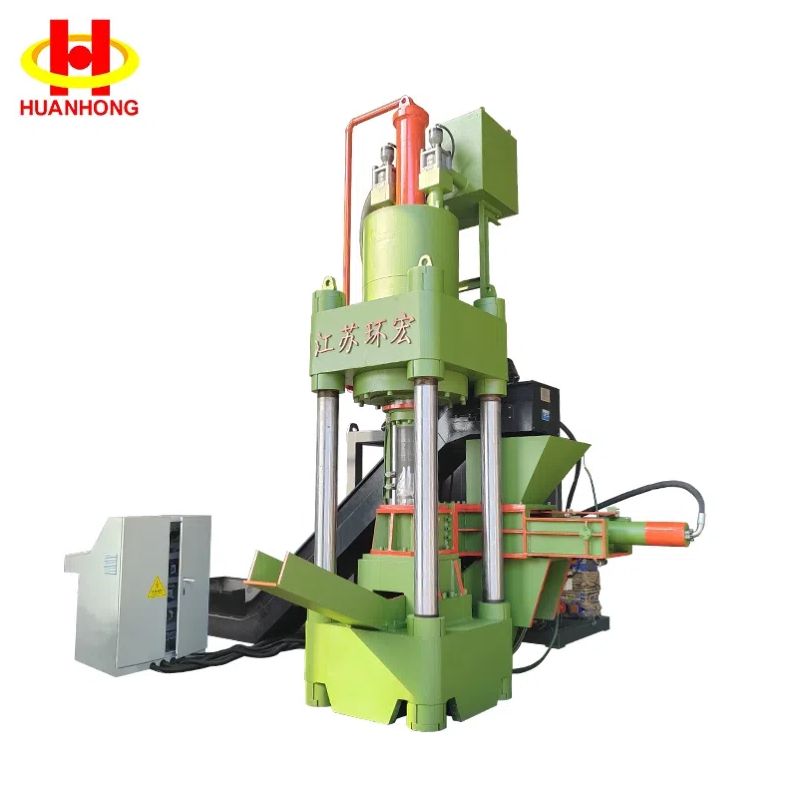
Managing metal waste efficiently is essential for any workshop handling machining, fabrication, or manufacturing processes. A scrap metal briquetter transforms loose metal chips and swarf into compact, high-density briquettes, simplifying storage, reducing transportation costs, and maximizing scrap resale value. At Huanhong Hydraulic, we specialize in providing reliable metal chip briquetting machines that deliver measurable operational and financial benefits for workshops of all sizes. Beyond cost savings, our briquetters streamline workflow, improve environmental compliance, and enhance overall safety.
Key Takeaways
Hydraulic scrap metal briquetters compress loose swarf and chips into dense, uniform briquettes, cutting scrap volume by 70‑80% and delivering measurable savings across storage, logistics and scrap resale value for metal‑processing facilities of all sizes.
The financial return comes from three major sources: lower transport‑and‑storage expenditure, higher purchase premiums for clean dense briquettes from recyclers, plus recovered coolant/cutting oil that can be reused onsite; many workshops achieve short payback periods of months instead of years.
Beyond ROI, briquetting improves workplace safety by clearing loose sharp metal swarf from shop floors, limits scrap oxidation, boosts furnace melting yield, and supports industrial environmental‑compliance requirements.
This technology brings distinct benefits for CNC/machine shops, foundries, recycling hubs as well as automotive and aerospace OEM suppliers, though machine selection must align with chip type, moisture level, target briquette dimension and required automation grade.
Critical pre‑purchase evaluation points include material characteristics, press tonnage capacity, desired briquette size and automation options such as coolant‑recovery modules to match your actual production workflow.
What is a Scrap Metal Briquetter and How Does it Work?
Basic Working Principle
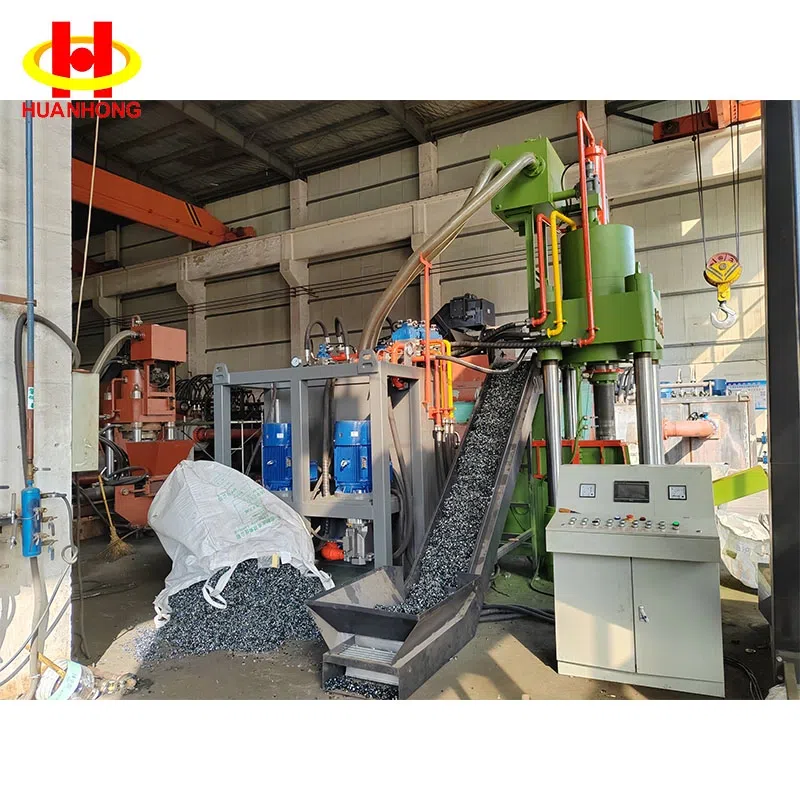
A scrap metal briquetter operates on a hydraulic compression system. Loose metal chips are fed into the machine via a hopper, where a high-pressure hydraulic piston compresses them into dense, uniform shapes. The mold and compression process ensure each briquette maintains consistent dimensions and density, allowing for easy handling, storage, and furnace feeding. Many models include automated feeding systems and programmable pressure settings to adapt to different metals, ensuring optimal performance even under continuous operation. The hydraulic system’s efficiency also reduces energy consumption compared to traditional compacting methods.
Typical Outputs
The output of a metal chip briquetting machine varies depending on the model and material type. Common briquette sizes range from Φ50×50 mm to Φ200×100 mm, and density can exceed several tons per cubic meter. Consistent dimensions and high density not only reduce the volume of scrap but also improve furnace efficiency and resale value. Depending on chip type and moisture content, these briquettes are ready for transportation or immediate recycling. For example, aluminum and steel chips, when compressed into briquettes, can be stacked and transported without losing quality, offering workshops predictable logistics and easy storage planning.
Short Glossary
Swarf: Thin, curled metal shavings produced during machining.
Chips: Small fragments of metal from milling or turning operations.
Pucks/Briquettes: Compressed metal formed by the briquetting machine.
Coolant Recovery: The process of reclaiming coolant from wet chips during compression, reducing waste and environmental impact.
Oxidation: Chemical reaction with air that degrades scrap quality; reduced by dense briquetting.
Financial Benefits: How a Scrap Metal Briquetter Improves ROI
Reduced Transport and Storage Costs
One of the most immediate benefits of using a scrap metal briquetter is the reduction in transport and storage costs.Loose metal chips occupy significant space, increasing the number of trips needed to move them to recycling facilities. Briquettes, by contrast, are compact and dense, often reducing the volume of metal waste by 70–80%. Fewer trips, lower storage needs, and reduced handling time translate directly into cost savings. For workshops processing several tons of metal per week, this reduction in transport frequency can also reduce labor requirements and forklift usage, further improving operational efficiency.
Higher Scrap Resale Price and Recovered Coolant Value
Briquetting not only saves on handling but also improves the resale price of scrap metal. Densely packed briquettes are easier for scrap yards and recycling centers to process, and buyers often pay a premium for uniform, dry, and clean metal. Additionally, wet chips processed in a briquetter can reclaim coolant and cutting oils. Recovered fluids can be reused in machining, reducing procurement costs and lowering environmental impact. This dual benefit—higher scrap value and reusable coolant—makes the investment in a briquetter highly practical for workshops aiming to optimize resources.
Quick Payback Scenarios and Key Metrics
For many workshops, the investment in a scrap metal briquetter can pay for itself in months rather than years. Key performance indicators to track include tonnage of chips processed, transportation trips avoided, and scrap revenue per ton. Monitoring these metrics allows workshop managers to calculate precise payback timelines. Additionally, machine uptime, energy consumption, and maintenance frequency should be considered, as they directly impact ROI. Huanhong Hydraulic’s machines are designed for durability and low maintenance, ensuring a faster return on investment with minimal operational disruption.
Safety and Environmental Wins from Briquetting
Cleaner Shop Floors and Lower Risk
A cleaner workshop is a safer workshop. Loose metal chips on floors create slip and handling hazards. Briquetting consolidates waste into manageable units, keeping floors clear and reducing the risk of accidents. For workshops operating CNC machines or lathes, this improves safety for operators while simplifying housekeeping routines. Reduced floor clutter also minimizes damage to machinery and tools, contributing to a safer and more efficient production environment.
Coolant and Oil Recovery
Environmental compliance is increasingly critical for modern workshops. Metal chip briquetters can separate coolant and cutting oils from wet swarf, allowing safe recycling or proper disposal. This reduces environmental liability and helps workshops adhere to strict regulations governing industrial fluids. Additionally, recovering coolant improves sustainability by cutting the need for fresh liquids, which aligns with corporate environmental responsibility initiatives.
Reduced Oxidation and Improved Furnace Yield
Exposing loose metal chips to air promotes oxidation, which can reduce furnace yield and quality in foundries. Briquetting minimizes the surface area of stored scrap, limiting oxidation and ensuring more efficient melting. Workshops that invest in a briquetter often see improved consistency and efficiency in furnace operations. This is especially critical for industries requiring high-quality metal feed, such as aerospace or automotive manufacturing.
Real-World Use Cases: Who Benefits Most?
CNC Shops and Machine Shops
CNC and machine shops generate continuous streams of chips from turning, milling, and drilling. A metal chip briquetting machine efficiently compacts these by-products, minimizing storage and handling challenges. High-density briquettes are easier to transport to recycling centers, improving overall workflow. Continuous operations benefit from automated briquetters that can run during machine downtime, maximizing productivity and resource utilization.
Foundries, Steel Mills, and Recycling Centers
High-volume operations such as foundries and steel mills handle large amounts of scrap metal daily. Briquetters allow these facilities to manage waste more effectively, reduce storage footprint, and streamline logistics. Uniform briquettes also simplify furnace feeding and melting operations. For recycling centers, briquetters enable precise sorting, volume reduction, and faster shipment, enhancing competitiveness in the scrap trading market.
Precision-driven industries like automotive and aerospace rely on consistent, high-quality furnace feed. Briquetting ensures metal chips are uniform in size, density, and dryness, supporting better furnace yield and reducing contamination risks. Facilities that implement briquetters maintain higher quality control standards while cutting operational costs. These machines also help meet strict environmental and safety standards, critical for ISO-certified production lines.
Quick Buyer Checklist Before You Call a Vendor
Chip Type and Moisture Content
Before purchasing, workshops should assess the types of chips they generate, including size, metal type, and moisture or coolant content. These factors determine the appropriate briquetter model and compression settings to maximize efficiency and output quality. For mixed-metal operations, selecting a versatile machine capable of handling multiple chip types ensures long-term usability.
Target Briquette Size and Press Capacity
Consider the desired size and density of briquettes. Different models offer varying press capacities (in tons) and can produce briquettes ranging from small pucks to large billets. Matching machine capacity to production volume ensures consistent performance and ROI. Customizable molds and adjustable pressure options provide flexibility for different metals and client specifications.
Automation Needs
Modern metal chip briquetters offer automation options such as integrated piping, and coolant recovery systems. Evaluating automation requirements in advance helps optimize workflow, reduce labor, and enhance overall safety. For high-volume facilities, automation is essential to maintain continuous production without bottlenecks or additional manual handling.
Conclusion
A scrap metal briquetter is more than a piece of equipment — it’s an investment that enhances operational efficiency, safety, and profitability. Workshops that implement Huanhong Hydraulic’s metal chip briquetting machines enjoy lower storage and transport costs, higher scrap resale value, and improved environmental compliance. By consolidating metal waste into dense, uniform briquettes, workshops create a cleaner, safer, and more cost-effective operation. Huanhong Hydraulic’s expertise ensures reliable machines tailored to various production scales and chip types. For a tailored ROI assessment or a detailed site evaluation, contact us today to discover how our solutions can transform your workshop’s metal recycling process.


