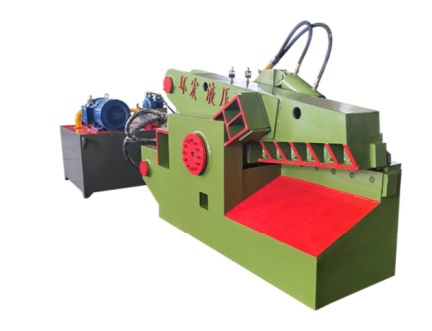
In scrap processing, efficiency depends on more than hydraulic force alone. A machine may have a strong frame and a powerful cylinder, but if the wrong material goes into the cutting zone, productivity can drop quickly, blade wear can increase, and the operator may face unnecessary interruptions. That is why understanding material suitability is one of the most practical parts of using an Alligator Shear. In everyday yard operations, the real question is not simply whether the machine can cut metal—it is what kind of metal it handles well, what shape it prefers, and what materials should stay out of the cutting area.
From our perspective as a manufacturer of hydraulic scrap processing equipment, an alligator shear is one of the most useful tools for cutting and sizing scrap when the incoming material is matched correctly to the machine. It is widely used for trimming long metal pieces, preparing scrap for transport, reducing bulky metal into manageable lengths, and improving feeding efficiency for downstream handling. But like any industrial cutting machine, it works best when operators understand its strengths and respect its limits.
1 What Is an Alligator Shear
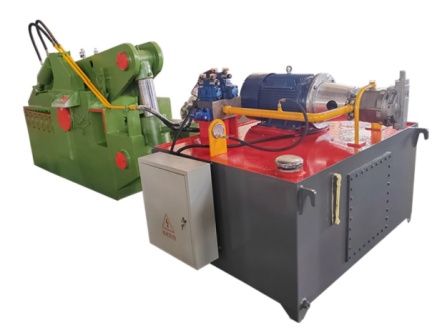
An alligator shear is a hydraulic cutting machine with a hinged upper blade and a fixed lower blade. When the upper blade closes, it creates a scissor-like cutting action that is ideal for processing many types of scrap metal.
It is called an “alligator” shear because the moving jaw resembles the opening and closing motion of an alligator’s mouth.
In practical scrap yard use, an alligator shear is often used for:
cutting long metal stock into shorter lengths
reducing scrap volume
preparing materials for transport or furnace charging
trimming bar, rod, tube, and profile scrap
improving handling of irregular but manageable metal pieces
Its strength lies in fast, repeated cutting of suitable scrap shapes, especially where simple size reduction is needed.
2 What Materials Can an Alligator Shear Commonly Cut
An Alligator Shear is mainly designed for cutting many forms of ferrous and non-ferrous scrap metal, especially when the material is not excessively thick, oversized, or irregularly hardened.
Common materials it can cut include:
These are the kinds of materials most operators expect to run through the machine in daily scrap processing.
Typical material categories
Material Type | Common Suitability | Why It Works Well |
Mild steel bar | Very suitable | predictable cutting behavior |
Rebar | Suitable | common scrap shape for shear cutting |
Tubes and pipes | Suitable | easy size reduction |
Aluminum sections | Suitable | lighter, easier cutting |
Copper and brass | Suitable | useful for non-ferrous preparation |
Light profiles | Suitable | manageable cross-sections |
This does not mean every size within these categories is suitable. The machine still needs the material to fall within its cutting capacity and blade opening range. But in general, these are the core material types an alligator shear is built to handle.
3 Why Shape Matters as Much as Material
In scrap processing, material type is important, but shape often matters just as much.
An alligator shear performs best on materials that are:
long enough to position safely
narrow enough to fit the cutting area
consistent in section
solid or hollow in a predictable way
not too bulky for the blade opening
That is why items like bar, tube, rod, and similar linear scrap are such a good match.
Shapes that are usually ideal
Why this matters
A material that is technically “cuttable” in terms of metal type may still be inefficient or unsafe if the shape is awkward, unstable, or too bulky for the feeding area.
In other words, a well-matched shape improves:
4 Ferrous Metals the Machine Commonly Handles
For many yards, the primary use of an alligator shear is cutting ferrous scrap, especially carbon steel materials.
Common ferrous materials
These materials are widely used in construction, fabrication, and manufacturing, which makes them common feedstock for scrap processors.
Why ferrous scrap is a common fit
Ferrous materials are often available in shapes that match the machine’s cutting style. They are also commonly processed in repetitive batches, which makes an alligator shear useful for routine size reduction.
However, even in ferrous scrap, the machine performs best when the material:
stays within rated thickness and section limits
is not heavily contaminated
is not bundled too densely beyond capacity
is not mixed with uncuttable inserts or internal hard objects
5 Non-Ferrous Metals It Can Also Process
An alligator shear is also commonly used for many non-ferrous materials, especially where the goal is to cut and sort metal into transportable or sale-ready lengths.
Common non-ferrous materials
This can be especially useful for recycling operations that need to reduce longer sections into manageable pieces for:
baling
packing
sorting
loading
Non-ferrous material benefits
Because many non-ferrous metals are softer than carbon steel, the cutting action may feel smoother and faster—provided the cross-section and shape remain within machine limits.
6 What an Alligator Shear Should Not Be Used For
Understanding what to avoid is just as important as knowing what the machine can cut. An alligator shear is not designed for every scrap type, and using the wrong material can increase blade wear, damage components, or create unsafe operation.
Materials and items that should generally be avoided
oversized solid sections beyond rated capacity
hardened alloy sections beyond machine design range
very thick plate or block-like scrap
sealed containers or closed vessels
materials containing unknown internal pressure
scrap with embedded concrete, stone, or non-metal hard inclusions
mixed assemblies with bolts, cast parts, springs, or unknown hard inserts
heavily contaminated scrap that may shift unpredictably during cutting
Materials to avoid overview
Material or Condition | Why It Should Be Avoided |
Oversized solid steel | exceeds cutting capacity |
Thick plate blocks | poor fit for shear design |
Pressurized or sealed items | serious safety risk |
Concrete-filled metal | damages blades and disrupts cutting |
Mixed hard inserts | creates unpredictable load on blades |
Unknown assemblies | unstable and difficult to control |
The machine is strong, but it is still designed for a specific type of cutting work. Respecting that design is essential.
7 Why Sealed or Closed Items Should Never Be Assumed Safe
One of the most important practical rules in scrap cutting is to avoid feeding sealed, closed, or potentially pressurized items into an alligator shear.
Examples include:
Even if these items appear empty, the contents may not be visible from the outside. This creates unnecessary risk during cutting.
In general operation, the safest approach is simple:
do not cut any item unless its condition and internal state are clearly known
isolate questionable scrap before feeding
inspect suspicious items before processing
This is not only better for machine protection—it is a basic part of responsible scrap yard operation.
Final Thoughts
So, what materials can an Alligator Shear cut, and what should you avoid? In practical scrap processing, an alligator shear is highly effective for cutting many common ferrous and non-ferrous materials such as mild steel bar, rebar, pipe, aluminum sections, copper, brass, and light metal profiles. It performs best when the material is linear, manageable in size, and well matched to the machine’s capacity. At the same time, operators should avoid oversized solids, very thick or hardened sections, sealed containers, and contaminated mixed scrap that can create unnecessary wear or unsafe cutting conditions. In real production, the best results come from matching the machine to the right materials and using sorting discipline before every cut.
At Jiangsu Huanhong Hydraulic Co., Ltd., we understand that efficient scrap processing depends on using the right machine in the right way. A well-designed Alligator Shear can greatly improve cutting efficiency, scrap handling, and day-to-day productivity when material selection is done correctly. If you are looking for practical scrap cutting solutions and want to learn more about suitable hydraulic shear equipment for your operation, you are welcome to learn more from Jiangsu Huanhong Hydraulic Co., Ltd.
FAQ
1) What materials can an alligator shear usually cut?
An alligator shear commonly cuts mild steel bar, rebar, pipes, tubes, aluminum sections, copper, brass, and other manageable ferrous and non-ferrous scrap.
2) Can an alligator shear cut non-ferrous metals?
Yes. An alligator shear is often used for non-ferrous materials such as aluminum, copper, and brass when the size and shape fit the machine’s cutting range.
3) What materials should be avoided in an alligator shear?
You should generally avoid oversized solid sections, very thick or hardened scrap, sealed containers, concrete-filled metal, and mixed assemblies with unknown hard inserts.
4) Why is material sorting important before using an alligator shear?
Sorting helps ensure that only suitable scrap enters the cutting area, which supports safer operation, smoother cutting cycles, and better blade life.


