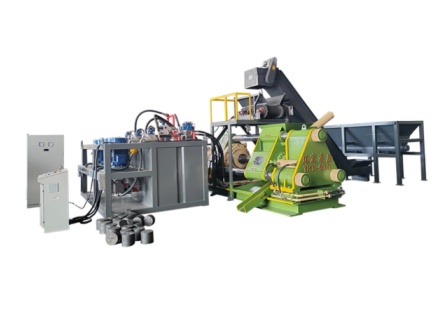
At Jiangsu Huanhong Hydraulic Co., Ltd., we understand that maintaining equipment for long-term use is vital for achieving maximum efficiency and productivity. The Horizontal Hydraulic Metal Chip Briquetting Machine is an essential tool for industries dealing with metal waste and chip recycling, and like all hydraulic machinery, proper maintenance ensures that it continues to operate smoothly, minimizing downtime and costly repairs. In this article, we will walk through how to properly maintain your horizontal hydraulic metal chip briquetting machine to ensure it performs optimally for years to come.
The Horizontal Hydraulic Metal Chip Briquetting Machine is designed to compress metal chips into dense, manageable blocks that can be easily stored or recycled. These machines are commonly used in metalworking industries to reduce waste and improve the efficiency of scrap metal recycling. However, like any machinery, they are subject to wear and tear, and regular maintenance is necessary to ensure that the machine functions properly and lasts for an extended period.
Importance of Maintenance for Hydraulic Briquetting Machines
Hydraulic systems are complex and require regular care to maintain their efficiency and prolong their service life. The horizontal hydraulic metal chip briquetting machine is no exception. It uses hydraulic pressure to compress metal chips, and over time, the pressure and moving components may face increased friction, wear, and buildup of debris. Ensuring that the machine is well-maintained will help avoid mechanical failures, reduce operational costs, and improve overall productivity.
Proper maintenance not only enhances the efficiency of the machine but also ensures that it adheres to safety regulations and operates without the risk of unexpected breakdowns. It is essential for businesses to integrate regular check-ups and servicing into their maintenance schedules to ensure that the briquetting machine continues to deliver high-quality results.
Key Components of a Horizontal Hydraulic Metal Chip Briquetting Machine
Before diving into maintenance practices, it's important to understand the critical components of the horizontal hydraulic metal chip briquetting machine:
Hydraulic System: The heart of the briquetting machine, responsible for generating the pressure required to compress metal chips into compact blocks.
Feeding System: Where metal chips are loaded into the machine. It ensures an even distribution of chips for uniform compaction.
Compression Chamber: The part of the machine where the metal chips are compressed into blocks.
Cooling System: Regulates the temperature of the hydraulic system to prevent overheating, which could damage the machine.
Electrical System: Powers various components of the machine, including sensors, alarms, and control systems.
Each of these components plays a critical role in the overall function of the briquetting machine and should be regularly inspected for wear and tear.
Maintenance Practices for Long-Term Use
To ensure that your horizontal hydraulic metal chip briquetting machine continues to function optimally for an extended period, it’s important to perform the following routine maintenance practices.
1. Regular Lubrication and Fluid Checks
Hydraulic systems rely on hydraulic fluid to operate efficiently. The fluid lubricates the system's moving parts, reduces friction, and maintains proper pressure levels. To ensure smooth operation, it's essential to:
Check the hydraulic fluid levels regularly. Low fluid levels can cause the system to overheat, resulting in a decrease in pressure and potential damage to the components.
Clean or replace the hydraulic fluid as per the manufacturer's recommended schedule to prevent contamination and wear.
Ensure that the lubrication system is working efficiently by periodically checking oil levels in the pump and valve parts.
Check for leaks in the system. Hydraulic leaks can lead to inefficient operation and reduced pressure, which may result in machine failure.
2. Monitor and Replace the Filters
The filters in the hydraulic system prevent debris and contaminants from entering the system, which can damage sensitive components. Over time, these filters can become clogged, reducing the system's efficiency. Regularly inspect and replace filters according to the manufacturer's guidelines. Keeping the filters clean is essential for preventing damage to the hydraulic pump, valves, and other critical components.
3. Inspect the Compression System
The compression chamber is where the metal chips are compacted into briquettes. This area is subjected to high pressure and friction, so it is important to:
Regularly check the compression chamber for wear or damage.
Ensure that the compression piston moves freely without any obstruction.
Inspect the dies for wear and tear. If necessary, replace them to maintain consistent briquette quality.
Over time, the die system may experience reduced efficiency due to the buildup of metal residues. Regularly cleaning and replacing the die components ensures that the machine continues to produce high-quality briquettes.
4. Check and Clean the Feeding System
The feeding system is responsible for delivering metal chips into the briquetting machine. Blockages or uneven feeding can lead to inconsistent briquette production or cause damage to the machine. To prevent this:
Ensure that the feed rate is consistent, as fluctuations can cause machine stress and reduce efficiency.
5. Examine the Cooling System
The cooling system is responsible for preventing the hydraulic system from overheating. Overheating can cause damage to the hydraulic pump and other components. To ensure the cooling system is functioning properly:
Clean the cooling system components periodically to remove debris that may hinder the airflow.
6. Electrical System Checks
The electrical system is critical for the smooth operation of the machine, as it powers the sensors, alarms, and control system. To avoid electrical failures:
Check the alarm system to ensure that it responds correctly to potential issues, such as low hydraulic fluid or overheating.
7. Routine Machine Cleaning
Regular cleaning is essential to prevent the buildup of metal residues, dust, and dirt, which can reduce the efficiency of the machine. Clean the following parts regularly:
Keeping the machine clean ensures that all parts function efficiently, reduces the risk of malfunctions, and extends the lifespan of the machine.
Table: Machine Maintenance Schedule
To help you keep track of maintenance tasks, here is a sample maintenance schedule for the Horizontal Hydraulic Metal Chip Briquetting Machine:
Task | Frequency | Notes |
Check hydraulic fluid levels | Weekly | Top up or replace as necessary |
Replace hydraulic filters | Every 3-6 months | Prevent contamination of the system |
Inspect compression system | Monthly | Look for wear or obstruction |
Clean feeding system | Monthly | Prevent blockages and inconsistent feed |
Inspect cooling system | Monthly | Ensure proper operation and fluid levels |
Clean machine components | Quarterly | Remove metal debris and dust |
This maintenance schedule helps ensure that the machine operates efficiently and remains in top condition over the long term.
Operational Best Practices
Besides regular maintenance, following operational best practices will enhance the lifespan of your horizontal hydraulic metal chip briquetting machine and reduce the risk of breakdowns:
Dosing
It is important to ensure that the metal chips are consistently and evenly fed into the machine to ensure uniform briquette production. Proper dosing ensures that the machine operates efficiently, producing high-quality briquettes with minimal waste. Overloading the machine can lead to mechanical failure, while insufficient material input can result in low-density briquettes.
Safety
Safety is a priority when operating hydraulic machines. Ensure that operators are trained on the proper use and maintenance of the machine, and always follow safety protocols to prevent accidents. Regularly inspect safety features, such as emergency stop buttons and safety guards, to ensure they are functional.
Summary
In conclusion, maintaining a Horizontal Hydraulic Metal Chip Briquetting Machine is essential for ensuring long-term reliability, efficiency, and quality output. Regular maintenance, proper dosing, and operational best practices will ensure that the machine operates at its full potential, minimizing downtime and maximizing productivity. By adhering to a comprehensive maintenance schedule, you can keep the machine running smoothly for years.
At Jiangsu Huanhong Hydraulic Co., Ltd., we provide high-quality horizontal hydraulic metal chip briquetting machines designed for optimal performance in metal chip recycling. With proper care and maintenance, our machines continue to serve industries efficiently, helping businesses manage metal waste while contributing to a more sustainable environment.
FAQ
1. How often should I check the hydraulic fluid in the briquetting machine?
Hydraulic fluid levels should be checked weekly to ensure that the system operates smoothly. Top up or replace the fluid as needed.
2. What maintenance tasks should be done monthly?
Monthly maintenance tasks include inspecting the compression system, feeding system, cooling system, and cleaning machine components.
3. How does proper dosing affect briquette quality?
Proper dosing ensures that the metal chips are fed evenly into the machine, producing uniform briquettes with the correct density and quality.
4. Why is regular cleaning necessary for the briquetting machine?
Regular cleaning removes metal residues and debris, preventing blockages, improving efficiency, and reducing wear on the machine’s components.


