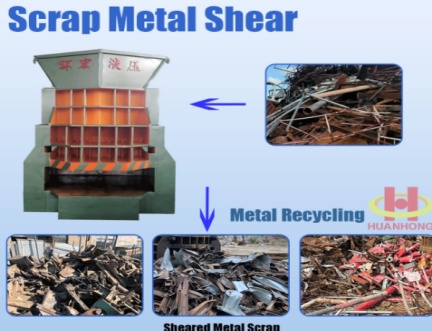
The recycling industry plays an essential role in reducing waste, conserving resources, and promoting sustainability. Metal recycling, in particular, is a key aspect of this effort, with metal container shears serving as vital machines for efficiently processing scrap metal. Whether you are managing a recycling plant or involved in the metal recycling process, choosing the right metal container shear is crucial for ensuring efficient operations, maintaining safety standards, and optimizing productivity.
In this article, we’ll explore the factors that should be considered when selecting the ideal metal container shear for your recycling plant. By understanding these considerations, you can make an informed decision that aligns with your plant’s needs, operational goals, and environmental standards. At Jiangsu Huanhong Hydraulic Co., Ltd., we are committed to providing high-quality and reliable hydraulic shears that support the recycling industry in maintaining high-efficiency processing and sustainability.
What is a Metal Container Shear?
A metal container shear is a specialized machine used in recycling plants to cut large metal containers, scrap metal, and other heavy metal objects into smaller, manageable pieces. These shears are crucial for processing various types of metal, including aluminum, steel, and copper, into scrap that can be reused or sold for further processing.
Metal container shears use hydraulic, mechanical, or electric systems to apply significant force, cutting through dense metal with precision. By transforming large, unwieldy metal containers into smaller pieces, these shears help facilitate further processing, such as melting or molding, and reduce the transportation costs associated with bulky scrap metal.
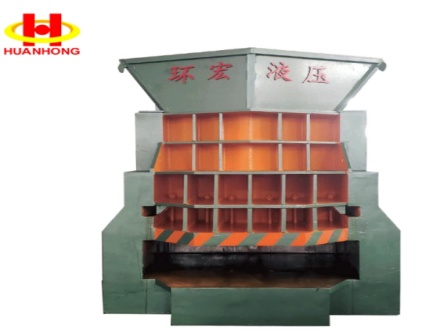
Key Factors to Consider When Choosing a Metal Container Shear
When selecting a metal container shear for your recycling plant, several factors should guide your decision. These factors not only impact the efficiency of your operations but also influence the long-term performance and sustainability of your recycling plant. Here are the key considerations to keep in mind:
1. Type of Materials to Be Processed
The type of materials your recycling plant processes plays a significant role in determining the specifications of the metal container shear. Not all shears are designed to cut through the same types of metals or thicknesses, so it’s essential to match the shear to the material you are working with.
Aluminum, Steel, and Stainless Steel: Different metals have varying hardness, thickness, and cutting characteristics. For instance, aluminum is relatively soft and easy to cut compared to steel or stainless steel, which are much harder and require more force to shear. If your recycling plant primarily handles aluminum containers, you may not need a shear with the same cutting force required for thicker metals like steel or stainless steel. However, if you deal with large, thick containers or heavy industrial scrap metal, a shear with higher cutting power and durability will be necessary.
Mixed Scrap Metal: In many recycling operations, mixed metal scrap is processed. This scrap can include a variety of metals, such as light aluminum alloys, steel, copper, and even industrial materials like iron or stainless steel. For this reason, you’ll need a versatile shear that can handle different metal types and thicknesses. Having a shear capable of cutting through a wide range of materials ensures flexibility, allowing your plant to process various scrap types efficiently.
When selecting a shear, ensure it is equipped with the appropriate blade configuration and cutting force capacity to handle all the materials your facility processes. This way, you can ensure your plant’s operations remain efficient and adaptable to diverse material needs.
2. Cutting Capacity
The cutting capacity of a metal container shear refers to the thickness of the metal that the machine can cut through at once. It's essential to choose a shear with the right cutting capacity for your plant's specific requirements.
Thick Metal Containers: If your plant primarily processes large, thick metal containers, look for a shear with high cutting power. Thicker materials require more force to cut, so a shear with higher cutting capacity will ensure that the job is done efficiently. A hydraulic shear is typically the best option for cutting thicker metals as it can provide the necessary force without compromising precision. Hydraulic systems generate substantial cutting power while maintaining smooth operation, allowing for clean, accurate cuts even in high-volume processing environments.
Volume of Scrap: Another consideration is the volume of scrap metal your plant processes daily. If your operations involve high volumes of metal, it’s important to select a shear with higher throughput capacity to ensure that production runs smoothly without bottlenecks. A shear with a higher cutting capacity will not only allow for processing of thicker materials but will also help keep up with the demands of a high-output production line.
Choosing a shear with the appropriate cutting capacity is vital for maintaining operational efficiency. If the shear is underpowered for the materials you’re processing, it can lead to slower cutting speeds, increased wear, and decreased productivity. Ensuring that the shear is capable of handling the metal thickness and volume that align with your plant’s production needs is critical for maximizing cutting efficiency.
3. Hydraulic or Mechanical Shears
Metal container shears generally fall into two categories: hydraulic shears and mechanical shears. Each type offers different benefits, and the choice depends on your plant’s specific requirements.
Hydraulic Shears: Hydraulic shears use hydraulic pressure to apply force to the cutting blades. These shears are known for their high cutting power, ability to handle thicker materials, and smoother operation. Hydraulic systems are also easier to maintain and adjust, which can contribute to the longevity of the shear.
Mechanical Shears: Mechanical shears rely on gears and motors to apply force. While mechanical shears can be more affordable and suitable for lighter materials, they may not offer the same cutting precision or power as hydraulic shears. They also tend to require more maintenance, especially under heavy use.
For plants processing thick metal containers and large volumes of scrap, hydraulic shears tend to be the better option due to their ability to handle heavy-duty cutting with greater efficiency.
4. Blade Configuration and Material
The blade configuration of a metal container shear is another important factor in its performance. Blades that are not suited for the materials being processed can lead to poor cuts, excess wear, and frequent downtime for maintenance. Consider the following:
Blade Quality: Choose a shear with high-quality, hardened blades that are designed to withstand the intense pressure of cutting through thick metals.
Blade Design: The geometry of the blade plays a role in the effectiveness of the cut. Some shears use straight blades, while others may feature curved or angled blades that improve cutting efficiency, especially for materials with irregular shapes.
It’s important to select a shear with a blade configuration and material suited to the type of scrap metal your plant processes. Well-designed, durable blades will ensure consistent cutting and reduce the frequency of blade replacements.
5. Automation and Control Systems
Many modern metal container shears come equipped with automation and control systems that enhance performance and reduce human error. Automated features can help improve the precision of each cut, increase the speed of the cutting process, and optimize material handling.
Automation: Automated shears can be programmed to perform specific tasks, such as cutting to a certain length or optimizing blade movements for more efficient operation. This reduces the need for manual labor, leading to cost savings and improved safety.
Control Systems: Advanced control systems allow operators to monitor the shear’s performance in real time, making it easier to adjust settings such as cutting speed, pressure, and blade angle. These systems also improve the shear's reliability and reduce downtime.
For recycling plants looking to streamline operations and improve overall efficiency, investing in shears with automation and advanced control systems can be highly beneficial.
6. Energy Efficiency
Energy consumption is a significant consideration when choosing any type of industrial machinery. Metal container shears, particularly those with hydraulic systems, can consume a substantial amount of energy. As sustainability becomes an increasingly important aspect of industrial operations, selecting an energy-efficient shear can lead to long-term cost savings and environmental benefits.
Energy-Saving Features: Look for shears equipped with energy-saving features such as variable-speed motors, low-energy consumption systems, and power-saving modes that reduce electricity use when the shear is idling or not in full operation.
Long-Term Cost Efficiency: While energy-efficient models may have a higher upfront cost, the savings on energy bills and maintenance can significantly reduce the total operating costs of the shear over time.
Choosing a more energy-efficient metal container shear can not only help reduce operational costs but also contribute to your plant’s sustainability goals.
Conclusion
Choosing the right metal container shear for your recycling plant is a critical decision that will impact your plant’s efficiency, productivity, and safety. By carefully considering factors such as cutting capacity, material types, shear type, blade quality, automation features, and energy efficiency, you can ensure that you select a shear that best suits your plant’s needs.
At Jiangsu Huanhong Hydraulic Co., Ltd., we specialize in high-performance hydraulic shears and cutting-edge recycling equipment designed to meet the demands of modern manufacturing and recycling operations. If you're looking for a reliable and durable metal container shear for your recycling plant, we are here to help. Feel free to contact us to discuss your requirements, and our team will guide you in choosing the right shear for your operations. With our expertise and high-quality equipment, we can help you optimize your recycling processes and achieve better performance in your plant.


