Introduction
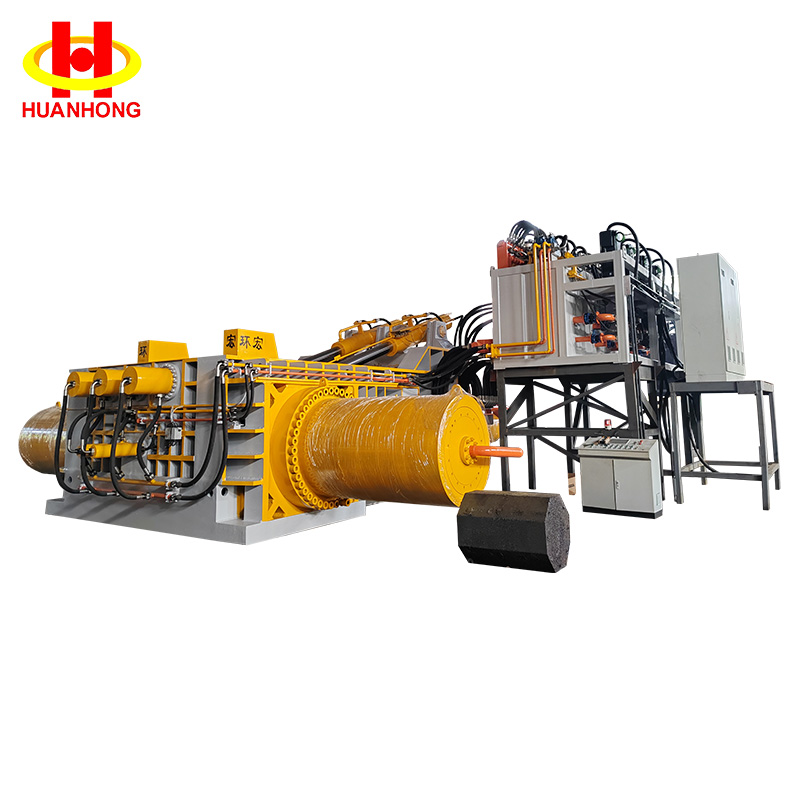
Ever wondered how industries manage metal waste efficiently? Hydraulic Scrap Metal Steel Copper Baling Press Bales are the answer. These powerful machines compress metals into compact bales, revolutionizing metal recycling. In this post, you'll learn what these balers are and their crucial role in recycling operations.
Applications of Hydraulic Scrap Metal Baling Press
Hydraulic scrap metal baling presses are widely used in several industries where managing metal waste efficiently is crucial. These machines help compress scrap metal into dense bales, making storage, handling, and transport easier and cost-effective. Here are the main places where these presses find application:
Metal Recycling Facilities
Metal recycling centers rely heavily on hydraulic baling presses. These facilities collect various scrap metals, including aluminum, copper, steel, and stainless steel. The baling press compresses this scrap into compact bales, reducing volume and improving logistics. This process boosts recycling efficiency by enabling easier sorting, storage, and shipment to metal reprocessing plants. The dense bales also minimize transportation costs, making recycling operations more profitable.
Scrap Yards
Scrap yards handle large quantities of mixed metal waste from different sources. Hydraulic balers help these yards manage space by reducing the bulk of loose scrap. They compress scrap metals like copper wires, aluminum profiles, steel shavings, and tin cans into manageable bales. This not only saves space but also enhances safety by minimizing loose debris. Scrap yards can then sell these uniform bales to metal recyclers or manufacturers, streamlining their business operations.
Manufacturing Plants with Metal Waste
Many manufacturing plants generate metal waste during production, such as metal shavings, cuttings, and defective parts. Using hydraulic baling presses allows these plants to handle scrap internally. By baling metal waste, plants reduce clutter and improve workplace safety. The baled scrap can be stored easily or sold to recycling companies. This process reduces waste disposal costs and promotes sustainable manufacturing practices.
Types of Hydraulic Baling Press Machines
Hydraulic scrap metal baling presses come in various types, each designed to meet specific needs in metal recycling and waste management. Understanding these types helps businesses choose the right machine for their operations. Here are the main types of hydraulic baling presses:
Single-Ram Balers
Single-ram balers use one hydraulic ram to compress scrap metal inside a chamber. They are the most common type and are ideal for compressing light to medium-density metals like aluminum, copper, and steel shavings. The ram pushes the scrap metal forward into the chamber, forming bales that are then ejected through the front or side. These balers are simple to operate and maintain, making them a cost-effective choice for many recycling centers and scrap yards. They are suitable for moderate volumes of scrap and provide consistent bale sizes.
Dual-Ram Balers
Dual-ram balers feature two hydraulic rams: one for feeding and one for compressing. This design allows continuous feeding while the compression ram compacts the scrap. The feeding ram pushes the scrap into the compression chamber, and the compression ram applies high pressure to form dense bales. Dual-ram balers are excellent for handling higher volumes and heavier materials, such as steel scrap and thick metal parts. They offer faster cycle times and higher bale density, making them suitable for large recycling facilities and manufacturing plants with significant metal waste.
High-Density Balers
High-density balers focus on producing extremely dense and compact bales. They often use advanced hydraulic systems and stronger rams to achieve higher compression forces. These balers are ideal for industries where maximizing bale weight and minimizing transportation costs are critical. High-density balers can handle a wide range of metals, including stainless steel, copper, and mixed ferrous and non-ferrous scrap. Their robust construction and powerful hydraulics make them suitable for heavy-duty recycling operations and scrap processing centers aiming for efficiency and cost savings.
Tip: When selecting a baler type, consider your scrap metal volume, material density, and desired bale size to optimize recycling efficiency and reduce operational costs.
Key Features of Hydraulic Scrap Metal Baling Press
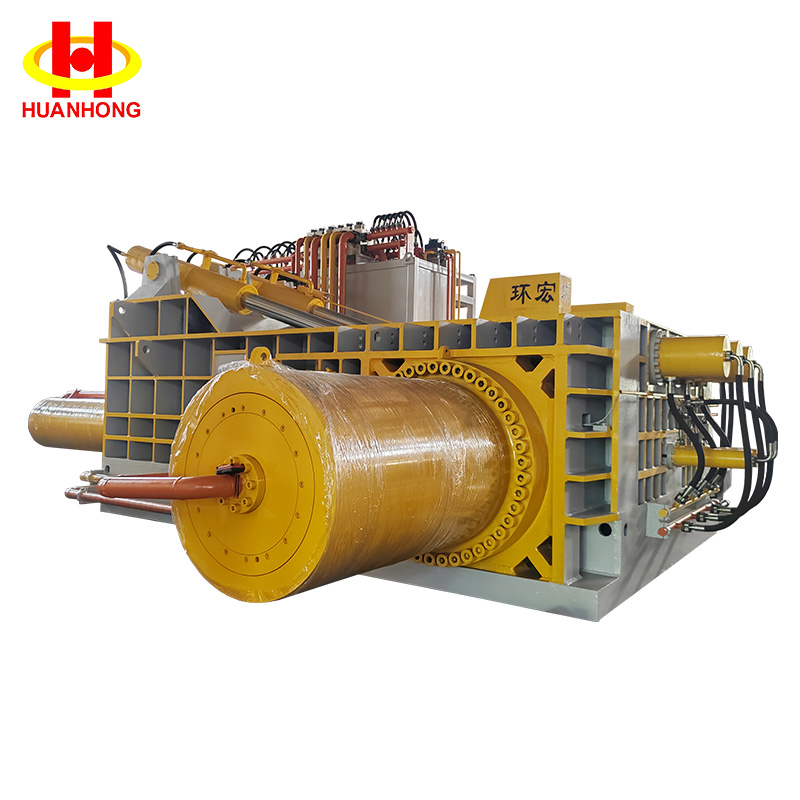
Hydraulic scrap metal baling presses come equipped with several important features that make them effective, safe, and easy to operate. Understanding these key features helps businesses choose the right machine and maintain it properly for long-lasting performance.
Hydraulic System and Components
The heart of the baling press is its hydraulic system. It uses hydraulic cylinders, pumps, and valves to generate powerful compression forces. This system presses scrap metal into dense, compact bales. High-quality components, such as internationally recognized hydraulic pumps and valves, ensure smooth and reliable operation. For example, the system often runs at working pressures around 21.5 MPa, providing enough force to compress metals like steel, copper, and aluminum effectively. Durable materials like NM450 or Hardox450 steel plates protect the compression chamber from wear and tear, extending machine life.
Control Systems: PLC and Manual
Hydraulic balers typically offer two control options: automatic PLC (Programmable Logic Controller) control and manual control. PLC control automates the baling cycle, improving efficiency and reducing operator error. It can include remote control features for added convenience. Manual control lets operators handle the baling process step-by-step, useful for smaller operations or special scrap types. The control panel usually displays machine status and error alerts, helping operators monitor performance and troubleshoot quickly.
Safety Features and Maintenance
Safety is critical in hydraulic baling presses. Common safety features include emergency stop buttons, safety interlocks on doors and gates, and pressure relief valves. These prevent accidents by stopping the machine immediately if a hazard is detected or if doors open during operation. Maintenance is straightforward but essential. Regular checks of hydraulic fluid levels, replacement of wear plates and seals, and lubrication of moving parts keep the machine running smoothly. Wear parts like the compression chamber lining need periodic replacement to maintain bale quality and machine safety.
Benefits of Using Hydraulic Scrap Metal Baling Press
Hydraulic scrap metal baling presses bring several advantages that help businesses improve recycling operations and reduce costs. Here are the key benefits:
Efficiency in Metal Recycling
These presses significantly boost recycling efficiency by compressing loose scrap metal into dense, uniform bales. This compaction reduces the volume of scrap, making it easier and faster to handle. Operators can process larger quantities of metal in less time. The baled scrap is easier to sort, store, and transport, speeding up the entire recycling workflow. This efficiency helps recycling centers meet higher throughput demands and improve profitability.
Cost Reduction in Transportation and Storage
One of the biggest expenses in scrap metal recycling is handling and transportation. Hydraulic baling presses reduce transportation costs by shrinking bulky scrap into compact bales. This increases the amount of scrap that fits in containers, trucks, or storage areas. Fewer trips are needed to move the same volume of scrap, saving fuel and labor costs. Storage space is also optimized, reducing warehouse or yard rental fees. Overall, baling lowers the total cost of managing scrap metal.
Customization Options for Different Needs
Hydraulic baling presses can be customized to meet specific business needs. Bale size, weight, and density can be adjusted to suit different types of scrap metal or customer requirements. Some models offer variable hydraulic pressure or cycle speeds. Control systems may include automatic PLC or manual operation, providing flexibility. Customization ensures the baler fits perfectly into existing processes, improving convenience and output quality. This adaptability makes it a versatile investment for various industries.
Working Principle of Hydraulic Baling Press
Understanding how a hydraulic scrap metal baling press works helps you appreciate its role in metal recycling. The process involves three main steps: feeding scrap metal into the chamber, compressing and forming bales, and discharging the finished bale.
Feeding Scrap Metal into the Chamber
The process starts by loading loose scrap metal into the baler’s chamber. This can be done manually or by using mechanical grabbers or conveyors. The chamber door or lid closes securely before compression begins. Loading scrap evenly ensures the baler operates smoothly and produces uniform bales. For example, in many recycling centers, operators use cranes or forklifts to place materials like aluminum cans, copper wires, or steel shavings inside the chamber.
Compression and Formation of Bales
Once the chamber is loaded and sealed, the hydraulic system activates. A powerful hydraulic cylinder pushes the scrap metal forward inside the chamber. The pressure compacts the scrap into a dense, uniform bale. The hydraulic pump and valves regulate the force applied, often reaching pressures around 21.5 MPa or more. The compression continues until the bale reaches the desired size and density. Some balers use a single ram, while others have dual rams for faster, continuous compression. The inner walls of the chamber are reinforced with wear-resistant steel plates like NM450 or Hardox450, protecting the machine and ensuring consistent bale quality.
Discharge and Cycle Completion
After compression, the baler ejects the finished bale through a forward-out door or gate. A locking mechanism opens, and the hydraulic ram pushes the bale out for collection. The chamber then resets, with all cylinders returning to their initial positions, ready for the next cycle. This automated sequence, often controlled by a PLC system, ensures efficient, repeatable baling operations. Operators can choose between automatic or manual control modes depending on the operation’s complexity.
This cycle repeats continuously, allowing high throughput. For instance, some machines can produce 20 to 30 bales per hour, depending on scrap type and bale size. The entire process reduces scrap volume significantly, making storage, handling, and transport more manageable and cost-effective.
Tip: Ensure scrap metal is evenly loaded into the chamber to avoid jams and achieve consistent bale density during compression.
Choosing the Right Hydraulic Baling Press for Your Needs
Selecting the perfect hydraulic scrap metal baling press requires careful thought. The right machine boosts efficiency, saves costs, and fits your specific scrap handling needs. Here are key factors to consider:
Factors to Consider: Capacity, Bale Size, and Weight
First, evaluate your scrap volume. How much metal waste do you process daily or weekly? Machines vary in capacity, from small units handling a few hundred kilograms per hour to large industrial presses managing several tons. Choose a baler that matches or slightly exceeds your typical scrap volume to avoid bottlenecks.
Next, think about bale size and weight. Different industries prefer specific bale dimensions for easier transport or customer requirements. For example, smaller bales (around 40-80 kg) suit light metals like aluminum or copper, while heavier bales (up to 300 kg or more) are better for dense steel scrap. Larger bales reduce handling frequency but need more powerful equipment.
Consider the bale density, too. Higher compression means denser bales, saving storage space and transport costs. However, machines that produce very dense bales may cost more upfront and require more maintenance.
Comparing Different Models and Brands
Various models offer different features, hydraulic power, and control systems. Some use single-ram technology, others dual-ram or high-density compression. Compare specifications like hydraulic pressure (commonly around 21.5 MPa), motor power, cycle times, and bale discharge methods.
Check the brand reputation and after-sales support. Reliable brands often provide better warranties, spare parts availability, and technical assistance. For example, models with PLC automatic control and optional remote control enhance operation ease and precision.
Review user feedback and case studies to understand real-world performance. Also, consider energy consumption and maintenance needs, as these affect long-term costs.
Customization and Special Requirements
Your scrap type might need special features. For instance, some balers come with adjustable bale size and weight settings, suitable for mixed scrap types. If you handle hazardous materials, look for enhanced safety features like emergency stops and interlocks.
Customization options may include:
Bale size and weight tailored to your logistics
Hydraulic pressure adjustments for different metals
Control system preferences (manual, PLC, remote)
Additional safety and monitoring features
Conclusion
Hydraulic scrap metal baling presses are essential in recycling facilities, scrap yards, and manufacturing plants for efficient metal waste management. These machines compress metal into dense bales, enhancing storage and transport efficiency. As demand for recycling grows, future trends may include advanced automation and customization for diverse metal types. JSHH offers innovative baling solutions that enhance productivity and cost savings, providing businesses with valuable tools for sustainable waste management.
FAQ
Q: What is a Hydraulic Scrap Metal Steel Copper Baling Press Bale?
A: A Hydraulic Scrap Metal Steel Copper Baling Press Bale is a machine that compresses scrap metal, such as steel and copper, into dense, compact bales for easier handling, storage, and transportation.
Q: How is a Hydraulic Scrap Metal Steel Copper Baling Press Bale used in recycling facilities?
A: Recycling facilities use Hydraulic Scrap Metal Steel Copper Baling Press Bales to compress various metals into compact bales, enhancing sorting, storage, and shipment efficiency, and reducing transportation costs.
Q: Why do manufacturing plants use Hydraulic Scrap Metal Steel Copper Baling Press Bale?
A: Manufacturing plants use Hydraulic Scrap Metal Steel Copper Baling Press Bale to manage metal waste internally, reducing clutter, improving safety, and lowering waste disposal costs.
Q: What are the benefits of using a Hydraulic Scrap Metal Steel Copper Baling Press Bale?
A: Benefits include increased recycling efficiency, reduced transportation and storage costs, and customizable bale sizes for different metal types and customer needs.
Q: How does a Hydraulic Scrap Metal Steel Copper Baling Press Bale compare to other types?
A: Compared to other types, Hydraulic Scrap Metal Steel Copper Baling Press Bales offer higher compression, customizable options, and enhanced safety features, making them suitable for various industries.


