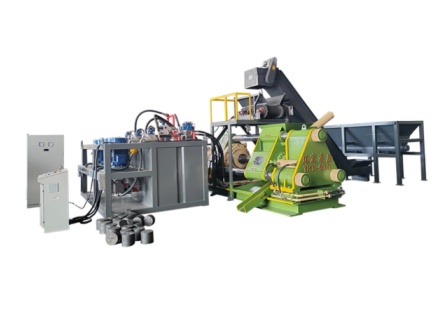
Metal chip briquetting is an essential process for scrap metal recycling, offering an efficient way to turn metal waste into compact, manageable briquettes. This process reduces the volume of metal waste, making storage and transportation more efficient, while also offering a more eco-friendly method of disposal. However, like any manufacturing process, metal chips briquetting presents a few challenges. These challenges can hinder the overall efficiency of the briquetting machine, impacting both the production process and the quality of the end product.
At Jiangsu Huanhong Hydraulic Co., Ltd., we understand the importance of addressing these common problems and have developed solutions through our innovative horizontal hydraulic metal chip briquetting machines. In this article, we’ll explore the most common problems encountered in metal chip briquetting and how our horizontal hydraulic machines effectively solve these issues, improving productivity, reducing waste, and ensuring the final briquettes meet the desired quality standards.
1. Problem: Inconsistent Briquette Density
Achieving consistent briquette density is one of the most significant challenges in the metal chip briquetting process. The importance of this consistency cannot be overstated, as it directly impacts the strength and durability of the briquettes. Briquettes with inconsistent density are often weaker and more fragile, which makes them prone to breakage during handling, storage, or transportation. The underlying cause of this problem lies in the variation in the metal chips themselves—different sizes, shapes, moisture content, and material types can lead to uneven compression and, ultimately, inconsistent briquette quality. Furthermore, inconsistent pressure application during the briquetting process exacerbates this issue, making it even harder to produce high-quality briquettes consistently.
How Horizontal Hydraulic Briquetting Machines Solve This:
Horizontal hydraulic briquetting machines are engineered to solve the problem of inconsistent briquette density by offering precise control over the pressure and force applied during the briquetting process. These machines use hydraulic pressure to compact the metal chips evenly, ensuring that each briquette has a uniform density. The horizontal orientation of the machine ensures a more consistent pressure distribution across the entire surface of the briquette. This is a crucial advantage because it reduces the likelihood of creating weak spots within the briquette that are prone to breakage.
The hydraulic system, which is adjustable, enables the operator to tailor the pressure to suit the type of metal chips being processed. By applying the right amount of force, the machine compacts the chips more efficiently, leading to stronger briquettes that are more resistant to damage. The result is consistent briquettes in terms of both size and quality, which improves handling, transportation, and storage.
Additionally, consistent briquette density helps reduce waste. Since the briquettes are compacted more efficiently, the metal chips are used to their maximum potential, ensuring that minimal material is lost in the briquetting process. This not only enhances product quality but also makes the briquetting operation more cost-effective by reducing the need for reprocessing or discarding improperly formed briquettes.
2. Problem: Clogging and Jamming
Clogging and jamming are common problems that occur when fine metal particles or oily chips are fed into the briquetting machine. These issues typically arise in the compaction chamber, where blockages prevent the smooth flow of material. When the chips are not properly fed into the machine or the pressure is not applied uniformly, these jams can result in costly downtime, increased maintenance needs, and a significant decrease in production efficiency. Jamming is not only disruptive but also time-consuming, as it requires manual intervention to clear the blockages and get the machine back to operation.
How Horizontal Hydraulic Briquetting Machines Solve This:
Horizontal hydraulic briquetting machines are specifically designed with efficient and robust feeding systems that handle a wide range of metal chip types, including fine, oily, or moist chips. These machines are equipped with advanced feeding mechanisms that ensure the metal chips are fed smoothly and evenly into the compaction chamber, reducing the risk of clogging or jamming. By effectively managing chip flow, the machine helps prevent material buildup in the feed area.
The hydraulic system in these machines provides consistent and steady pressure, which ensures that the metal chips are compacted evenly without causing blockages. The uniform application of pressure reduces the chances of jams, as it prevents uneven compaction, which can otherwise cause material to back up and clog the machine. The efficiency of this hydraulic system significantly reduces downtime, keeping production running smoothly and avoiding costly delays.
Moreover, horizontal hydraulic briquetting machines are designed to minimize the need for frequent maintenance. By preventing clogging and jamming, these machines improve operational uptime and reduce the amount of labor required to maintain the system. This means that factories can increase their production rates and lower their overall operational costs, making the briquetting process more efficient and profitable.
3. Problem: Inefficient Use of Space
Traditional vertical briquetting machines often take up a considerable amount of space in the factory. These machines can be bulky and cumbersome, which makes them less ideal for smaller workshops or factories with limited floor space. Additionally, vertical machines are often designed in a way that leads to inefficient use of the available space. The complex setup, along with the need for additional equipment, results in a cluttered work area, which can slow down the overall production process.
How Horizontal Hydraulic Briquetting Machines Solve This:
One of the key advantages of horizontal hydraulic briquetting machines is their compact and space-efficient design. The horizontal layout allows for better utilization of floor space, making them an excellent option for smaller factories or those with limited room for large equipment. The space-saving design not only reduces the footprint of the machine but also allows for easier integration into existing production lines, minimizing disruption to the overall workflow.
4. Problem: High Energy Consumption
Energy consumption is always a consideration in manufacturing, and briquetting machines are no exception. Traditional machines often consume large amounts of power, which can increase operating costs and reduce overall energy efficiency. Excessive energy use can also lead to unnecessary wear and tear on the machine, resulting in higher maintenance costs over time.
How Horizontal Hydraulic Briquetting Machines Solve This:
Horizontal hydraulic briquetting machines are engineered with energy efficiency in mind. The hydraulic system allows for better energy control, requiring less power to achieve the same level of compression. By using hydraulic pressure to perform the compaction process, the machine can reduce energy consumption without sacrificing performance. This results in lower operational costs, less wear on the machine, and a more environmentally-friendly operation overall.
Challenges in Metal Chip Briquetting and Solutions
Problem | Impact on Briquetting Process | How Horizontal Hydraulic Briquetting Machines Solve It |
Inconsistent Briquette Density | Leads to weak, fragile briquettes, prone to breakage during handling or transport. | Provides precise control over pressure and force, ensuring uniform briquette density, which improves strength and reduces waste. |
Clogging and Jamming | Blockages in the compaction chamber cause downtime, maintenance needs, and decreased efficiency. | Features an efficient feeding system that handles a variety of metal chips, including fine and oily ones, reducing clogging and jams. |
Inefficient Use of Space | Traditional vertical machines can take up too much floor space, complicating workflows. | Horizontal design optimizes space usage, reduces machine footprint, and integrates seamlessly into production lines. |
High Energy Consumption | Increased operational costs and machine wear. | Designed for energy efficiency, using less power for the same compression level, which reduces energy costs and machine wear. |
Conclusion
At Jiangsu Huanhong Hydraulic Co., Ltd., we are committed to providing innovative solutions that address the common problems faced in the metal chip briquetting industry. Our horizontal hydraulic metal chip briquetting machines offer precise pressure control, space efficiency, and energy savings, all while delivering consistent and high-quality briquettes. These machines not only solve key production challenges but also improve overall productivity and reduce costs, making them an essential tool for any metal recycling facility.
For more information about our horizontal hydraulic metal chip briquetting machines and how they can benefit your business, we invite you to contact Jiangsu Huanhong Hydraulic Co., Ltd. We are happy to discuss your specific needs and provide you with tailored solutions to optimize your briquetting process.
FAQ Section
Q1: What types of metal chips can be processed by a horizontal hydraulic briquetting machine?
A1: Horizontal hydraulic briquetting machines can process a wide range of metal chips, including ferrous and non-ferrous metals, such as aluminum, steel, copper, and brass. They are suitable for both dry and oily chips.
Q2: How does the hydraulic system improve the briquetting process?
A2: The hydraulic system ensures precise pressure control, which results in consistent briquette density and quality. It also allows for better energy efficiency and reduces the risk of clogging or jamming.
Q3: What are the benefits of using a horizontal design over a vertical briquetting machine?
A3: The horizontal design optimizes space usage, reduces machine footprint, and integrates more seamlessly into production lines. It also offers more even pressure distribution during compaction.
Q4: How do I maintain my horizontal hydraulic briquetting machine?
A4: Regular maintenance includes cleaning the feeding system, inspecting hydraulic pressure, checking for wear on parts like the ram and die, and ensuring the machine is properly lubricated to keep it running smoothly.


